
If you are heading out on the water between November and March, knowing what to wear sailing in winter UK conditions is the difference between a great day and a miserable one. The Solent can be spectacular in winter. Clear light, fewer boats, honest winds. But it can also hit you with freezing spray, gusty conditions, and wind chill that drops the effective temperature well below zero.
There is a reason experienced sailors treat winter gear as seriously as they treat their navigation kit. Get the clothing wrong and you spend the day shivering instead of learning. Get it right and winter sailing is some of the best sailing there is.
This guide covers exactly what to wear sailing in winter UK, from the skin out. Base layers, mid layers, outer shell, extremities, what to avoid, and a full packing checklist. It is based on years of running RYA courses through British winters, and the gear choices come from what actually works on the water, not what looks good in a catalogue.
Why layering matters for winter sailing

The UK winter sailing environment is deceptive. Air temperatures in the Solent range from -5°C to 10°C, but wind chill at 20 knots drops the apparent temperature by another 10 to 15 degrees. Add spray or rain and you are effectively standing in moving cold water. Your body loses heat about 25 times faster in water than in air of the same temperature. Mastering what to wear sailing in winter UK starts with understanding why layering works. That is why what to wear sailing in winter UK is not just a comfort question. It is a safety one.
The solution is the three layer system. It is not complicated, but it matters which materials you choose for each layer. The base layer wicks moisture away from your skin. The mid layer traps warm air. The outer layer blocks wind and water. Each depends on the others. A good waterproof jacket is useless if you are sweating into a cotton t-shirt underneath.
Most beginners either overdress (thick jumper under a non-breathable jacket, then sweat and freeze) or underdress (jeans and a hoodie). Neither works. What you actually need is thin, technical layers that work together. The sections below break down each one.
Base layers: the foundation
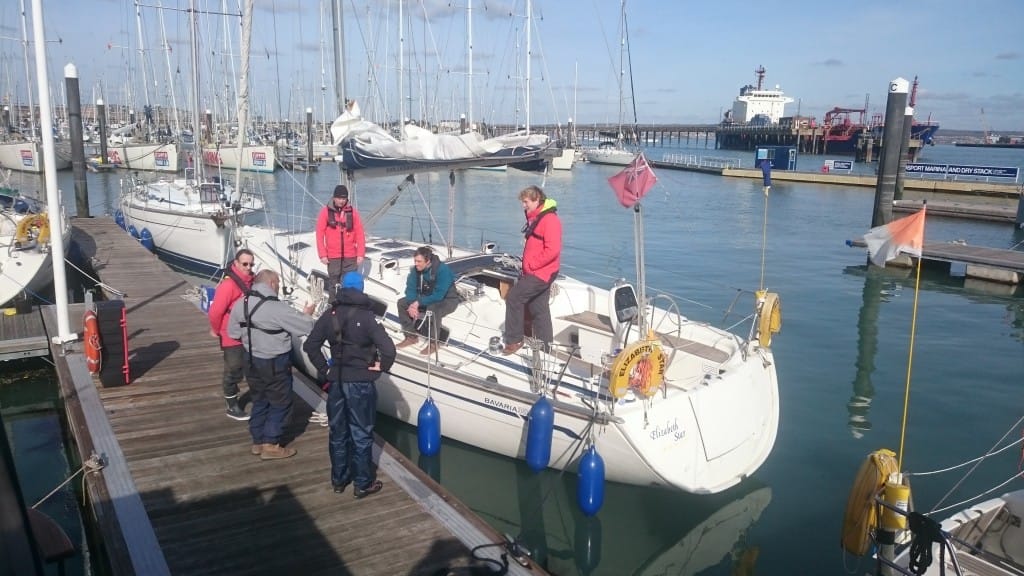
The base layer sits against your skin. Its job is not to keep you warm by itself. It is to move sweat away from your body so you stay dry. If the layer against your skin stays wet, every layer above it loses insulating value.
For what to wear sailing in winter UK, merino wool is the best choice. It wicks well, resists odour (useful on multi day passages), and retains insulating properties even when damp. A 150 to 200 gsm merino top costs around £40 to £80. Helly Hansen makes a solid mid-weight merino crew at about £65. Icebreaker and Ortovox are pricier but last longer. For budget options, the Helly Hansen Lifa series is synthetic but effective at roughly £25 to £40.
Never wear cotton as a base layer. Even in the gym, a wet cotton t-shirt is cold. On a boat in winter, it can be dangerous. When cotton gets wet it stays wet, and the evaporative cooling pulls heat from your body fast. This is the single most common mistake I see beginners make when figuring out what to wear sailing in winter UK.
For bottoms, merino leggings or synthetic thermal tights work well. Helly Hansen Lifa bottoms are around £35. Merino options from Icebreaker or Odlo run £50 to £80. You do not always need them for a 4 hour day sail, but if you are on a long passage or spending time on deck, they make a real difference.
Mid layers: staying warm when wet
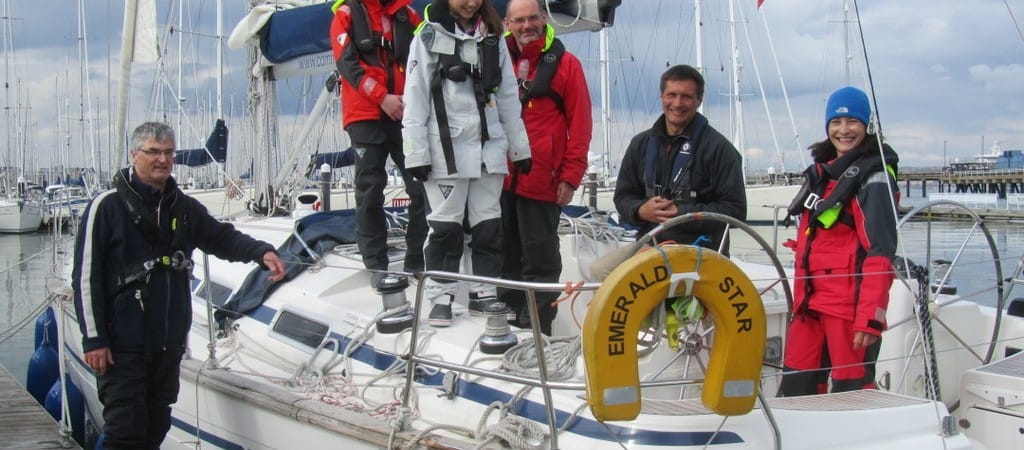
The mid layer traps heat. It needs to be breathable enough to pass moisture from the base layer through to the outer shell, but thick enough to hold a decent pocket of warm air.
For what to wear sailing in winter UK, a mid weight fleece is the standard. Polartec fleece or similar microfleece at 200 to 300 gsm is ideal. Musto, Gill, and Henri Lloyd all make sailing-specific mid layers with cut that works under a waterproof jacket. Prices range from £40 for a basic Gill fleece to £120 for a Musto BR1 mid layer with wind-resistant panels.
A thick fleece hoody from Zhik or Henri Lloyd works well if you are going to be on deck for long periods. These have hoods designed to fit under a sailing jacket hood, which keeps the neck sealed without restricting head movement.
The mistake to avoid here is the big woolly jumper. An ordinary thick jumper traps warm air, sure, but it also soaks up water and takes forever to dry. Once it is wet, it weighs a ton and stops insulating. Technical fleeces dry in minutes and keep working when damp. That difference alone is why experienced winter sailors in the UK reach for fleece over fashion.
A lightweight insulated gilet (bodywarmer) is worth adding on borderline days. Musto and Gill do ones around £60 to £90. They keep your core warm without restricting arm movement for winching and helm work.
Outer layers: waterproof and windproof protection
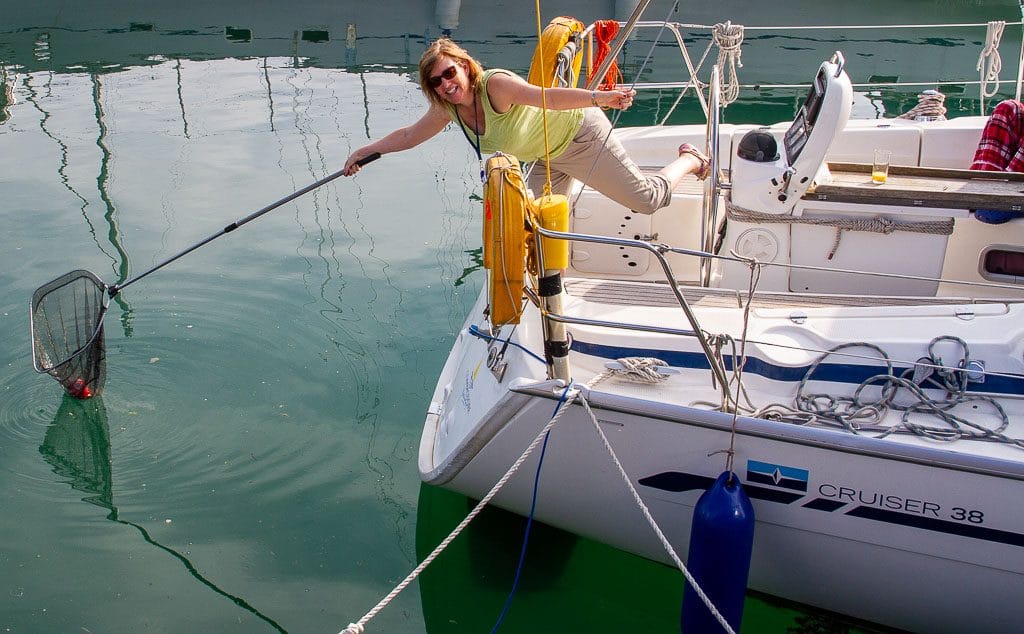
The outer layer is your shield. It stops wind and water reaching the warm layers underneath, and it needs to let sweat vapour escape at the same time. This is where cheaper gear really shows its limits.
For anyone wondering what to wear sailing in winter UK, the outer layer is your most important investment. For what to wear sailing in winter UK, you want a proper sailing jacket with a breathable waterproof membrane. Musto BR1 is the industry standard, with £150 to £400 for a jacket depending on the spec. Henri Lloyd Offshore or Gill Pro are similar quality for similar money. The key thing is that the jacket has a neoprene inner cuff, a high collar, and a properly designed hood that fits over a hat and turns with your head.
Do not use a hiking or ski jacket. The hoods are designed for walking, not sitting at a helm facing the wind, and they tend to funnel spray down your neck at the worst moments.
Sailing trousers need to be fully waterproof with reinforced knees and seat. Salopettes (trousers with a high front) keep water out better than waist trousers because there is no gap around your midriff. Musto BR1 salopettes cost £150 to £250. Gill makes a good pair near £180. Zhik does an innovative front-entry design that avoids the usual bib fastener struggle.
Cheap waterproofs are a false economy. A £50 set from a supermarket will wet through in 20 minutes of spray at 15 knots. You do not need to spend £1,000 on a full offshore set, but buy from a sailing brand and expect to pay £250 to £600 for a jacket and trousers that will last multiple seasons. That is the real cost of getting what to wear sailing in winter UK right.
Feet, hands, and extremities

Your body prioritises keeping your core warm and reduces blood flow to hands and feet when it gets cold. That means your fingers and toes suffer first, even when the rest of you is fine. Your hands and feet need as much thought as your core when planning what to wear sailing in winter UK. Getting what to wear sailing in winter UK right means paying proper attention to the extremities.
For feet, deck boots are the answer. Dubarry of Ireland makes the classic sailing boot, the Ultima or Galway, at about £200 to £300. They have a non marking sole, good grip on wet decks, full waterproofing, and a side zip so you can get them on and off. Gill deck boots are around £110 and work well at the lower end. Musto deck boots sit between at roughly £160.
Never wear wellies. Wellington boots have no grip, no ankle support, and the soles can damage deck surfaces. In the water, they fill up and drag badly. If that is all you have, wear them on the dock and change before boarding.
For hands, one thin liner glove under a waterproof sailing mitten is the best setup. The liner wicks sweat, the mitten keeps water off. Musto and Gill do liner gloves at £20 to £40. Waterproof sailing mittens run £40 to £70. For fine work like tying knots or using electronics, Zhik makes a neoprene glove with textured palms that lets you keep gloves on when you would normally take them off.
In cold weather, chemical hand warmers (Hot Hands or similar) shoved inside mittens are a game changer. A pack of 10 is about £5 and they last 6 to 8 hours. Cheap, simple, worth having.
Head and neck protection
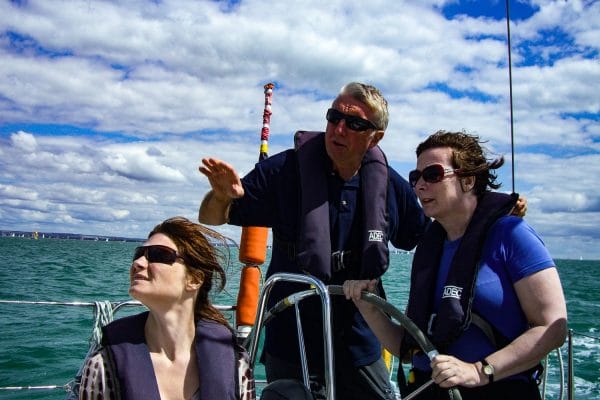
You lose a big percentage of body heat through your head. In cold conditions, a good hat and neck protection is as important as a good jacket.
Do not overlook the head when planning what to wear sailing in winter UK. For what to wear sailing in winter UK, a beanie made from merino wool or a synthetic fleece is the standard. Musto, Henri Lloyd, and Zhik all make sailing-specific beanies around £15 to £30. The key detail is a close fit that stays on in wind, because losing your hat over the side on a 20 knot day means a cold 30 seconds followed by a colder hour.
A neck gaiter or buff is better than a scarf. Scarves can catch in winches or sheet blocks, which is genuinely dangerous. A merino buff pulled up over the chin and cheeks seals your collar and stops cold air dropping down your chest. They cost £10 to £25 and pack down to nothing. I always carry two on winter passages, one gets damp and the other stays dry.
Some sailors use a balaclava or face mask in extreme cold. Henri Lloyd and Musto do neoprene face masks around £20. These are overkill for most days but worth having if you are spending hours at the helm in sustained cold.
What not to wear sailing in winter
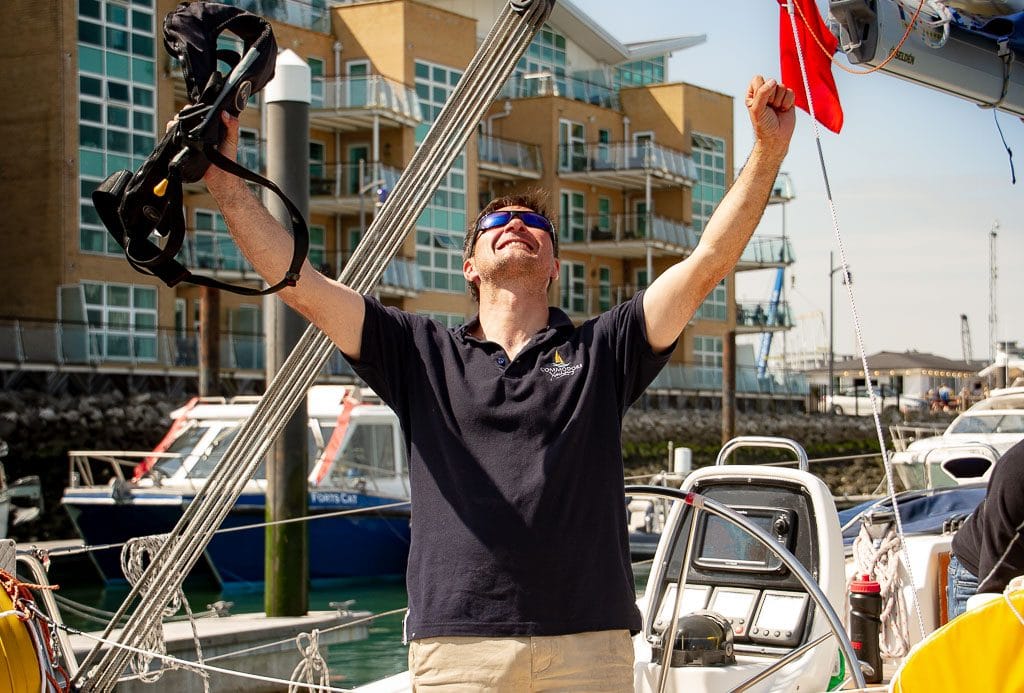
Some things come up again and again with beginners, and they are almost always wrong. Here is what to avoid when deciding what to wear sailing in winter UK.
Cotton in any layer. Jeans, cotton t-shirts, cotton hoodies. Every single one. Cotton absorbs water, holds it against your skin, and accelerates heat loss. If you are wearing jeans on a sailing boat in winter, fix that before you step on deck.
Down jackets. Goose down is fantastic when dry and useless when wet. A down jacket that gets hit by spray clumps up, loses all insulation, and takes days to dry. Synthetic insulation (Primaloft, Climashield) works almost as well and keeps working when damp. For anyone asking what to wear sailing in winter UK, down is not the answer.
Rubber boots (wellies). Already covered above. No grip, no support, dangerous on a wet deck.
Regular outdoor waterproofs. A walking jacket is not a sailing jacket. It lacks the reinforced cuffs, high collar, spray-proof front zip, and pocket placement that sailing demands. You will end up with cold wrists, a wet waist, and nowhere to keep your phone dry.
Too many layers. Two thin base layers under a fleece under a jacket is worse than one base layer, a good fleece, and a jacket. Each extra layer compresses the ones below it and reduces trapped air. Bulky arms also limit movement, which matters when you are grinding a winch or reaching for a halyard.
Jewellery. Rings, watches with metal straps, dangling earrings. They catch on lines and sheets, and if you fall in, a ring catching a rope is a real injury risk. Leave them ashore.
Complete packing checklist

Print this or save it before you pack for any winter sail. This checklist covers everything you need for what to wear sailing in winter UK.
- Merino wool or synthetic thermal top (base layer)
- Thermal leggings (optional but recommended for long days)
- Mid weight fleece (Polartec or similar, 200-300gsm)
- Breathable waterproof sailing jacket with high collar and neoprene cuffs
- Waterproof sailing salopettes or trousers (reinforced seat and knees)
- Deck boots (Dubarry, Gill, or Musto) with non marking soles
- Liner gloves + waterproof sailing mittens
- Chemical hand warmers (one pack)
- Merino beanie or synthetic fleece hat
- Neck gaiter or merino buff (bring two)
- Spare mid layer (in a dry bag)
- Spare socks (in a dry bag)
- UV sunglasses (winter sun low on the water is blinding)
- Sunscreen (yes, even in winter, the reflection off water burns)
- Dry bag for everything not on your body
Safety considerations for winter sailing
Understanding what to wear sailing in winter UK is one part of a bigger safety picture. Getting what to wear sailing in winter UK right is part of a bigger safety picture. Cold water and limited daylight hours make winter sailing less forgiving of mistakes.
Check the Met Office seasonal advice before you leave. The Solent can go from 15 knots to 35 in an afternoon, and winter gales arrive faster than summer ones. Know the forecast, and have a backup plan for the wind window.
Wear a life jacket at all times on deck. All of our RYA courses provide fully serviced, automatically inflating life jackets with spray hoods and lights. In winter water temperatures (4-8°C in the Solent), cold water shock is a real risk if you go in. A life jacket with a spray hood keeps your airway clear and buys you critical time for rescue.
The RNLI sailing safety guide covers cold water shock, float to live techniques, and the importance of letting someone ashore know your passage plan. Read it before your first winter sail.
Clip on with a safety harness when moving around on deck in rough conditions. Our yachts are fitted with jackstays for exactly this reason. Between November and February, the Solent has around 8 hours of daylight. A night time MOB (man overboard) in winter conditions is as serious as it gets, so the usual boat safety gear matters more in winter, not less.
Keep a grab bag by the companionway with spare hat, gloves, a foil blanket, and a head torch. If you need it, you will be glad of it.
Frequently asked questions
Do I need to buy all this gear before my first sailing course?
No. For a first course, you can get by with base layer, fleece, a decent waterproof jacket, deck shoes or boots, and a hat and gloves. The rest you can build up as you sail more. If you are joining us for an RYA sailing course, we will advise on what you specifically need before you arrive. But knowing what to wear sailing in winter UK before you come saves time and makes the first day more comfortable.
What is the minimum budget for winter sailing clothing?
Around £250 to £400 is the real cost of getting what to wear sailing in winter UK right at a basic level. That means a synthetic base layer (£30), fleece (£40), budget sailing jacket and trousers (£150 total), deck boots (£110), hat (£15), gloves (£30), and a buff (£10). You can spend more, and the expensive gear lasts longer, but this is the minimum that works.
Is it worth buying Musto or Gill, or can I use cheaper brands?
For outer layers, buying from a sailing brand matters. When you research what to wear sailing in winter UK, the outer layer is where sailing-specific design really counts. The waterproofing, cut, and details (cuffs, collars, pockets) are designed for on-water use. For base and mid layers, cheaper technical gear from any outdoor brand works fine as long as it is not cotton. The key is the shell layer, that is where the sailing-specific design really counts.
Can I wear a ski jacket for winter sailing?
Not really. Ski jackets are designed for cold dry conditions at altitude. They are not built to handle persistent spray and they lack the specific features (spray proof front zip, drainage, neoprene cuffs, harness access) that sailing demands. A ski jacket will work on a calm day but will let you down in serious conditions. For proper what to wear sailing in winter UK advice, stick with sailing gear.
How should I store wet gear between sailing days?
Rinse waterproofs with fresh water after each trip (salt degrades the membrane). Hang them inside out somewhere ventilated. Never put sailing gear in a tumble dryer unless the manufacturer specifies it. Base layers and fleeces can be machine washed on a gentle cycle. Tech wash from Nikwax or Grangers extends the life of breathable fabrics.
What temperature is too cold for winter sailing in the UK?
In practice, most RYA training centres including Commodore Yachting run courses year round as long as the wind is under Force 7 and there is no ice on the deck. If the air temperature is -5°C and you have the right gear, you can sail comfortably. That is what makes understanding what to wear sailing in winter UK so valuable. If you do not have the right gear, 5°C is dangerous. It is more about what you are wearing than the number on the thermometer.
Does the same clothing work for Mediterranean winter sailing?
Not exactly. Mediterranean winters are less humid but the air temperature can drop lower overnight. The same layering system applies, but you may need a warmer mid layer and less waterproofing if spray is not a factor. For UK specific conditions, the setup above is right.
Getting what to wear sailing in winter UK right transforms the experience from bearable to brilliant. That is our complete guide to what to wear sailing in winter UK. The gear matters, the layering logic matters more, and knowing what not to wear saves you from the most common beginner mistakes.
If you want to put this advice into practice, check our course calendar for winter RYA courses running through the season. And if you have already done a course, our guide to 10 essentials for sailing covers the year round gear that every sailor should carry.
This guide was written by Tom and Jonno, RYA Yachtmaster Instructors and joint owners of Commodore Yachting.


