
At Commodore Yachting, our fleet of Bavaria yachts sails year-round from Gosport Marina. Our boat maintenance Solent program runs continuously, through winter storms and summer charter seasons alike. While students see polished decks and reliable engines, most of the real work happens behind the scenes , in the engine bay, up the mast, and on the hard standing. This is what boat maintenance Solent looks like when you run nine yachts through one of the busiest tidal sailing areas on the UK south coast.
Why fleet maintenance matters for training

When students book an RYA course with us, they place their safety in our hands. Every engine start, every sail hoist, every navigation instrument needs to work without hesitation. Our boat maintenance Solent schedule is designed around that trust. A well-maintained fleet means our instructors focus on teaching rather than troubleshooting. It means a Day Skipper student can practice man overboard drills knowing the engine will restart. It means a Competent Crew course is not interrupted by a failed toilet pump or a seized winch.
The fleet is all Bavaria yachts , 37s, 38s, and our 44-footer , and each has its own maintenance log book. The regime is consistent across all of them: systematic, documented, and thorough. That consistency matters because the Solent is tidal, busy, and the weather can change in under an hour. A breakdown here is not just inconvenient, it can be dangerous. That is why our boat maintenance Solent approach is preventative, not reactive. We do not wait for things to break.
Winter refit season: the big jobs
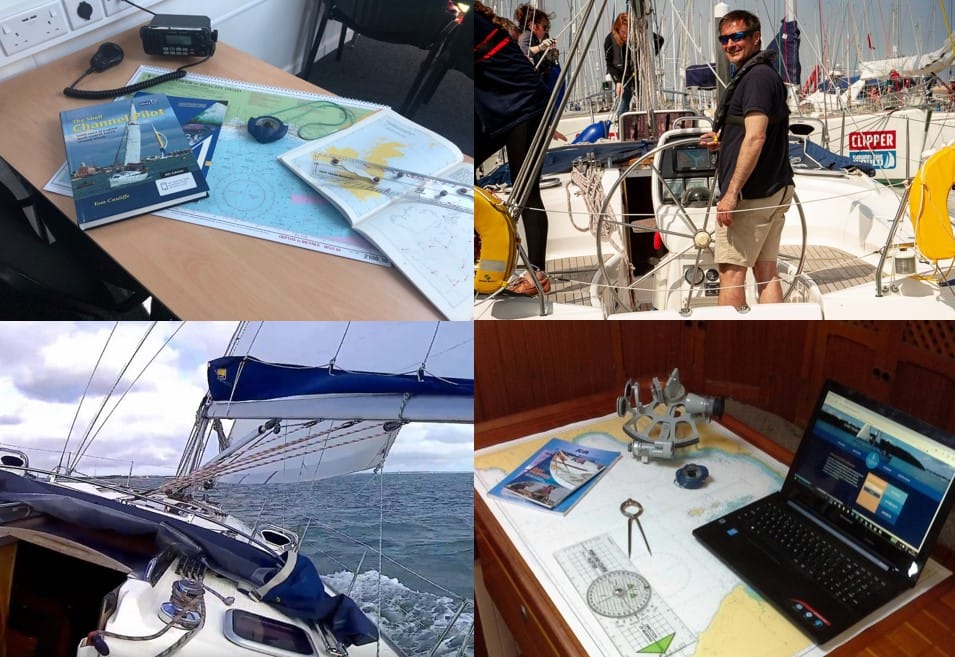
Winter is when the serious work happens. Between October and March, each of our yachts comes out of the water for a full refit cycle. The boat maintenance Solent winter programme is the backbone of our reliability. Engines get pulled for major service. Keel bolts get checked and re-torqued. Seacocks are stripped and rebuilt.
Our workshop is at Haslar Marina, and the team works through the coldest months to have every yacht ready by April. Last winter alone we replaced the full engine and gearbox on Mayan Star with a new Volvo Penta D1-30 , a job our engineers completed in a single day. That level of work is normal during our winter refit, not exceptional. We documented that job in detail on our Mayan Star engine replacement post.
Each yacht gets new anodes, fresh antifouling, and a complete systems check before returning to the water. Standing rigging is inspected. Electronics are tested. Every through-hull fitting is checked. The RYA sets standards for training vessels, and we exceed those standards across every yacht in the fleet. That is non-negotiable.
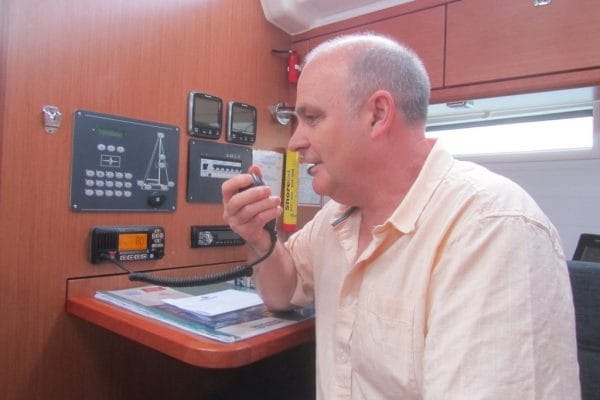
Beyond the engine and structure work, every winter refit includes a full electronics audit. Chart plotters get software updates. VHF radios are tested for DSC functionality. Autopilots are calibrated and sea-trialed. We replaced the entire instrument display suite on two of our 38-footers last winter, upgrading to B&G Zeus plotters with wireless wind sensors. The boat maintenance Solent electronics checks are thorough because students rely on these instruments for navigation training. A dodgy wind reading or a GPS dropout is more than an inconvenience during an exam.
Engine servicing and diesel engine care
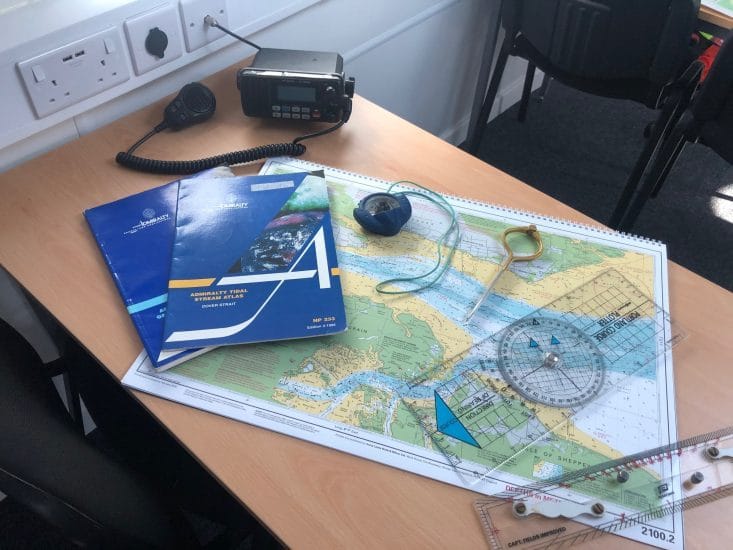
Diesel engines are the heart of any charter yacht. Our fleet runs Volvo Penta units , mainly D1-30s and D2-40s , and we treat them with the care those engines deserve. Every 100 hours or annually, each engine gets an oil and filter change. We use marine-grade 15W-40 diesel oil and genuine Volvo Penta filters. The raw-water impeller is replaced annually without fail. A failed impeller can overheat an engine in under two minutes, so we carry spares on every yacht.
Our boat maintenance Solent engine protocol includes weekly checks of coolant level, oil level, belt tension, and the seawater strainer. These checks take ten minutes per yacht and catch most problems before they develop. Fuel is another area we watch closely. Diesel bug is a real problem in Solent waters, where temperature swings create condensation inside fuel tanks. We treat every fill with biocide and change primary and secondary fuel filters on a strict schedule. Our diesel bug prevention guide covers the full details, but the short version is this: keep water out, keep fuel moving, and change filters before they clog. The boat maintenance Solent fleet burns through hundreds of litres of diesel each season, and our fuel management means we have not had a fuel-related breakdown in over three years.
Winterisation is a separate but equally important engine procedure. Every October, each engine gets its coolant checked for correct antifreeze protection, the seawater system is flushed with fresh water, and fogging oil is sprayed into the air intake to protect the cylinders during the lay-up period. The raw-water pump is removed, inspected, and stored dry. Intake hoses are disconnected and drained. When spring comes, the recommissioning process reverses each step methodically. This level of care is why our Volvo Penta engines consistently reach their scheduled overhaul intervals without premature wear.
Sail, rigging, and canvas maintenance
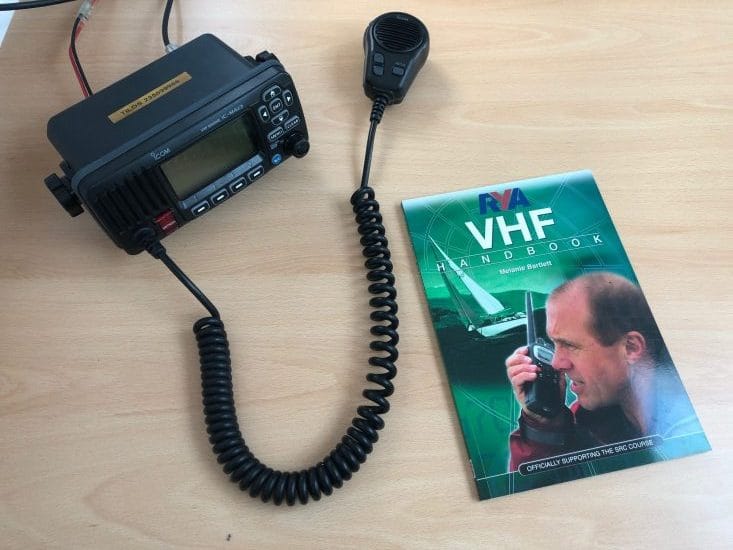
Sails take a beating in the Solent. The combination of strong tides, shifty winds, and near-constant use means we replace running rigging every two to three years. Standing rigging gets inspected annually and replaced on a ten-year schedule. We work with Hyde Sails for mainsail and headsail replacements. They know Solent conditions and build accordingly.
Our boat maintenance Solent canvas programme covers sprayhoods, sail bags, and cockpit cushions. Tecsew in Gosport handles our canvas work, and they overhaul at least two sprayhoods each winter. Stack-pack systems get checked for wear at zip points and batten pockets. We inspect every reefing line, halyard, and sheet before each season. Lines are marked with coloured whipping thread at regular intervals so the crew can spot wear before a line fails. Our yacht charter guests expect every piece of equipment to work first time. That means replacing sails before they look tired, not after the first tear.
Mast maintenance is a job we tackle every winter. We step the mast, inspect every sheave, check all mast fittings, and replace any worn electrical conduit inside the mast tube. The standing rigging gets a thorough going-over with a magnifying glass at every terminal end. Our rigger looks for the telltale signs of fatigue: hairline cracks at swage terminals, discolouration at wire entry points, and distortion around toggle pins. We photograph every terminal and keep the images on file for comparison year to year. It is slow work, but rigging failures at sea are not something you get a second chance with.
Antifouling and hull care

Every yacht in our fleet dries out on the hard standing at least once a year. The boat maintenance Solent antifouling schedule runs from November through March. Each hull gets pressure washed, flatted back, and given two fresh coats of copper-based eroding antifouling. This type performs well in Solent waters, where fouling pressure is high due to nutrient levels and water temperature.
Anodes are checked and replaced as needed. We use zinc anodes for the Solent’s brackish water. The prop shaft, rudder, and saildrive all have their own anodes, and we inspect them at every lift. Hull blisters are rare on our fleet but we watch for them during each haul-out. The boat maintenance Solent hull programme also includes a full topsides polish every spring. Our blue-hulled Bavaria yachts need to look the part when they pull into Yarmouth, Cowes, or Portsmouth Harbour.
Interior and systems upgrades
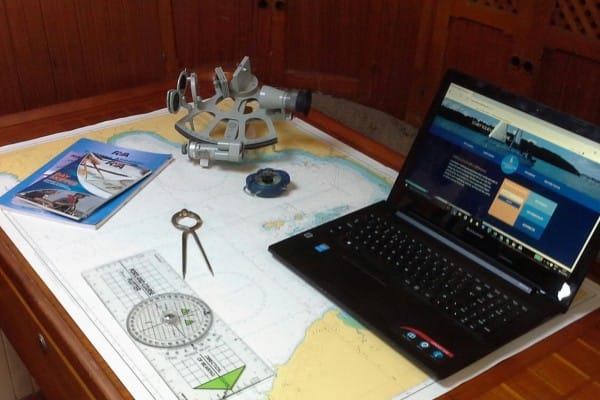
What students and charter guests see below deck matters as much as what is hidden in the engine bay. The boat maintenance Solent interior programme covers every system that makes a yacht comfortable and functional. Galley equipment, heads, showers, cabin lighting, USB charging points , all of it gets checked and replaced on a rolling cycle.
We upgraded the battery banks across the fleet last year, moving to AGM batteries for better cycling life and faster recharge times. Each yacht now has a modern battery charger and a monitoring system so the crew can track state of charge. The electrical systems get a full inspection every winter, including corrosion checks on every terminal and ground point. Plumbing is treated the same way. Fresh water systems are chlorinated annually. Head systems are stripped and serviced on rotation. Our boat maintenance Solent approach means we replace components on a schedule, not on failure. That is the difference between a professionally managed fleet and a private boat that gets fixed when something stops working.
Year-round maintenance schedule
The easiest way to understand our approach is to look at the calendar. The boat maintenance Solent schedule runs fifty-two weeks a year with four clear phases. Winter, from November to March, is the deep maintenance and refit window. Each yacht spends two to four weeks on the hard standing for the work described above.
Spring, April to May, is commissioning and sea trials. Every yacht gets a full-day shakedown sail before its first booking of the season. The engineers check everything under load , engine, sail handling, electronics, galley equipment. Nothing goes into service without a sign-off. Summer, June to September, is continuous preventative maintenance. The team rotates through each yacht on a two-week cycle for engine checks, bilge inspections, and system tests. Autumn, October, is decommissioning. Engines get winterised, water systems are drained, sails come off, and the yachts are prepped for the hard standing. Each phase has a written checklist and the team signs off every item.
Daily checks are the most visible part of the routine. Before every charter or course departure, the duty engineer walks the dock and checks each yacht’s engine oil, coolant level, belt condition, and fuel level. They check the bilge for any sign of fluid leaks. They test the engine start and run it up to operating temperature while checking the exhaust for proper water flow. These checks take fifteen minutes per yacht and catch the kind of problems that turn into breakdowns if ignored for a week. During peak season, with yachts departing every morning, the engineer covers the whole fleet before 8am.
In twenty-five years of operating, this schedule has kept our fleet running through some of the busiest Solent seasons on record. For anyone considering sailing courses with us, knowing the fleet is maintained to this standard is part of what makes the experience different. We train on the same yachts we charter, and we maintain all of them to the same specification.
Frequently asked questions
How often do you service the engines in your boat maintenance Solent programme?
Every 100 hours or annually, whichever comes first. We track engine hours electronically across the fleet and schedule services accordingly. Oil, filter, and impeller changes happen on schedule, not when someone remembers. Our boat maintenance Solent engine log records every service date and the engineer who signed it off.
What happens if a yacht develops a problem during a charter or course?
We have backup yachts available and a duty engineer on call throughout the season. If a problem can be fixed at the dock, the team does it immediately. If it needs workshop attention, we swap yachts and keep the day running. Our boat maintenance Solent contingency planning means guests rarely experience more than a short delay.
Do you use in-house engineers or external contractors?
Both. Our in-house team handles all routine maintenance and winter refit work. They know every yacht in the fleet and spot problems before they become emergencies. For specialist work , Volvo Penta warranty repairs, rigging replacements, electronics upgrades , we use approved contractors who know our fleet and our standards. The boat maintenance Solent setup means the right person handles every job.
How does solent-based training affect maintenance demands?
Training in the Solent is demanding. The fleet operates six or seven days a week during peak season. Tidal currents, commercial traffic, and naval vessel movements all add to the wear and tear on equipment. The boat maintenance Solent schedule is designed for these conditions, not for a weekend cruiser that sits in a marina between uses. It is more intensive, and intentionally so.
Which suppliers do you use for parts and materials?
Volvo Penta for engines and driveline components. Hyde Sails for mainsail and headsail replacements. Tecsew for canvas and sprayhoods. We use OEM parts wherever possible. The boat maintenance Solent fleet cannot afford substandard components, and the reliability record over twenty-five years speaks for itself.
This guide was written by Tom and Jonno, RYA Yachtmaster Instructors and joint owners of Commodore Yachting.


