
Most people meet our team in one context: standing at the helm of a Bavaria 38, showing someone how to tie a cleat hitch or read a chart plotter. But RYA instructors outside teaching are different people entirely. The instructor who ran your Day Skipper course last weekend might have been delivery skippering a 50-foot Beneteau across the Channel on Monday. The woman teaching you collision regulations on Thursday spent Wednesday racing around the cans in a J/109. The line between teaching and doing is thin here. Sometimes it disappears completely.
I think students pick up on this more than they let on. When you are learning to sail, you want to know the person teaching you actually does this stuff for real. You want confidence that their advice comes from experience, not just a lesson plan. That is the value of RYA instructors outside teaching who stay active on the water. They bring something into the classroom that no textbook can provide: lived knowledge.
This article is about the other lives our instructors lead. The delivery trips, the race starts, the engine bays, the personal passages. It matters because the quality of your training depends on who is delivering it. And the people who choose to teach sailing for a living are RYA instructors outside teaching who do a lot more than just teach.
RYA instructors are more than teachers
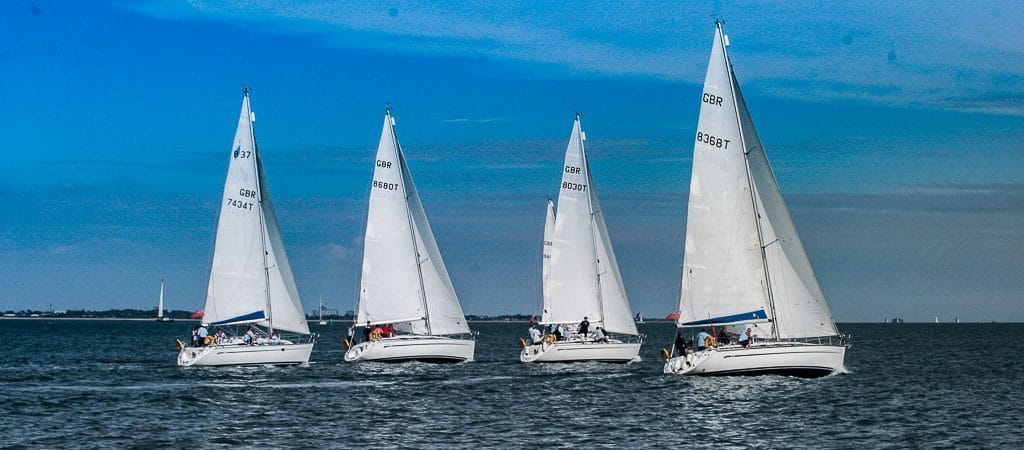
Walk through our yard on any given day and you will find instructors doing things that have nothing to do with lesson plans. Changing oil filters. Varnishing handrails. Plotting a passage to Cherbourg for a weekend charter. These are not side hobbies. They are the reason RYA instructors outside teaching bring something extra into the classroom that a career teacher cannot replicate.
The RYA qualification system asks instructors to maintain certain standards. Logged sea time. Updated first aid certificates. Regular professional development. But the instructors who work at Commodore Yachting tend to go further than the minimum. Many hold commercial endorsements. Some race at national level. A few have crossed oceans. The common thread is that none of them stop being sailors when they step off the training boat.
I think this matters more than most students realise. A textbook instructor can teach you the rules of the road. An instructor who has actually navigated the Solent in fog, who has parked a 45-foot boat in a 30-metre berth in 30 knots of wind, teaches you something different. They teach you judgment. And that judgment comes from RYA instructors outside teaching — from the hours they spend doing the same things you want to learn, just on their own time and their own dime.
The breadth of experience across our team is wider than most people assume. Between them our instructors have worked on superyachts, raced in offshore events, completed ocean crossings, managed charter fleets, and run boatyards. Every one of those experiences shapes how they teach. When you book a course with us, you are not just paying for someone to walk you through the syllabus. You are paying for decades of accumulated sea time, distilled into practical lessons.
Delivery skippering and commercial work
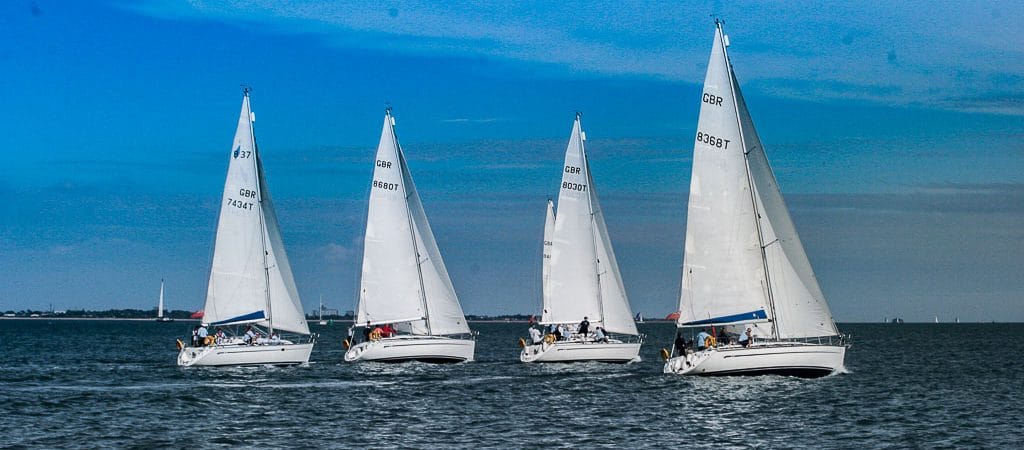
One of the most common things RYA instructors outside teaching do between courses is delivery skippering. A new owner buys a yacht in France and needs someone to sail it back to the UK. A charter company needs a boat moved from the Solent to the Med for the season. A yacht needs to be taken out of the water in Southampton and brought round to Gosport for winter storage. These are all jobs for experienced skippers, and our team does them regularly.
The delivery work is valuable precisely because it is unpredictable. Weather windows close. Engines fail halfway across the English Channel. Harbours silt up and the pilot book is three years out of date. When RYA instructors outside teaching handle these situations, they come back with stories, yes, but also with practical solutions that end up in their teaching. RYA instructors outside teaching learn as much from passages that go wrong as from ones that go right, and that learning lands directly in the classroom.
I remember one instructor telling me about a delivery from IJmuiden to Gosport. The autopilot died six hours in. The wind went light. He spent 18 hours hand-steering and arrived with a new understanding of what fatigue does to decision making at sea. He now teaches passage planning differently — not just how to draw a line on a chart, but how to anticipate what happens when things go wrong and you are running on adrenaline and caffeine. That is the kind of insight that comes from RYA instructors outside teaching doing real miles in real conditions.
Commercial skippering also means dealing with owners, guests, and agents. It means managing expectations, handling seasickness, explaining why the crossing is taking longer than forecast. These are soft skills that translate directly into the teaching environment. An instructor who can calm a nervous charter guest during a rough Solent crossing can calm a nervous student on their first Day Skipper course. The same techniques apply.
There is also the logistics side. Organising a delivery involves customs paperwork, insurance, weather routing, crew coordination, and contingency planning. Our RYA instructors outside teaching handle all of this as part of their commercial work. When they teach passage planning, they are drawing on real documents, real clearance procedures, real decisions about whether to leave or wait. That depth of experience makes their teaching practical rather than theoretical.
Yacht racing and competition
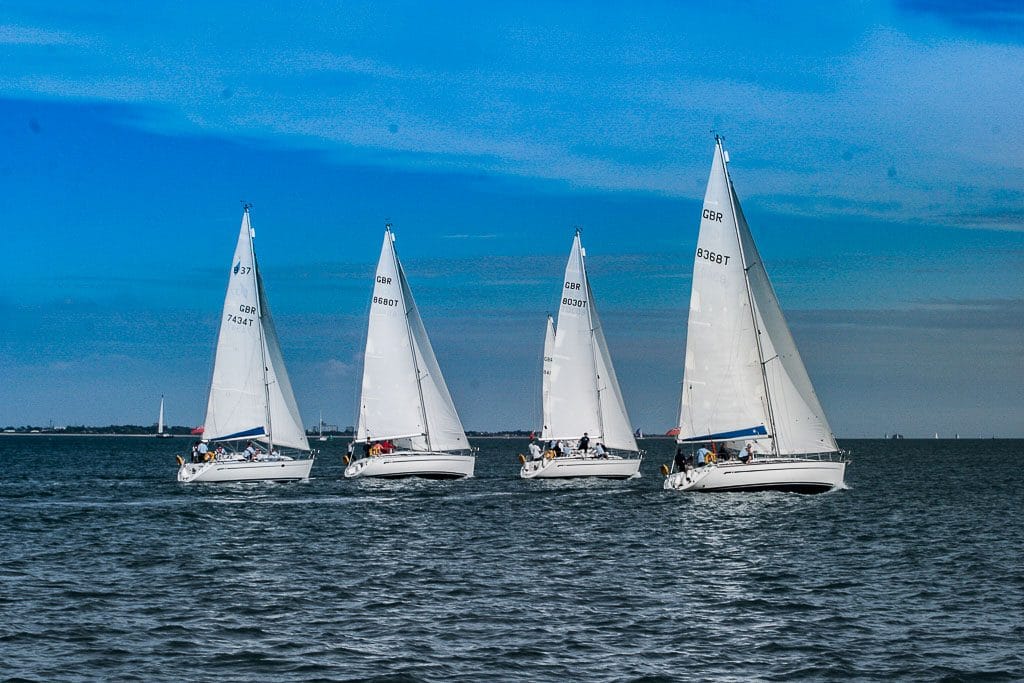
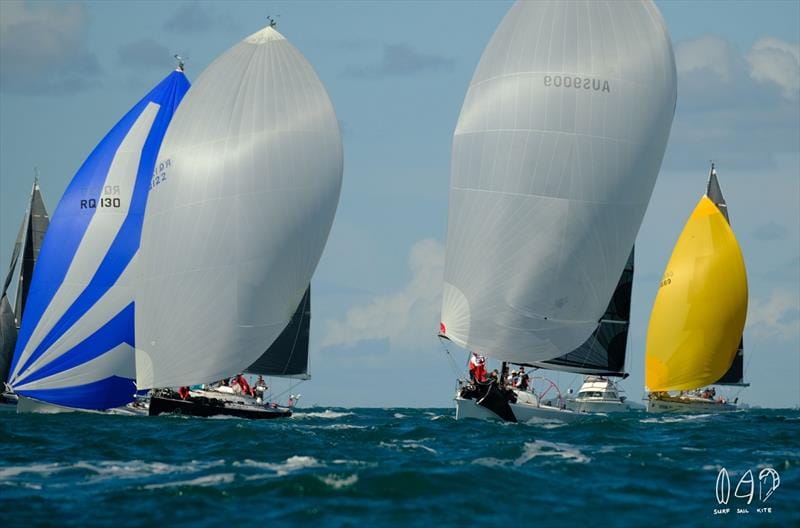
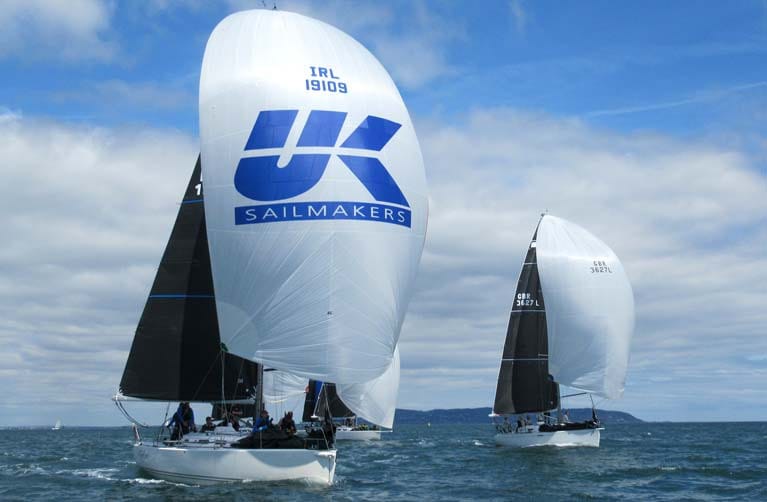
A surprising number of RYA instructors outside teaching race. Some are regular crew on local Solent boats. A few are professional race crew who fit their teaching schedule around regatta commitments. The racing mindset — constant decision making, reading wind shifts, trimming for every puff, anticipating the competition — sharpens skills that classroom hours cannot touch.
Racing teaches you to make decisions with incomplete information. You do not have time to check the almanac when the breeze shifts 20 degrees at a mark rounding in a 30-boat fleet. You feel it, react, and adjust. That instinctive feel for the boat is exactly what makes RYA instructors outside teaching effective when they step back onto a training yacht. They are not thinking about what the textbook says. They are reacting from muscle memory developed over hundreds of race starts.
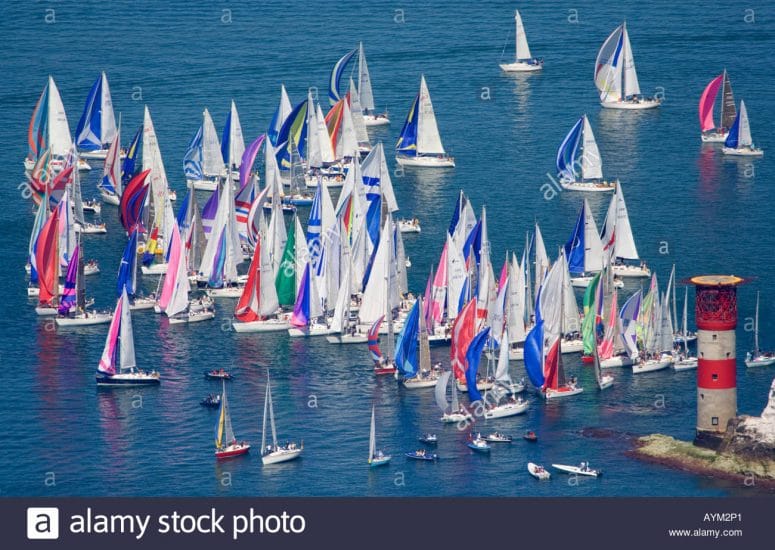
The Solent has one of the most active racing scenes in the UK. Round-the-cans racing on Wednesday evenings. Club regattas at weekends. Cowes Week in August. The Round the Island Race. The Vice-Admiral’s Cup. Our instructors are out there, on the water, competing. When they teach sail trim or mark rounding techniques, they are not repeating a textbook. They are explaining something they did last night, in the same stretch of water where you will take your exam.
I think there is also something about racing that keeps instructors grounded. You can teach Day Skipper courses for years and start to feel like you know everything there is to know. Then you line up on a start line with 40 other boats and get reminded very quickly that there is always more to learn. That humility makes RYA instructors outside teaching better at connecting with beginners. They remember what it feels like to be out of your depth, to make mistakes in front of people who are watching.
Racing also builds boat handling skills that are hard to develop any other way. Close-quarters manoeuvring in a crowded start sequence. Spinaker sets and drops in building breeze. Reefing under pressure while the boat next to you is doing the same thing 10 metres away. These are not exam skills, but they make someone a better all-round sailor. And that makes RYA instructors outside teaching more capable when unexpected situations arise during a course.
Boat maintenance and refit projects
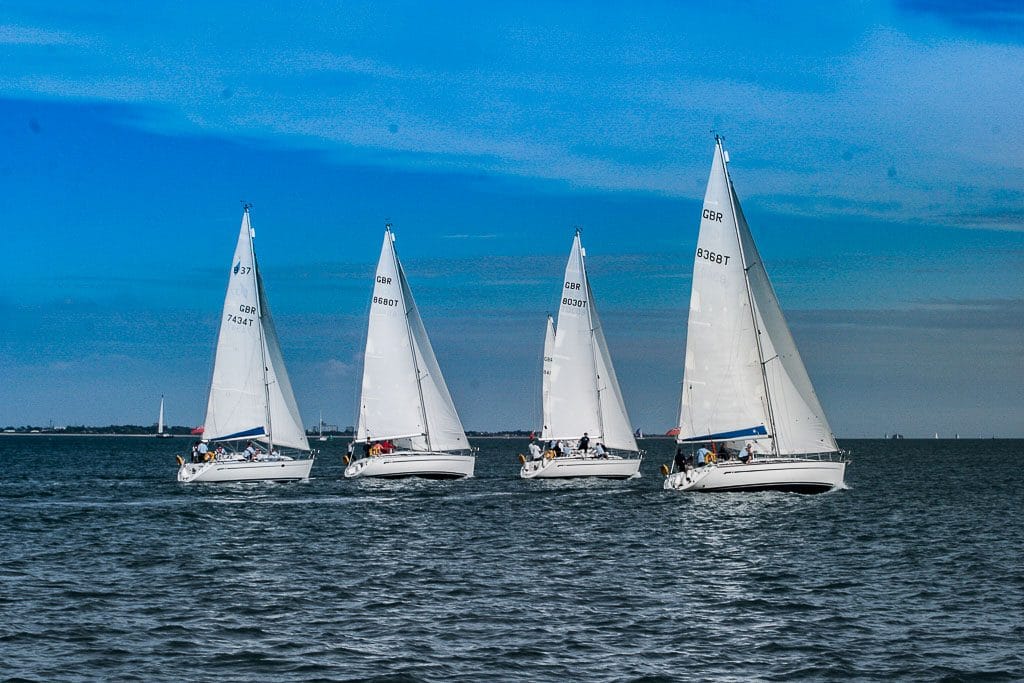
Go into the workshop on any given afternoon and you will find RYA instructors outside teaching knee-deep in a maintenance project. Servicing winches. Replacing seacocks. Rewiring navigation panels. Bleeding diesel injectors. Our fleet of nine Bavaria yachts needs constant attention, and RYA instructors outside teaching are hands-on with that work between courses. It is not delegated to a separate shore crew — they do it themselves.
This matters for teaching because a student who understands how a seacock works is less likely to panic when one starts leaking. A student who has seen an impeller replaced is better equipped to troubleshoot an overheating engine at 10pm on a delivery. RYA instructors outside teaching do not just tell students to check the raw water strainer — they have actually changed one at sea, in a swell, with the engine ticking over and nobody else to help.
Winter is when the serious projects happen. Each year we haul out several yachts for antifouling, replacing anodes, checking rudder bearings, and full engine servicing. Instructors work alongside our shore crew, getting their hands dirty in the cold and the rain. That hands-on knowledge changes how they teach. They can explain not just what a component does, but what it looks like when it fails, what tools you need to fix it, and how long it takes when the spare parts shop is closed for the weekend.
There is also the diagnostic side. Boats break in interesting ways. An engine that runs fine at idle but stalls under load. A depth sounder that works in shallow water but not deep. A bilge pump that runs intermittently. Troubleshooting these problems teaches a systematic approach that translates into every other area of sailing. When RYA instructors outside teaching share these diagnostic stories in class, they are teaching problem solving, not just boat maintenance.
Continuous professional development
The RYA requires instructors to keep their qualifications current, but the best RYA instructors outside teaching go well beyond the minimum CPD requirements. They attend industry seminars. They take advanced first aid courses. They update their commercial endorsements. Some are working toward Yachtmaster Ocean certification or RYA Powerboat Instructor qualifications. The learning never stops, and that is a good thing.
There is a misconception that once you qualify as an instructor, the learning stops and you just teach the same material on repeat. In practice, the opposite is true. Good instructors are always looking for ways to improve. The RYA training scheme itself evolves, and staying current means understanding new regulations, new equipment, new teaching methods, and new best practices that emerge from real world incidents.
RYA instructors outside teaching also pursue qualifications in adjacent areas. Radar courses for the RYA Radar certificate. Radio operator licenses at various levels. Diesel engine maintenance certificates from marine engineering providers. First aid instructor qualifications so they can teach the sea survival and first aid components themselves. Each one adds depth to their teaching. A student asking about radar during a Day Skipper course gets an answer from someone who actually holds the radar observer certificate, not someone who skimmed the chapter ten years ago.
Some of our team have completed the RYA Powerboat Level 2 and Advanced Instructor pathways. This means they can teach powerboat courses as well as sailing, which broadens what we can offer students. Others have done sea survival courses, STCW certification for commercial work, or VHF radio instructor qualifications that let them run the radio courses in house. The range of expertise among RYA instructors outside teaching is broader than most students realise, and it directly affects the quality of training we deliver.
CPD is not just about certificates either. Our team reads incident reports from the MAIB (Marine Accident Investigation Branch). They attend industry conferences. They follow changes to COLREGs and local bylaws. They test new products — lifejackets, flares, electronic navigation systems — so they can give students informed recommendations. That ongoing research means RYA instructors outside teaching are never teaching from a syllabus that is even a year out of date.
Personal sailing adventures
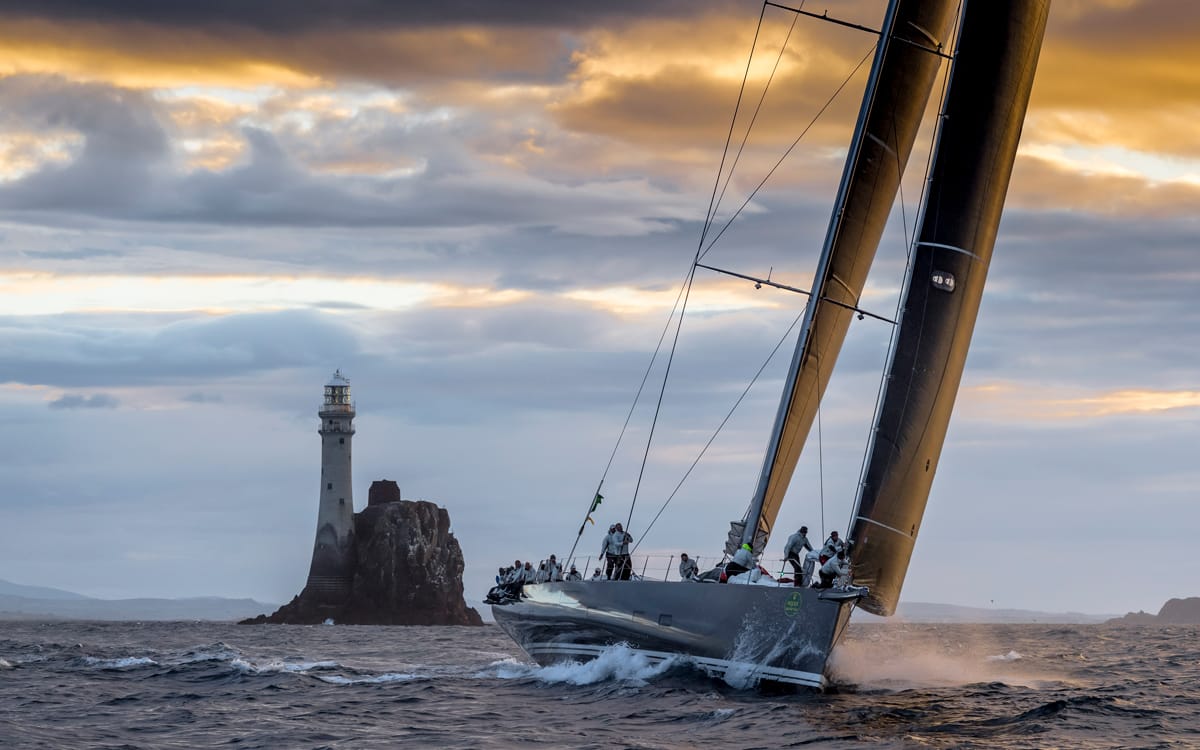
Then there are the trips our instructors do for themselves. Not for work, not for students, but because they love sailing. A two-week cruise to Brittany. A Channel Islands passage on a friend’s boat. A charity delivery to the Azores. These personal adventures are where RYA instructors outside teaching recharge and remember why they got into this life in the first place. The sailing is not just a job. For most of them, it is a genuine passion that predates their teaching career.
I think the personal sailing is what keeps instructors genuine. When you teach the same syllabus week after week, it is easy to become mechanical. You start talking about boat handling like it is a checklist rather than a feeling. Going offshore for a week, making your own decisions, dealing with your own mistakes — it resets your perspective. You come back excited about sailing again, and that energy carries into every course you teach. Students notice the difference between an instructor who is going through the motions and one who is genuinely engaged.
The Solent is a great base for these personal trips. From Gosport you can reach Cherbourg in a day, the Channel Islands in a long weekend, the Scilly Isles in two days if the weather cooperates. Our instructors know these routes back to front, which means their students benefit from that local knowledge during courses. They do not just teach generic sailing skills. They teach Solent sailing — the specific tides, harbours, approaches, and anchorages that matter in this part of the world.
Some of our instructors also own their own boats. This is a different experience from sailing a school boat. When the repair bill comes out of your own pocket, you make different decisions. You learn the real cost of standing rigging, the frustration of a diesel engine that will not start on a Sunday evening, the satisfaction of fixing something yourself under a marina floodlight. That experience filters through when RYA instructors outside teaching advise students on buying their first boat or maintaining a yacht they plan to charter.
Personal sailing also builds passage experience that benefits students directly. RYA instructors outside teaching bring back practical knowledge from every trip they take. Our instructors have done night passages, ocean crossings, river transits, and harbour entrances in a dozen different countries. They have dealt with customs in non-English-speaking ports, negotiated with harbour masters, and anchored in places the pilot book does not cover. Every one of those experiences is a story they can draw on in the classroom. It makes their teaching richer and more credible.
How this experience benefits students
The practical question for anyone booking a course is straightforward: does any of this matter to me? I think the answer is yes, directly and measurably.
When you learn from RYA instructors outside teaching who are actively sailing, racing, maintaining boats, and advancing their own skills, you get a broader education. You do not just learn how to pass the exam — though you will probably do that too. You learn how to actually sail. How to handle a boat when things are not going to plan. How to make good decisions with incomplete information. How to troubleshoot problems before they become emergencies. These are not exam skills. They are real sailing skills.
The Day Skipper course is a good example. The syllabus covers passage planning, pilotage, boat handling, and safety. A teacher who only teaches will cover those topics competently. An instructor who also delivers boats across the English Channel will cover them differently. They will talk about what happens when the ferry port is closed by fog. How to find a berth in an unfamiliar harbour at 11pm. What to eat and drink on a long passage so you do not hit the wall at 3am. Those details make the difference between a certificate and a capable sailor.
It is also about credibility. When students see that their instructor is not just a teacher but an active professional sailor with delivery trips, race experience, and maintenance knowledge, they pay more attention. The instructor has earned the right to be listened to. They are not telling you what the textbook says. They are telling you what works, because they have done it in the same waters where you are training.
I have seen this play out in our courses for years. Students who train with instructors who are active outside the classroom tend to progress faster. They ask better questions. They retain more. They leave not just with a certificate but with real confidence in their own ability. That is the value of RYA instructors outside teaching who treat sailing as a profession, not a lesson plan.
Frequently asked questions
Do RYA instructors need to keep sailing outside teaching?
Yes. RYA instructors must maintain logged sea time to keep their qualifications valid. But most go well beyond the minimum because they genuinely enjoy sailing. RYA instructors outside teaching are usually active sailors who choose to spend their limited free time on the water doing more of what they love.
How does racing experience help instructors teach better?
Racing sharpens boat handling, sail trim, and decision making under pressure. An instructor who races regularly can demonstrate finer points of helming and trim that make a measurable difference during practical exams. Racing also keeps technical skills current in a way that teaching a syllabus alone cannot.
What qualifications do RYA instructors hold beyond teaching?
Most hold Yachtmaster commercially endorsed certificates, which requires significant logged sea time and a rigorous examination. Many have additional qualifications: RYA Powerboat Instructor, Diesel Engine Maintenance, Radar, First Aid Instructor, VHF Radio Instructor. Some hold STCW certificates for commercial work on larger vessels. The qualification range among RYA instructors outside teaching is extensive and constantly expanding.
Can i train with the same instructor who does delivery skippering?
Yes. Many of our team cycle between teaching and commercial skippering throughout the year. You might train with an instructor one week who was delivering a yacht across the Bay of Biscay the week before. That direct, current experience is one of the main advantages of training at a busy Solent school with professionally active instructors.
Do instructors take students on their personal sailing trips?
Not usually. Personal trips are separate from courses and are downtime for the team. However, we do run mile builder trips and advanced passages that students can join as part of their training. These are structured as courses but replicate the experience of a real passage, giving students a genuine taste of what RYA instructors outside teaching do on their own time — while getting proper instruction and safety cover.
This guide was written by Tom and Jonno, RYA Yachtmaster Instructors and joint owners of Commodore Yachting.


