
An engine failure Solent scenario is one of those moments that separates prepared skippers from everyone else. The Solent is tidal, busy, and unforgiving. When the engine stops between the main shipping channel and the Bramble Bank, you do not have time to panic. You need a plan. I have seen engine failure Solent situations play out a dozen different ways during my years teaching RYA courses from Gosport. Some skippers handled it calmly and were back in port within two hours. Others drifted onto a lee shore and needed the RNLI. The difference was never luck. It was preparation. If you experience an engine failure Solent emergency, knowing what to do in the first sixty seconds determines how the rest of the day goes. This guide covers exactly that, from the moment the RPMs drop to tying up safely back at the pontoon.
Stay calm and assess the situation

The first rule in any engine failure Solent situation is to stay calm. Your crew will take their cue from you. If you start shouting or freezing at the helm, they will too. Take a breath. The boat is not sinking. You still have steerage way while the boat moves forward. You have time.
Start with the basics. Where are you? What is the tide doing? How much sea room do you have? The Solent has tidal streams up to four knots at springs, and they do not stop just because your engine did. If you are east of the forts with an ebb tide running, you are being pushed toward the shipping channel. If you are west of Cowes with the flood, you are drifting into the western Solent traffic separation scheme. Knowing your position relative to hazards is the first and most important step when an engine failure Solent happens.
Check your depth. If you are in deep water, you have more options. If you are shoaling near Ryde Sands or the Bramble Bank, anchoring or sailing off becomes urgent. Check your crew too. Is everyone okay? Is anyone below decks near moving engine parts? I have seen people hurt themselves trying to restart a seized engine while the boat rolled. Take the ten seconds to confirm everyone is safe and in the cockpit before you do anything else.
Put a life jacket on if you are not already wearing one. If the situation escalates to a mayday call or a tow, you want everyone already in their safety gear. In an engine failure Solent scenario, that small step done early buys you mental space to think about the bigger problem.
Immediate actions when the engine dies
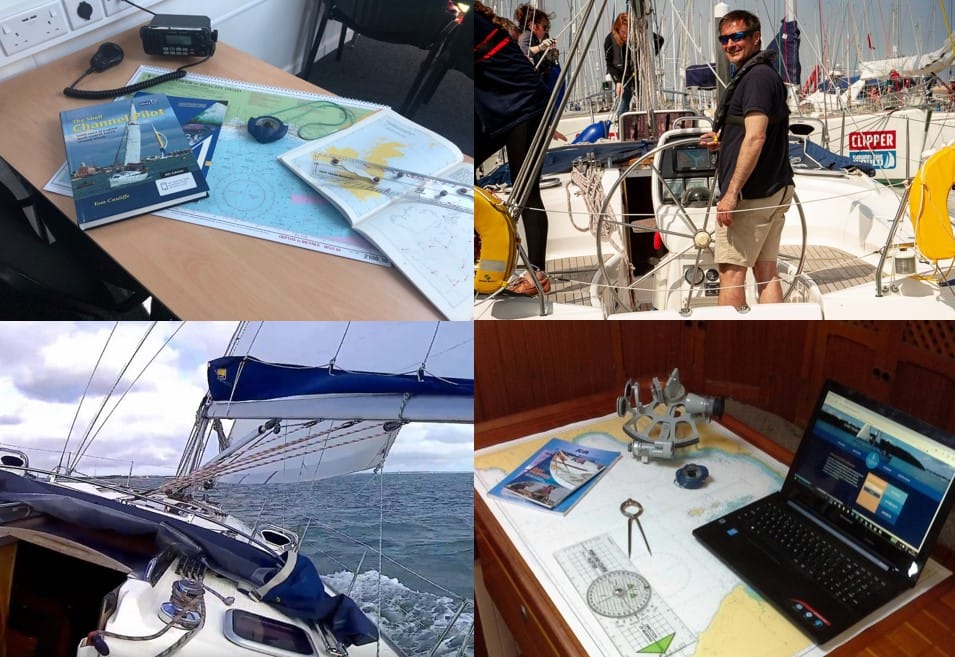
The moment you lose drive, your priority shifts from motoring to maintaining control. During an engine failure Solent, the boat is still moving forward through the water. You have steerage. Use it.
First action: throttle to neutral and check if the propeller is still turning. Feel the shaft or listen for the familiar vibration. If the prop has stopped or is freewheeling, you know the issue is in the engine, not the drive train.
Second action: try a restart. Turn the key. Listen for the starter motor. If the engine cranks but does not catch, you have a fuel or air problem. If it does not crank at all, you have an electrical or starter issue. If it cranks slowly, your battery is dying or the starter motor is failing. Responding to an engine failure Solent means diagnosing these symptoms fast so you can decide whether to fix it on the water or call for help.
Third action: get the sails up. If you have crew, send them to the mast to hoist the main. If you are single-handed, bear away to a reaching angle and get the headsail out first. You can sail a Bavaria 38 in most Solent conditions under headsail alone while you sort out the engine. Do not wait until you have lost all way and are beam-on to the wind. The earlier you get canvas up during an engine failure Solent situation, the more control you keep.
Fourth action: inform the crew. Tell them what has happened, what you are doing about it, and what you need them to do. Clear instructions prevent confusion. Assign someone to keep watch while you troubleshoot. A pair of eyes looking for ferries, cargo ships, and fishing boats is not optional in the Solent.
Diagnosing common engine problems
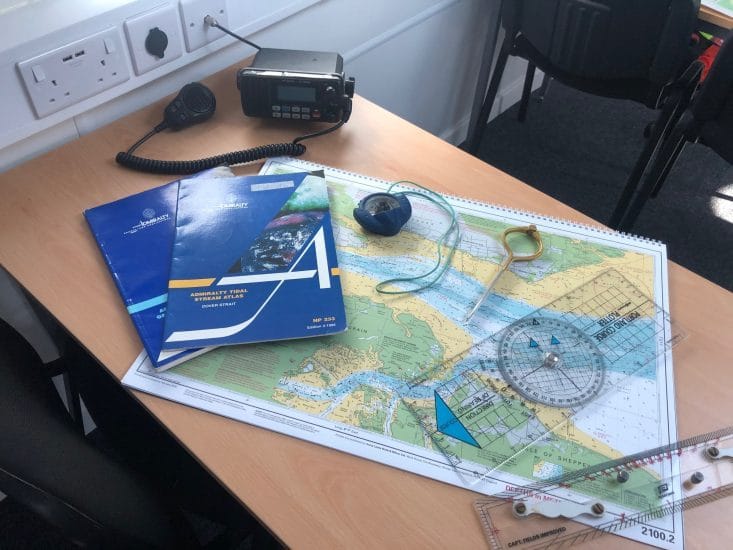
Most engine failure Solent causes fall into a few predictable categories. I have broken them down in order of likelihood based on what we see in our fleet at Commodore Yachting. Working through this list systematically saves time and prevents you from chasing the wrong problem.
Fuel starvation. The most common cause. A clogged primary fuel filter, air in the fuel line, or an empty tank. If your engine spluttered and died rather than stopped abruptly, suspect fuel first. Check the primary filter bowl for water and sediment. If it is full of crud, you have a classic diesel bug scenario. The engine needs clean fuel to run. Change the filter, bleed the system, and try again. We cover this in detail in our guide to diesel bug prevention and treatment.
Electrical failure. If the engine does not crank at all, check the battery isolator switch first. It sounds obvious, but I have seen students and experienced skippers alike spend ten minutes diagnosing an engine failure Solent that turned out to be a switched-off battery. Next, check the main engine fuse or circuit breaker. Then check the starter battery voltage. Below 12.2 volts while resting means the battery is flat or failing. Jump start from your domestic bank if you can, but remember you need engine power to charge them back up.
Overheating. If the engine cuts out and the temperature gauge was climbing before it stopped, you have an overheating problem. The raw water intake could be blocked by a plastic bag or weed, common in Solent waters after tides push debris around. The impeller could have failed. The belt could have snapped. Let the engine cool before you investigate. Opening a hot cooling system can cause injury.
Air in the fuel system. If you recently changed a fuel filter or ran the tank low, air may have entered the system. Diesel engines need bleeding to remove air locks. Crack the injector pipe nuts and crank until fuel flows without bubbles. On Volvo Penta and Yanmar engines common in our fleet, the bleed screw on the fuel filter housing is the first place to start. An engine failure Solent diagnosis that comes down to an air lock is a quick fix once you know the procedure.
Calling for help: VHF and mayday procedures
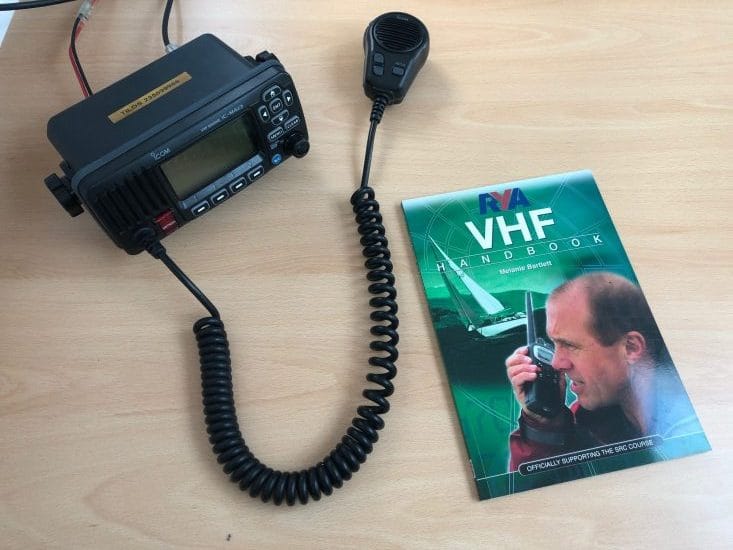
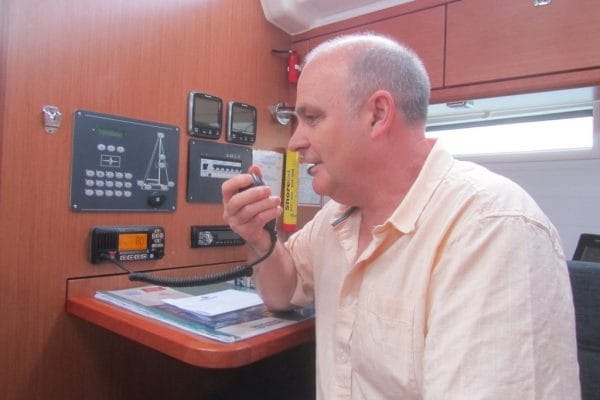
If you cannot diagnose or fix the problem, or if the situation becomes dangerous, you call for help. The Solent has excellent VHF coverage and the coastguard monitors Channel 16 constantly. Knowing how to call correctly during an engine failure Solent emergency makes the rescue faster and safer for everyone involved.
When to call a mayday. A mayday is for grave and imminent danger. If you are drifting toward a lee shore, about to hit a sandbank, or at risk of collision with commercial traffic, and you cannot prevent it under sail, call mayday. Do not hesitate. The coastguard would rather respond to a precautionary call than a recovery operation. If you are not in immediate danger but need assistance, use a pan-pan call instead. Declare a pan-pan for an engine failure Solent when you need a tow but everyone is safe and the boat is not in immediate danger.
How to make the call. Press the transmit button on your VHF. Say the name of your vessel three times, then the word pan-pan (or mayday) three times. State your position in latitude and longitude or a well-known reference. Tell them the nature of your emergency: engine failure Solent, drifting, need assistance. State the number of people on board. Say if you have life jackets on. Say what kind of vessel you are. Release the transmit button and wait for a response. If you get no response after ten seconds, repeat the call on Channel 16. If still no response, try the Solent Coastguard on the same channel. Do not switch channels mid-call unless instructed.
VHF channels for the Solent. Channel 16 is the international distress and calling channel. Channel 67 is the Solent Coastguard working channel. Channel 11 is Portsmouth Harbour traffic. Channel 12 is Southampton Harbour traffic. If you are near a busy port, harbour control can alert the coastguard for you. Keep listening on Channel 16 after your call. The coastguard may ask you to switch to a working channel for the duration of the incident.
For more on safety procedures and equipment, read the RNLI safety guidance and the RYA training syllabus both cover VHF procedures in detail. If you are working toward your Day Skipper, these channels and call types are exam material. Our RYA Day Skipper practical course covers emergency VHF procedures on the water.
Anchoring in an emergency

Anchoring is your best option when you need to hold position while you fix the problem or wait for a tow. Anchoring after an engine failure Solent is different from anchoring for lunch. You may be in a less sheltered spot. The tide may be running hard. The bottom may be poor holding ground. But if you are drifting toward danger, putting the anchor down buys you time.
How to deploy the anchor under sail. This is a skill we practice on every RYA course. Approach the chosen spot under headsail only, or bare poles if you have enough way. Luff up into the wind when you reach the spot. Drop the anchor while the boat still has slight forward motion, not while it is stationary or going backward. Let out a scope of at least 5:1, more if the wind against tide is strong. In an engine failure Solent anchoring scenario on springs, go for 7:1. The Solent has a mix of mud, sand, and gravel seabeds. Mud and sand give excellent holding. Weedy or rocky patches near the forts do not. If you drag, haul up and try again.
Where to anchor in the Solent. The best emergency anchorages depend on your position. Osbourne Bay off the northeast coast of the Isle of Wight offers good shelter from westerly winds. Ryde Sands gives reasonable holding but shallow water at low tide. Stokes Bay near Gosport is a reliable option if you are on the mainland side. Prince Consort, the large sandbank south of Portsmouth, also holds well. Avoid the main shipping channels, the areas near submarine cables, and the approaches to ferry terminals. An engine failure Solent anchoring plan should always aim for deep enough water at low tide with good holding.
Setting a riding light. If you anchor after dark, you must show an anchor light, a white all-round light visible for two miles. If your engine is dead and your batteries are low, a handheld waterproof torch hoisted in a bucket or tied to the mast will not meet the legal requirement but is better than nothing. Keep a separate anchor light in your grab bag for exactly this scenario.
Getting a tow or assistance
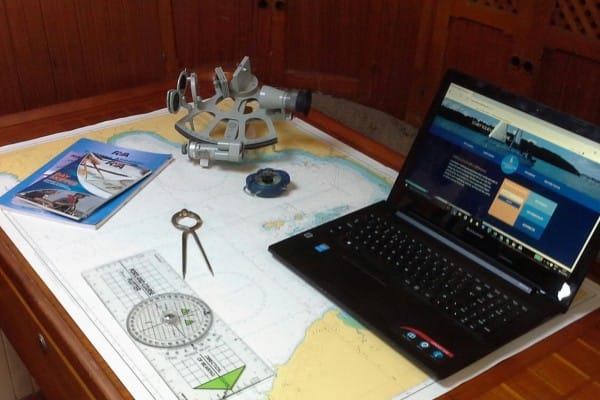
When you cannot fix the engine and you cannot sail to safety, you need a tow. Recovering from an engine failure Solent with a professional tow is straightforward if you know the protocol.
Who to call. The coastguard coordinates all rescue and tow operations in the Solent. They will task the RNLI lifeboat if you are in danger, or a commercial tow company if the situation is non-urgent. Solent Towage operates from Portsmouth and covers the eastern Solent. Several local marinas also offer tow services. The coastguard will give you a choice if multiple options are available. Do not accept a tow from a passing pleasure boat unless you know what you are doing. Tow lines can part, cause damage, or create a more dangerous situation if the tow boat is not equipped for it.
The tow line. Use your strongest mooring line, preferably a dedicated tow rope if you carry one. Never attach the tow line to a cleat that is not through-bolted. Use the main mooring cleats forward and aft. If the tow is long, rig a bridle to spread the load. The tow boat will tell you how much line to let out. As a rule, you want the tow line submerged in a catenary curve. Too short and the snatching forces can break the line or your cleats. Too long and you lose steering control. Organising a tow after engine failure Solent means following the tow boat instructions precisely.
Steering under tow. You can steer while under tow. Keep your rudder amidships and let the tow boat do the work unless they ask you to steer. If you need to maintain a course, steer slightly to one side to keep tension on the line. Do not weave. Watch for the tow boats wake and adjust your helm to avoid being pulled into it. In the Solent, tows are usually slow, 4 to 6 knots, so the trip back to port takes time. Stay patient.
At Commodore Yachting, we train our students to handle these situations on our RYA sailing courses. The Solent is an excellent classroom because conditions here demand real competence, not just theory. For a deeper understanding of why this stretch of water produces better sailors, read about sailing the Solent with Commodore Yachting.
Preventing engine failure
Engine failure Solent prevention is simpler than dealing with the aftermath. Most breakdowns are caused by maintenance that was postponed, filters that were not changed, or fuel that was contaminated. Our fleet of Bavaria yachts sails year-round from Gosport Marina, and we see engine problems when maintenance slips. Here is what we do to keep engines running and what you should do too.
Fuel system maintenance. Change your primary fuel filter every 100 hours or annually. Check the filter bowl for water every time you start the engine. Use a diesel biocide treatment if your boat sits idle for weeks between trips, especially in warmer months when diesel bug grows fastest. Keep your tank topped up to reduce condensation. Leaving a partially full tank over winter is the single biggest contributor to water in fuel, which leads directly to the kind of engine failure Solent skippers fear most.
Engine checks before every trip. Open the engine hatch. Check the oil level, coolant level, and drive belt tension. Look for leaks around the fuel injectors and fuel lines. Listen to the engine at idle before you cast off. A rough idle, unusual vibration, or black smoke all signal problems that will get worse at sea. Fix them at the dock, not in the middle of the Solent shipping lane. Avoiding an engine failure Solent starts with these pre-departure checks that take five minutes.
Know your engine. Every skipper should know how to bleed the fuel system, change the impeller, and check the raw water strainer on their own engine. These are not advanced mechanical skills. They are basic seamanship. On our RYA Day Skipper practical skills weekend, we cover engine checks and basic troubleshooting as part of the syllabus. Knowing your engine cuts your risk of an unexpected breakdown more than any single piece of equipment on board.
Spare parts to carry. Fuel filters, impeller, drive belts, a length of fuel hose, hose clamps, engine oil, and a basic tool kit. These take up less space than a fender and can save your weekend or prevent a tow bill. Add a multimeter and spare fuses for the electrical side. In an engine failure Solent scenario, having the right spare part on board can mean the difference between fixing it yourself and waiting hours for a tow.
Frequently asked questions
How common is engine failure in the solent?
Engine failure Solent reports peak during the summer months when more boats are on the water. Fuel system problems account for about half of all breakdowns at sea, according to RNLI data. Our own fleet data at Commodore Yachting shows that proper maintenance reduces the annual incidence to near zero. Most engine failure Solent cases we hear about involve boats that were not used regularly or had overdue filter changes.
Do i need a VHF licence to call for help during an engine failure Solent emergency?
Legally, you need a Ship Portable VHF licence to use a handheld VHF ashore, and a Ship Station licence for a fixed set. For the operator, the RYA recommends the VHF Short Range Certificate, but the law allows anyone to use a VHF radio in a genuine emergency. If you have an engine failure Solent emergency, call on Channel 16 regardless of whether you have a licence. The coastguard will not check your certificate while you are drifting toward the Bramble Bank.
Can i anchor anywhere in the Solent during an engine failure?
You can anchor in most parts of the Solent as long as you are not obstructing a main shipping channel, a prohibited area near submarine cables, or a restricted military zone. The Solent has several designated anchorages marked on Admiralty charts. In an engine failure Solent anchoring scenario, the priority is safety over regulations. Anchor where you can hold and stay out of shipping lanes. Deal with the paperwork later.
Will my insurance cover a tow for an engine failure solent?
Most yacht insurance policies include a standard towing and recovery benefit up to a specified limit, typically around £10,000 to £25,000. Check your policy wording. Some policies require you to carry suitable tow gear. If you are a member of the RNLI, their lifeboat service is free, but they may task a commercial tow operator if the lifeboat is unavailable and you may be liable for that cost. Read your policy before you need it. An engine failure Solent tow can cost several hundred pounds depending on distance.
How do i practice engine failure drills?
Practice with your crew in a safe location. Shut off the engine intentionally in open water and go through your checklist. Time how long it takes to get sails up. Practice bleeding the fuel system. Practice anchoring under sail. On RYA courses at Commodore Yachting, we run these drills as part of the standard syllabus. The more you practice an engine failure Solent response, the more automatic it becomes when it happens for real.
Should i carry a separate emergency vhf?
Yes. A handheld VHF with a fully charged battery and a spare set of alkaline batteries is cheap insurance. If your main electrical system fails during an engine failure Solent, your fixed VHF goes dead with it. A handheld VHF kept in your grab bag or ditch bag ensures you can still call for help. Make sure everyone on board knows where it is and how to use it.
This guide was written by Tom and Jonno, RYA Yachtmaster Instructors and joint owners of Commodore Yachting.


