
What is Cowes week?
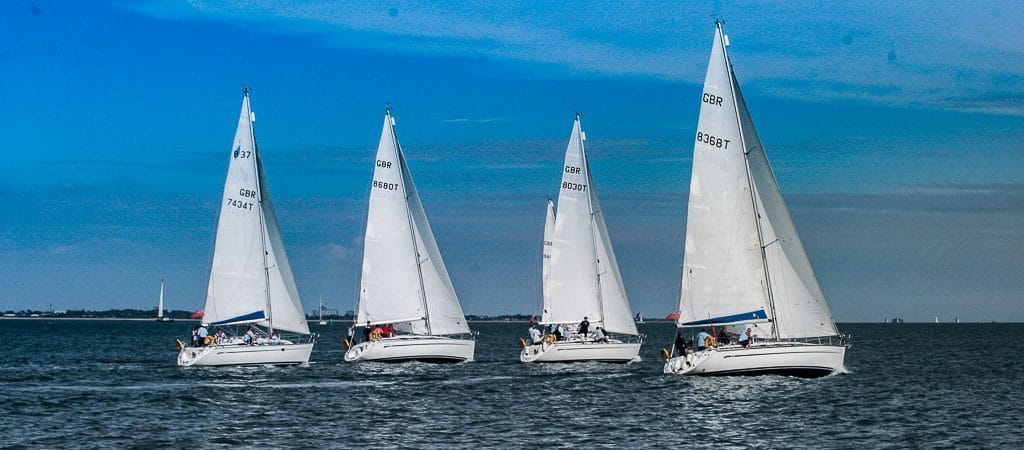
Cowes Week is the world’s oldest regular regatta, first sailed in 1826 on the Solent. Nearly 200 years later, it draws over 1,000 yachts and 8,000 competitors to the Isle of Wight every August. For one week, Cowes fills with sailors, spectators, and enough marine traffic to make the Solent look like a motorway.
For sailing students, this is more than a spectator event. Cowes Week first timers make up a significant share of the crews on the water. Many boat owners need extra hands and want people who are keen, fit, and have basic sailing knowledge. If you have done a Competent Crew course or can tie a reef knot, you are useful.
The regatta started as a single race between local yacht owners. By the 1850s, Cowes Week was the highlight of the British summer season. Queen Victoria watched from the Royal Yacht Squadron balcony. Today it runs across 40 classes with over 40 races each day.
Courses are set around marks, buoys, and natural features on the Solent. The Royal Yacht Squadron line is where many classes start. The range goes from high-performance IRC yachts with professional crews to cruiser classes where families race for fun, plus classic yachts, catamarans, and charter boats. Cowes Week first timers find that their course skills transfer directly. Sail trim, helming, and crew coordination all get tested in ways you cannot replicate in a standard training session.
Why sailing students should experience Cowes week
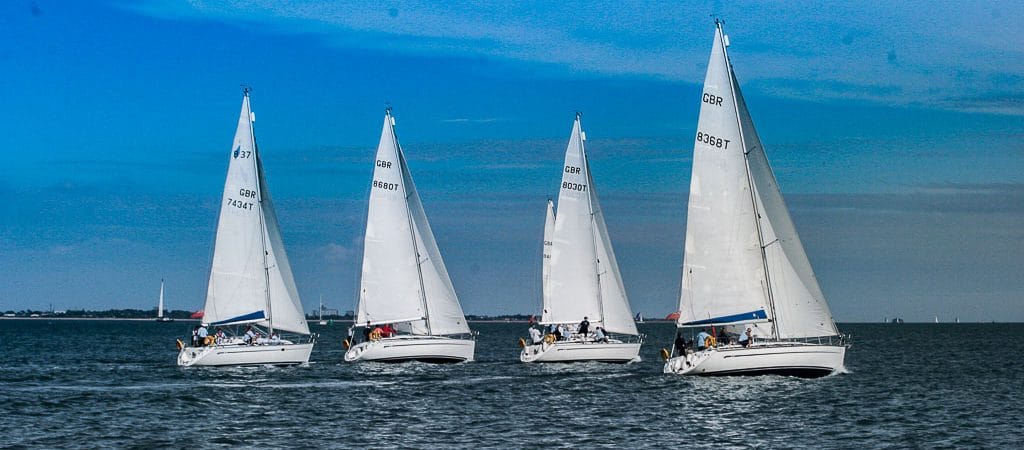
There are plenty of regattas around the UK coastline, but Cowes Week stands apart. It is not just about winning. For sailing students, it is one of the best learning experiences available.
The Solent conditions during August test every skill you have been building. Tidal streams run up to 4 knots around Bramble Bank and the Ryde Middle. The wind can swing from a light F2 to a challenging F6 in an afternoon, with gusts funnelling between the Isle of Wight and the mainland. You will practise sail trim, helm control, navigation in busy shipping lanes, collision avoidance, and crew coordination under pressure. These are the exact skills assessed on your RYA sailing courses, but compressed into a week of intense racing.
You also meet people. Cowes Week attracts sailors at every level. Olympic medalists race alongside Cowes Week first timers who are on their first regatta. The social scene onshore is as big a part of the event as the racing. Pubs, clubs, and marquees host events every evening. This is where sailing connections are made. A conversation at the bar can lead to a crewing invitation for next season.
It builds your logbook too. Employers and skippers notice Cowes Week experience. It shows you can handle pressure, work as a team, and manage yourself in a busy tidal environment. For anyone working towards Yachtmaster, the sea miles you log during the week count towards the required total.
Your training in the Solent gives you a head start. You already know the tides, the marks, and the local conditions. Cowes Week first timers who trained here adapt faster and feel more confident on the water. There is also a practical benefit: racing sharpens your decision making. On a course, you have seconds to decide whether to tack, whether to take a header, whether to call for a sail change. That speed of thinking carries straight back into your syllabus training.
How to get involved as a crew member
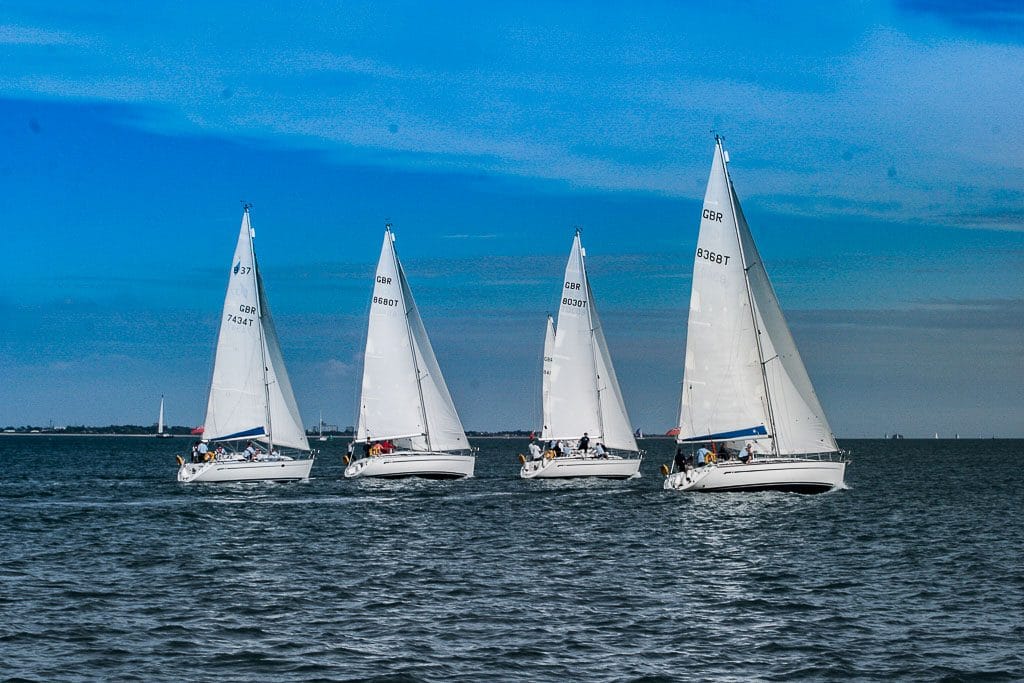
The biggest hurdle for Cowes Week first timers is finding a boat. You do not need to own one. You do not need to be an expert. You just need to be useful and reliable. Here are the main ways in.
Join a crew-finding service
Several websites connect boat owners with crew. The official Cowes Week website has a crew board. Crewseekers, Sailing Networks, and local Facebook groups all list opportunities. Create a profile, list your experience honestly, and say you are a sailing student looking for Cowes Week first timers crewing opportunities. Skippers appreciate honesty about your level.
Ask your sailing school
At Commodore Yachting, skippers sometimes ask us for crew recommendations. If you have done a course with us and want to race, let us know. We can introduce you to owners looking for Cowes Week first timers crew. A Competent Crew or Day Skipper qualification gives you the basic rope work, helming, and safety procedures that skippers want.
Volunteer on support boats
The regatta needs more than just race crews. Safety boats, mark layers, and shore crew are all needed during the week. Volunteering lets Cowes Week first timers see the event from the inside without the pressure of racing. You learn about race management and meet people who may offer you a crew spot in future years.
Join a charter programme
Race charter packages let you pay for a share of the boat and join as crew. Everything is organised. You just show up and sail. These are popular with Cowes Week first timers because there is no networking required. Expect to pay £300 to £600 for the week depending on the boat and what is included.
Cowes week racing for beginners
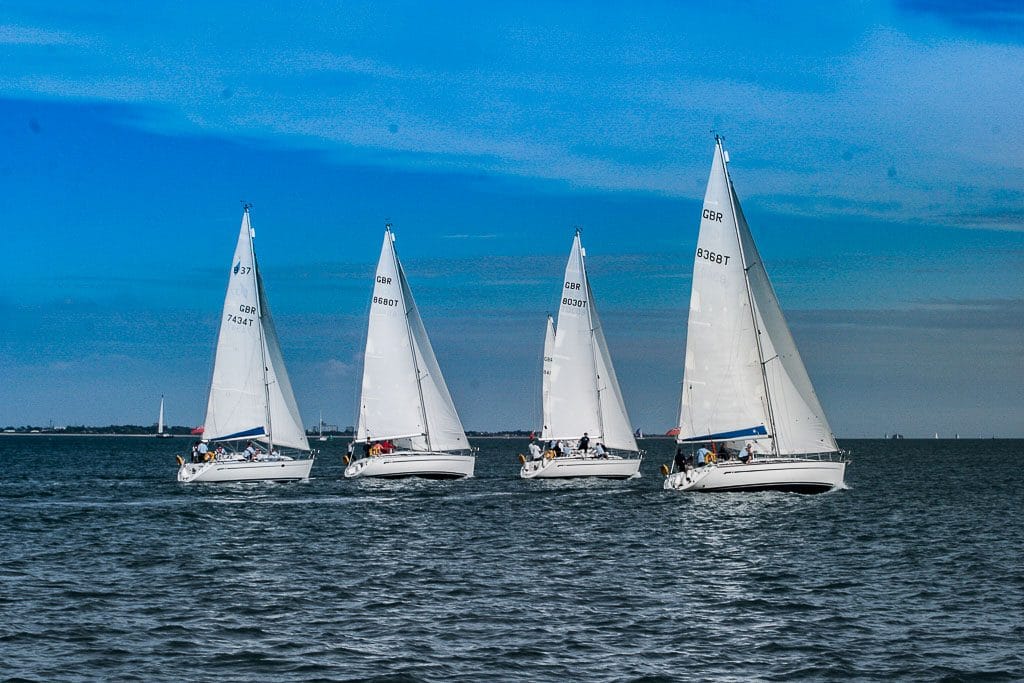
If you have never raced, the starting line at Cowes Week can look chaotic. Dozens of yachts jostling for position, flags going up, horns sounding. It makes sense once you understand the basics.
Racing runs from late morning to late afternoon. Most classes sail one race per day. Courses are set around marks in the Solent and eastern approaches. You round buoys, dodge ferries, read the tide, and try to cross the finish line ahead of the boats around you.
For Cowes Week first timers new to racing, here is what matters most:
- Listen to the helm and do what they say immediately. Hesitation costs seconds, and seconds cost places.
- Keep your head out of the boat. Watch for other yachts, wind shifts, and the next mark.
- Learn the flags. Class flags, course signals, and postponement flags all matter.
- Stay safe. Racing is intense, but safety comes first. If you are unsure, ask.
The atmosphere on the water is competitive but friendly. Cowes Week first timers are generally welcomed, as long as you are honest about your skill level and willing to learn. Skippers appreciate crew who try hard more than crew who pretend to know things.
The class system helps. If you are a Cowes Week first timers, aim for a cruiser class or a charter boat. These are less intense than the IRC racing and more focused on participation. Some classes even have dedicated divisions for less experienced crews. Racing at your level makes the whole week more enjoyable.
What to expect: daily schedule and atmosphere
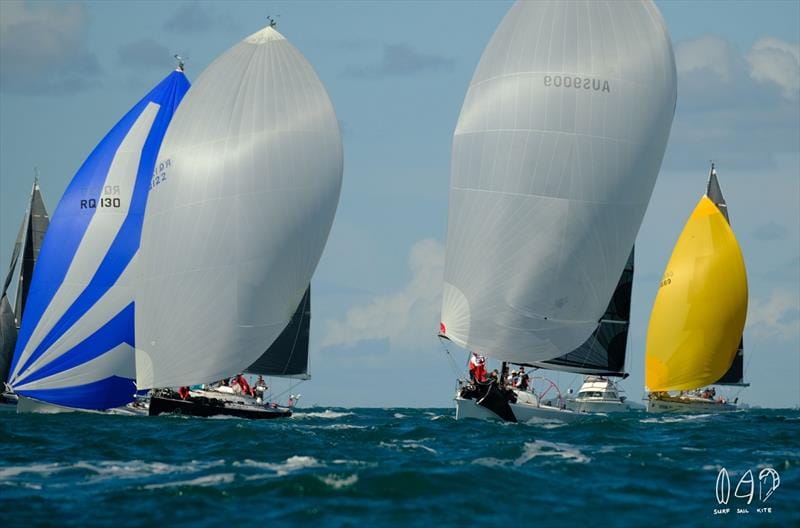
A typical day starts early. Most crews meet at the boat between 0800 and 0830 for preparation. Rig checks, sail selection based on the forecast, a quick briefing from the skipper about the course and the tidal gate. The first warning signal for most classes goes up around 1000. By 1030, most fleets are racing, and the Solent is as busy as it gets all year.
Races last three to six hours depending on the class and wind. After racing, boats return to Cowes or nearby marinas. By 1700, the town is buzzing. Pubs fill up, crews swap stories, and the evening entertainment begins. Fireworks, live music, prize givings. It is a full day from start to finish.
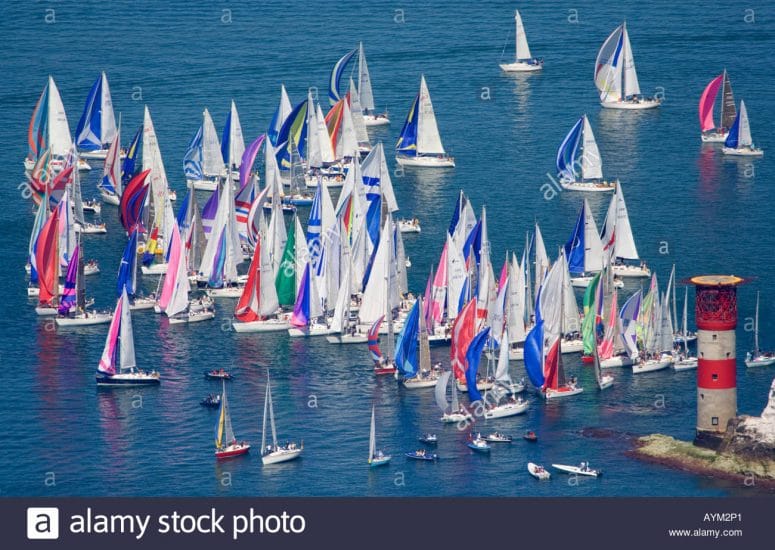
The atmosphere is unique. There is nothing else like it in British sailing. The Solent packed with yachts, the noise of winches, shouts from committee boats, the smell of diesel and salt. For Cowes Week first timers, it can feel overwhelming at first. By day two, you are in the rhythm.
Weather on the Solent in August is unpredictable. You might get blazing sun and light winds, or heavy rain and a F6. Pack for everything. Suncream and waterproofs both go in your bag. The Solent can serve up four seasons in one afternoon. For Cowes Week first timers, layering is the answer. Base layer, mid layer, waterproof shell. Bring a spare set of everything.
The social side deserves its own mention. Cowes Week is famous for its evening scene. If you have the energy after a day of racing, it is worth experiencing. Just do not let it affect your sailing the next day.
Costs and budgeting for Cowes week
One of the biggest questions from Cowes Week first timers is how much it costs. Here is a realistic breakdown.
The most expensive option is a race charter package at £300 to £600 for the week. This covers your place on the boat and sometimes meals. Accommodation varies. Sleeping onboard is free if there is a spare bunk. A room ashore in Cowes during race week runs £50 to £100 per night, and you need to book months in advance.
Food and drink add up. Eating out every night costs £30 to £50 per day. Cooking onboard with the crew costs £15 to £20 per person per day. Many crews do a shared shop at the local Co-op and split the cost.
Travel depends on where you live. Petrol to the south coast, ferry to the Isle of Wight at £15 to £30 return, and parking add another £30 to £80. If you come by train, Portsmouth Harbour station connects directly to the ferry terminal. Entry fees are only relevant if you own a boat, running £200 to £800 depending on class and whether you enter early.
For Cowes Week first timers on a budget, the cheapest route is finding a skipper who wants competent crew in exchange for a free place. Many owners need extra hands to balance their regular team. If you have done a Day Skipper practical course or Competent Crew, you have the basics they need. Check our course calendar for dates that align with the regatta.
Sleeping onboard saves the most money. Most boats have bunks for four to six people. Bring a sleeping bag and earplugs. Book any shore accommodation well in advance if you need it.
Tips for first-timers
After years of watching Cowes Week first timers arrive, sail, and sometimes make the same mistakes, here is what we wish everyone knew before they came.
Arrive the day before
Do not try to find the boat and crew on the morning of your first race. Arrive at least one day early. Find the boat, meet the skipper, do a safety briefing. Cowes Week first timers who arrive early settle in faster and sail better.
Bring more layers than you think
The Solent in August can be 30 degrees onshore and 15 degrees on the water. Wind chill makes it feel colder. Pack a thermal base layer, a mid layer, a sailing smock, waterproof trousers, and a hat. Non-marking deck shoes are essential. Trainers with dark soles mark the deck and get slippery when wet.
Know your knots
A stopwatch is wasted if the person on the foredeck cannot tie a reef knot or a round turn and two half hitches. Practise before you arrive. It makes you look competent and keeps the boat safe.
Stay hydrated and fed
Racing is physical. You burn more calories than you expect. Drink water constantly, not just at lunch. Bring snacks that do not melt. Granola bars, nuts, dried fruit. Cowes Week first timers who manage their energy last the whole week. Those who do not fade by Wednesday.
Listen more than you talk
The best crew members listen, learn, and do what is asked. You do not need to prove anything. Your work on the boat speaks for itself. Every experienced sailor was a Cowes Week first timers once.
Enjoy it
Cowes Week is one of the great sailing events in the world. It is easy to get stressed about performance, positioning, or mistakes. Remember why you came. You are there to learn, to sail, and to be part of something special. The racing matters, but the experience matters more.
If you are training with us, you already know the Solent. That is a big advantage. Our training in the Solent covers tides, marks, and local conditions that Cowes Week racing demands. It gives context to everything you learn on your courses. You see how sail trim, tidal planning, and crew management come together under race conditions. To build your skills before the regatta, consider our Day Skipper practical skills weekend or a course from our full course list. The Solent is one of the best places in the UK to train, and Cowes Week is where that training pays off.
Bring a notebook
You will learn a lot in one week. Tidal tricks, sail trim adjustments, starting line techniques, crew management. Write it down at the end of each day. Six months later, you will forget the details. A notebook fixes that.
Be realistic about your stamina
Racing every day for a week is tiring. Your body will ache in places you did not know existed. Your decision making slows down after three days of minimal sleep and constant concentration. Do not feel bad about taking a day off midweek. Sit on the shore, watch the racing, recharge. You will be a better crew member for it.
Frequently asked questions
Do i need to be a good sailor to join Cowes week?
No. Many boats welcome Cowes Week first timers with basic sailing experience. If you can follow instructions, handle a sheet, and steer a compass course, you are useful. Competent Crew level is enough for most cruiser-class boats.
Can i do Cowes week while taking a course?
Some students combine both, but it is tight. The Day Skipper practical runs over five days and needs your full attention. Better to do the course before or after, or join for the weekend if you can only spare a few days.
What if i have never raced before?
That is fine. Lots of Cowes Week first timers have never been on a race course. Tell the skipper upfront. They will put you in a position where you can learn without causing chaos. The middle of the boat is a good place to start, handling sheets and keeping lookout. Avoid the foredeck on your first race and the bowman role until you have done a few races.
How long does Cowes week last?
Eight days, typically the first full week of August, running Saturday to the following Saturday. You do not need to be there for all of it. Many crews join for the weekend or a few midweek days. See the official RYA training courses page for more on building your skills beforehand.
Is it worth the money?
In my opinion, yes. Cowes Week is not cheap, but the experience is unique. If you are serious about sailing, it will teach you more than a month of day sailing in light winds. The skills, the contacts, and the memories last.
This guide was written by Tom and Jonno, RYA Yachtmaster Instructors and joint owners of Commodore Yachting.


