
The day in the life RYA instructor begins with early boat preparation

I arrive at Gosport Marina around 7:30. Most days the car park is quiet and the only noise is halyards slapping against masts across the pontoons. Not everyone’s idea of a pleasant start to the working day, but it works for me.
The first job is boat prep. Our Bavaria fleet lives on the water year round and each one needs a morning check before students step aboard. Engine oil. Coolant levels. Bilges. Fuel. I have a mental checklist I run through without thinking at this point. Port engine, starboard engine. Seacocks. Raw water strainers. VHF radio check.
On a day in the life RYA instructor, this quiet hour before anyone arrives is the most productive one. No distractions. No questions. Just me and the boat getting ready. A day in the life RYA instructor starts on the pontoon, not in the classroom.
The Solent is tidal, so part of the preparation is checking today’s window. High water Portsmouth is 0923, which means a good flood tide through the morning and the ebb starting around 1430. I note this on the whiteboard in the cockpit. Today’s plan: head east toward Langstone Harbour for the morning session, pick up a visitor buoy for lunch, then work back west toward Spithead for the afternoon.
By 8:15 the engine is warmed up, the nav lights are tested, and the cockpit locker is organized with lifejackets in the right sizes. The first students start arriving. A day in the life RYA instructor is about to shift gear from mechanic to teacher.
Welcome and briefing
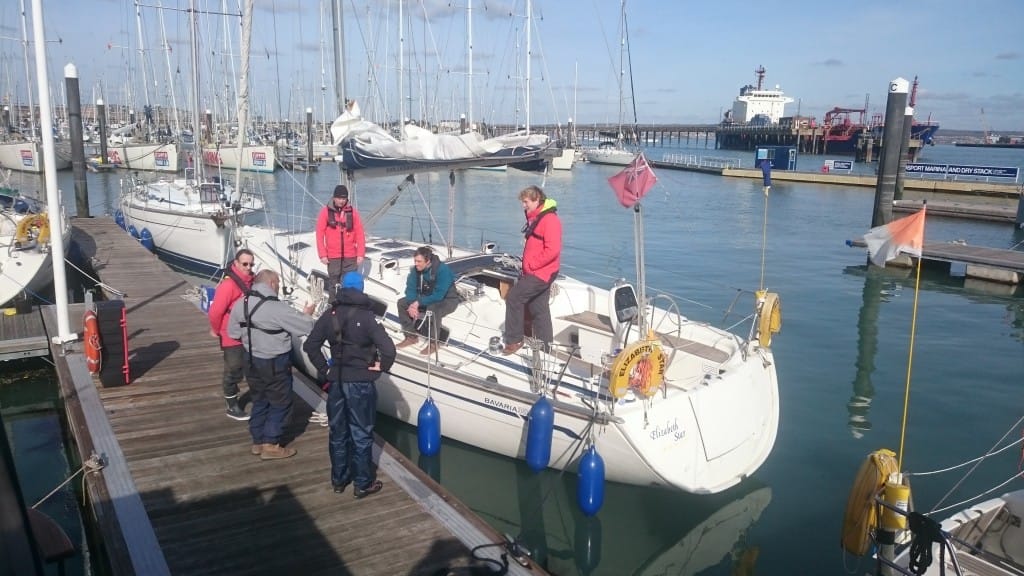
Students arrive between 8:30 and 9. Today I have four people for a Day Skipper practical skills weekend. Two have done Competent Crew with us before. One is completely new to sailing. One has experience helming a friend’s boat on the Thames but has never sailed on the coast.
I do the introduction the same way every time. Names first. Then why you are here. Then the dealbreaker: what happens if you fall in. Nobody falls in on my courses, but I still run through the man-overboard recovery procedure before we untie. It sets the tone. Safety first, always, and the day in the life RYA instructor begins with making sure everyone knows the drill.
Coffee in the cockpit. Chart brief. I spread the 5609 chart across the companionway and walk through our planned route. The Solent is one of the busiest stretches of water in Europe, and within the first hour of any course I want students to understand that sailing here is about awareness. Not just helming in a straight line, but knowing what the big ships are doing, where the ferries cross, and how the tide pushes you sideways even when you think you are going straight.
The briefing covers today’s passage plan and alternatives if the weather shifts, tidal heights and streams for Portsmouth and the eastern Solent, safety equipment locations, the COLREGS situations we will encounter, and each person’s role for the morning.
A day in the life RYA instructor involves more briefing than people expect. We are not just going for a sail. We are building a framework that lets students make decisions themselves by the end of the course.
Morning on the water
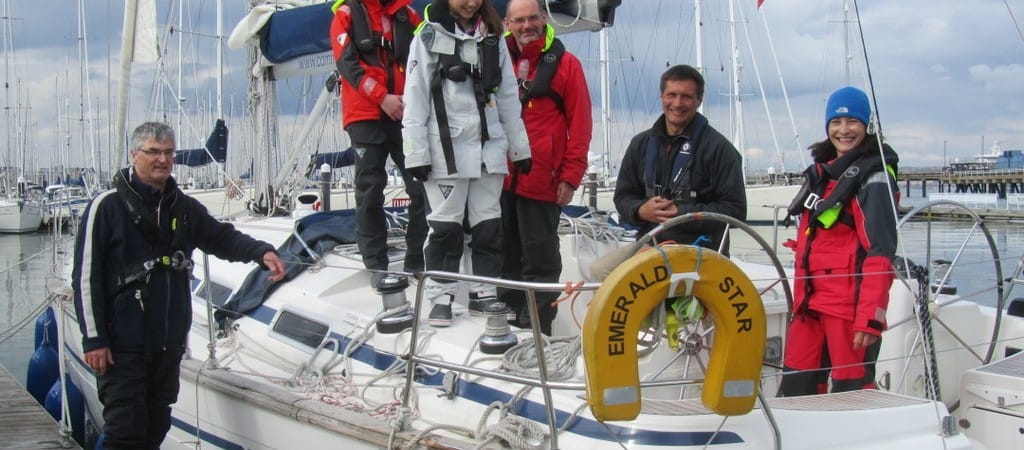
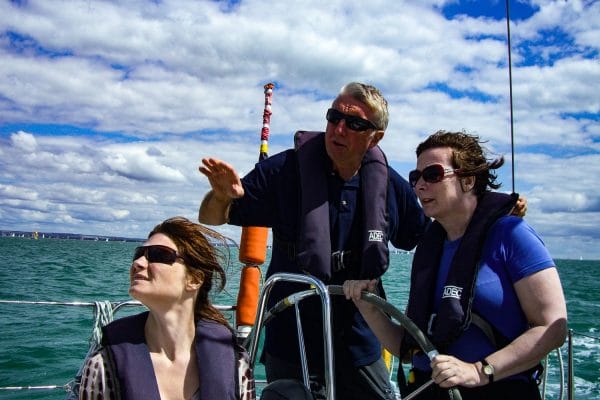
Lines off at 0915. Starboard engine in gear, fenders in, and we creep out of the marina channel past the fuel berth. I hand the helm to Sarah, one of the returning students. She has done Competent Crew so she knows the basics of steering to a course. Her main challenge is confidence, not skill. I stand behind her, one hand on the grab rail, and let her find her own feel for the wheel. A day in the life RYA instructor is half teaching and half holding back. Knowing when to let someone make a mistake is as important as knowing when to correct one.
Out past the harbour entrance, the wind is southwest at 14 knots. Solid sailing breeze. We clear the marina speed limit and I call for the main to go up. The crew splits into pairs. One on the main halyard, one on the topping lift, one tailing. It is a bit slow and a bit messy. That is fine. They will be faster by Sunday.
Once the main is set and the genoa unfurled, we settle onto a close reach heading toward Horse Sand Fort. The boat heels gently. The bow wave picks up. This is the moment every instructor waits for. The moment when the engine goes off and the boat starts doing what it is designed to do.
A day in the life RYA instructor includes a lot of standing on the starboard coaming, watching, deciding who needs what input. The new student, Mark, is on the helm now. He is oversteering badly, chasing the compass heading in three-degree oscillations. I let him do it for ten minutes before I suggest looking at a point on the land instead. Instant improvement. That simple trick works every time.
The morning leg takes us past the harbour entrance, across the main shipping channel toward the Warner and Eastney Lake areas. We practice tacking five or six times. Each tack gets cleaner than the last. By 11:30 the crew is tacking without prompting, with one person calling the sequence and the others moving through their positions.
Lunch and tidal planning
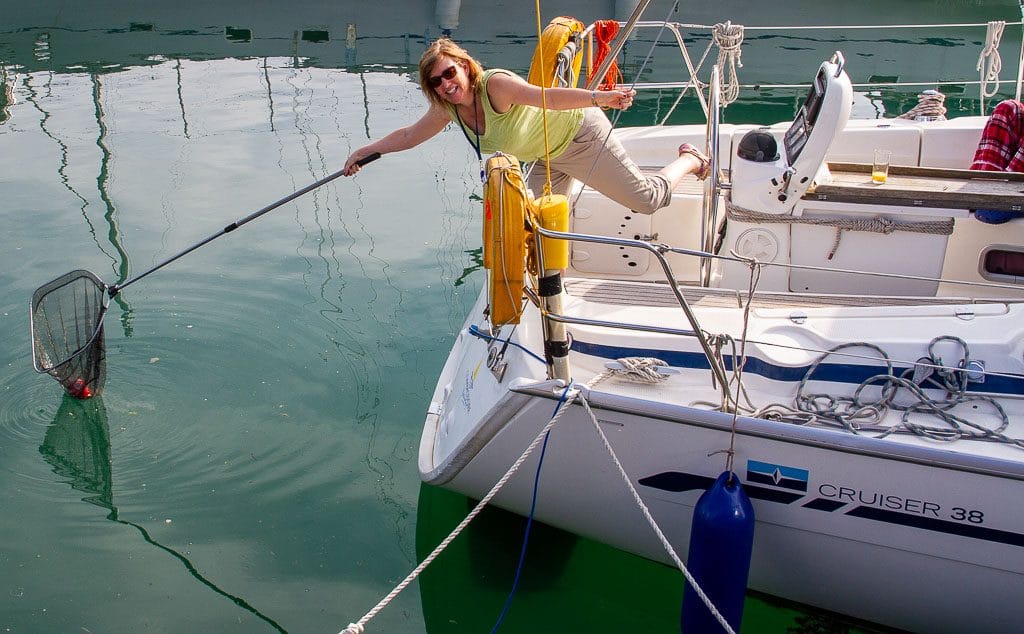
We drop the hook in Langstone Harbour for lunch. The tide is still flooding so we have plenty of water under the keel. I anchor with enough scope for the conditions and kill the engine.
Lunch on a day in the life RYA instructor is never just lunch. It is a floating classroom. While everyone eats their sandwiches, I pull out the tidal diamonds from the chart and walk through the calculations for our afternoon passage. We need to be back at the marina by 17:30, which means entering Portsmouth Harbour around 17:00 to catch the last of the flood. The ebb starts at 1500 at the Owers, which means the stream will turn in the eastern Solent around 1430. We have a window of about three hours of workable tide before it pushes against us.
I make each person calculate part of the passage. Work out the time we need to leave Langstone. Work out the course to steer allowing for the predicted tidal stream. Compare answers. This is the part of the day when the theory clicks for most people. They have been reading Reeds and studying tidal curves at home. Standing in the cockpit with the chart and a real destination makes it make sense.
A day in the life RYA instructor includes moments like this. Seeing the expression change when someone realises they can actually do this. That they can plan a passage. That the tidal stream is not an abstract number in a textbook but a real force they have to account for.
Afternoon session
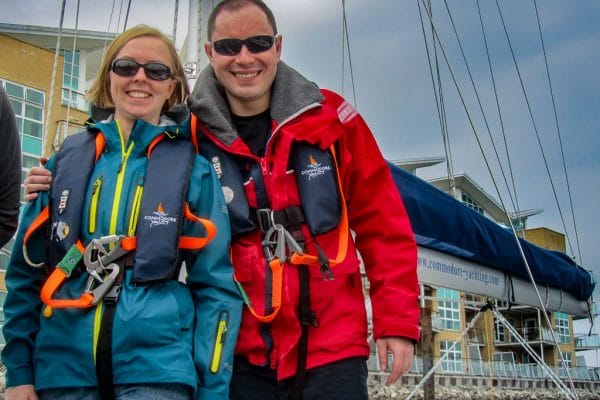
Anchor up at 1315. We motor clear of the anchorage and set the sails again. The afternoon plan is a navigation exercise. I give each student a waypoint to steer to, with a time limit and safety constraints. The idea is not speed. It is accuracy. Can you hold a course? Can you fix your position? Can you identify the buoy you are approaching before you get there?
A day in the life RYA instructor picks up pace in the afternoon. Students are tired by now, especially in the summer when the day is long and the sun is hot. Tired people make mistakes. Teaching tired people to still make good decisions is part of the job.
We run through MOB drills. The first one takes seven minutes from the shout to getting the boat back alongside the fender. Not great. The second one takes four. The third takes just over two. Improvement is visible.
I debrief each drill in the cockpit while the next person sets up. The key with MOB is not just getting the boat back. It is getting back to the right spot with the boat under control and the crew knowing their jobs. By the third run they are anticipating the sequence instead of reacting to it. That is the shift we look for.
By 1530 we are tacking back west toward Portsmouth. The wind has backed a bit and increased to 16 knots. The boat is heeling more. Two of the crew are loving it. One is looking less comfortable. I shorten sail slightly, reefing the main a couple of turns. Not because the boat needs it, but because I want the uncomfortable student to stay engaged. If they are scared, they stop learning. A day in the life RYA instructor includes managing the energy and comfort of five different people simultaneously while also managing the boat and the navigation.
Between the drills we push on with the navigation exercise. Each student takes a leg, plots a course, accounts for the tidal stream, and calls the next buoy or transit. I sit back and let them make the calls unless they are about to put us in danger. The mistakes they make now become the lessons they remember later.
We radio Portsmouth Harbour control for permission to enter. The VHF call is nerve-wracking for most students the first time. They worry about getting the format wrong or being told off. I have them all practice the call in the cockpit before we transmit. By the time we reach the entrance, one of them is confident enough to make the actual call. It goes fine. Harbour control does not yell at anyone.
Evening: debrief and next day planning
Alongside at 1720. The engine is off, shore power is plugged in, and the students go below to pack their kit while I start the washdown. Fresh water over the deck, the stanchions, the cockpit seats. Salt gets everywhere on the Solent and if you leave it, it stays.
Washing a Bavaria 38 takes about twenty minutes if you do it right. Deck, cockpit, coamings, windows. Salt leaves a white film that dulls the gelcoat over time. The students usually offer to help and I let them. It is part of the package. On a course with us you learn everything including looking after the boat.
The debrief happens in the cockpit with a cup of tea. I go around the group one by one. What went well. What needs work. What we will focus on tomorrow. A day in the life RYA instructor does not end when the lines are tied. The debrief is where the learning consolidates. Students remember what they did wrong only if you give them a chance to process it.
Tomorrow’s plan: a passage to Cowes and back, weather permitting. If the forecast holds, we will have a beat across the Solent, a stop in the Medina, and a reach back with the tide. I talk through the outline. They will do the detailed passage plan tomorrow morning before we leave.
The students drift off toward the car park. I finish logging the day in the ship’s log, note the engine hours, check the fuel gauge, and lock up. A day in the life RYA instructor is done for today. I am back at 7:30 tomorrow.
What makes the job worthwhile
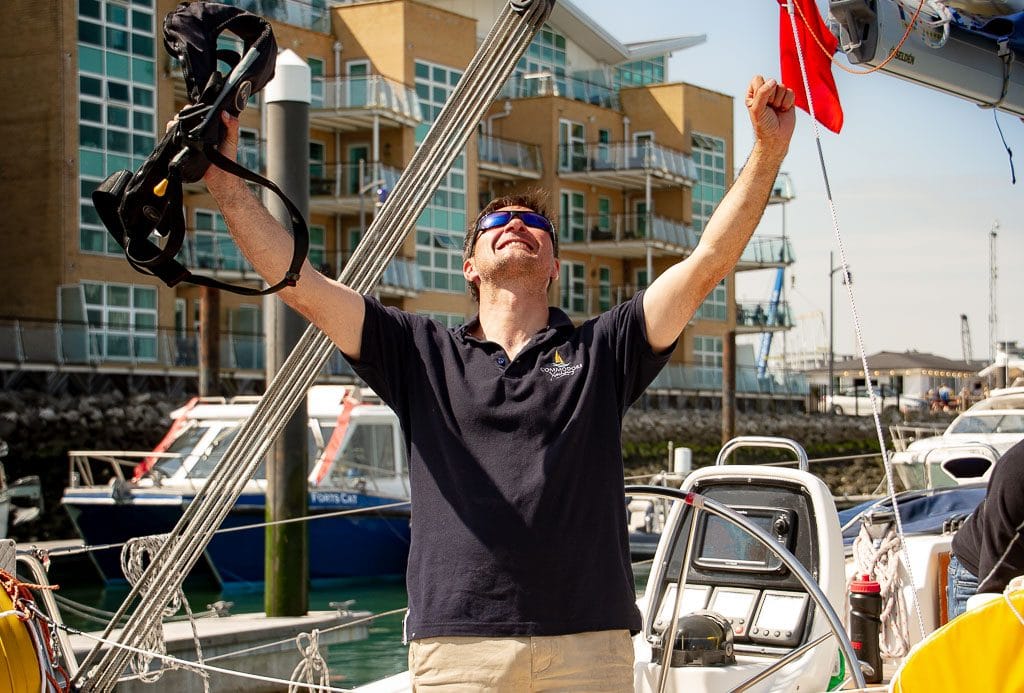
People ask me why I do this job. It is not for the money. Sailing instruction in the UK pays okay but nobody gets rich. It is not for the lifestyle either. Early starts, unpredictable weather, long summer days, and winter months where the Solent looks like grey porridge.
But there are moments. A student who arrives on Friday barely able to steer a straight line and by Sunday is planning a passage across the Solent independently. Someone who was nervous about capsizing on day one and is cracking jokes at the helm by day three. The look on someone’s face the first time they take the wheel of a thirty-eight-foot yacht, feel it respond, and realise they are the one driving.
A day in the life RYA instructor is full of small victories. Not grand dramatic moments. Just consistent progress. A slightly better tack than yesterday. A mooring approach that did not need corrective engine work. A VHF call made without prompting.
I have been teaching sailing for over a decade. Every day in the life RYA instructor is different. Tides change. Weather changes. People change. But the core of the job stays the same: take someone who wants to learn, put them on a good boat in a good sailing area, and give them the tools to become a competent sailor.
Meet the team Tom and Jonno to read more about who runs Commodore Yachting. If you want to know what our instructors do outside teaching, that is worth a read too. And if this day sounds like something you want to be part of, our sailing courses page has the full list. The RYA Day Skipper practical skills weekend is the most common starting point.
Frequently asked questions
What time does a day in the life RYA instructor start?
A day in the life RYA instructor on a practical course starts between 7:00 and 8:00, depending on the course. Day Skipper courses usually start at 8:30 with the briefing. Instructors arrive earlier to prepare the boat, check engines, and review the weather and tides.
How many students are on a typical course?
Maximum four students per instructor for practical courses, sometimes less. The instructor-to-student ratio is set by the RYA, and we stick to it. A day in the life RYA instructor involves working with small groups so each person gets enough helm time.
Do instructors get breaks during the day?
Sort of. Lunch is a break in the sense that we stop sailing and eat. But it is also a teaching opportunity. A day in the life RYA instructor does not have many moments when you are not teaching, assessing, or planning. Even the walk to the car at the end of the day often involves a student catching up with one last question.
What qualifications do RYA instructors need?
An RYA Yachtmaster Instructor has completed the Yachtmaster Offshore certificate, the RYA Instructor course, and a powerboat instructor qualification. Most of us have thousands of sea miles and years of experience before we teach. A day in the life RYA instructor is built on a foundation of real sailing competence.
What is the hardest part of the job?
Managing five different personalities in a confined space on a moving platform. Teaching sailing is easy. Teaching people to sail while managing tiredness, weather, tides, and group dynamics is harder than most people expect. A day in the life RYA instructor requires patience, flexibility, and the ability to read a room quickly.
Where can i find more about RYA training?
The RYA website has the full syllabus for every course. For more about what training at Commodore Yachting looks like in practice, browse our sailing courses.
This guide was written by Tom and Jonno, RYA Yachtmaster Instructors and joint owners of Commodore Yachting.


