
Day skipper vs coastal skipper: understanding your options
Choosing between the RYA Day Skipper and RYA Coastal Skipper is one of the most common decisions sailors face as they progress through their training. We help students with this choice regularly at Commodore Yachting, and the answer depends on your sea time, confidence, and long term goals. Both courses represent significant milestones in your sailing career, but they serve different stages of development. This guide breaks down everything you need to know to make the right choice.
Where do these courses fit in the RYA pathway?
The Royal Yachting Association (RYA) training framework follows a logical progression: Competent Crew teaches you to be an effective crew member, Day Skipper teaches you to skipper a yacht in familiar waters by day, and Coastal Skipper prepares you for extended coastal passages including night sailing. Beyond Coastal Skipper lies Yachtmaster, the professional level. Understanding where Day Skipper and Coastal Skipper sit in this pathway helps clarify which course matches your current experience.
What the RYA day skipper course covers
The RYA Day Skipper Practical course is designed to transform you from crew member to confident skipper. Over five intensive days, you’ll take command of a Bavaria yacht and learn to plan and execute passages in familiar waters during daylight hours. The course is intensely practical, you’ll spend most of your time on the water, putting theory into practice.
Day skipper course content
- Passage planning: Preparing a full passage plan, weather routing, tidal height and stream calculations, and pilotage notes for Solent destinations
- Navigation: Chart work, position fixing, compass bearings, GPS and chartplotter use, log keeping, and collision regulations
- Boat handling: Berthing alongside and stern-to, picking up mooring buoys, man overboard recovery, anchoring, and sailing in confined spaces
- Skippering: Briefing and managing crew, decision making under pressure, delegation, and maintaining safety onboard
- Safety: Mayday and distress procedures, flare handling, life raft drills, fire fighting, and risk assessment
Day skipper course: sample day-by-day
Day 1: Arrive at Premier Gosport Marina at 0900. After introductions, your instructor covers yacht orientation, safety briefing, and engine checks. You’ll depart the marina and spend the day practising boat handling under power, sail setting, and basic manoeuvres in the eastern Solent. Evening debrief and passage planning for the next day.
Day 2: Full day passage to Cowes or Yarmouth. You take the helm for departure, practise tidal calculations, and navigate using both paper charts and electronic aids. Berthing practice alongside in a marina. Evening lecture on collision regulations.
Day 3: Passage planning exercise. You plan and execute a trip to Chichester Harbour or Portsmouth. Focus on pilotage techniques, use of transits and clearing bearings, and marina berthing. Man overboard drills in the afternoon.
Day 4: Longer passage to Lymington or through Hurst Narrows. Navigation in stronger tidal streams. More advanced boat handling: anchoring, picking up a mooring, and heaving-to. Evening exam preparation.
Day 5: Independent skippering, you plan and execute a passage with minimal instructor input. Followed by a full debrief, feedback, and certificate issue if successful. Depart at 1700.
Who is day skipper for?
Day Skipper is ideal for sailors who have completed Competent Crew (or have equivalent experience), hold the Day Skipper Theory certificate, and have at least 5 days at sea with 100 logged miles. If you feel confident as crew but want to step up and take responsibility, this is your course. It’s also the natural next step for anyone considering a future Yachtmaster qualification.
What the RYA coastal skipper course covers
The RYA Coastal Skipper course is a significant step up in difficulty. Over five days, you’ll undertake passages of up to 60 miles, navigate at night, and handle the yacht in more demanding conditions. This course is designed to produce a skipper capable of running a yacht on extended coastal passages with confidence.
Coastal skipper course content
- Advanced passage planning: Multi-day passage plans, fuel and water management, tidal gate timing, and contingency planning
- Night navigation: Night pilotage, use of navigation lights, light recognition, and night-time collision avoidance
- Heavy weather sailing: Reefing strategy, storm sails, heaving-to, lying a-hull, and deploying a sea anchor or drogue
- Advanced boat handling: Berthing in strong wind and tide, emergency steering, and disabled crew procedures
- Command and leadership: Managing a crew under pressure, crisis management, and taking command in emergencies
Coastal skipper course: sample day-by-day
Day 1: Join at Gosport Marina, safety briefing, yacht preparation, and equipment checks. Depart morning and sail west toward the Needles. On return, evening navigation exercise covering chartwork and position fixing in reduced visibility. Night navigation briefing.
Day 2: Day passage to Poole or Weymouth (approximately 50 miles). Tidal gate timing through Hurst Narrows. Navigate using secondary ports and tidal diamonds. Evening arrival, alongside berthing, and passage planning for the return.
Day 3: Return passage with night departure. Navigate through the Solent after dark, identifying navigation lights and using the yacht’s instruments for pilotage. Arrive Gosport late evening. Debrief and feedback.
Day 4: Heavy weather day. Sail in challenging conditions with reefing practice, storm sail drills, and heavy weather boat handling. Emergency exercises including man overboard at night and engine failure drills.
Day 5: Independent command. You plan and execute a passage as skipper with your instructor as observer. Full passage plan, crew briefing, navigation, and boat handling assessed. Final debrief and certificate issue.
Who is coastal skipper for?
Coastal Skipper is designed for Day Skipper graduates who want to push further. You need at least 15 days at sea, 300 logged miles, and significant night experience before starting. This course is for sailors who want to skipper longer coastal passages, charter yachts abroad, or progress toward the Yachtmaster Coastal or Yachtmaster Ocean qualifications. It’s also ideal for anyone who plans to sail at night regularly or undertake extended Solent-to-West Country passages.
Prerequisites compared
The entry requirements for each course reflect the level of experience needed. Here is a direct comparison:
| Requirement | Day Skipper | Coastal Skipper |
|---|---|---|
| Prior certification | Competent Crew + Day Skipper Theory | Day Skipper Practical |
| Sea time | 5 days | 15 days |
| Logged miles | 100 miles | 300 miles |
| Night experience | Not required | 4 hours (2 night passages) |
| Tidal experience | Basic | Extensive tidal passages |
If you meet Day Skipper prerequisites but are close to Coastal Skipper level, we recommend completing Day Skipper first. The course builds confidence and consolidates your skills before advancing to the more demanding Coastal Skipper syllabus.
Cost comparison
Pricing varies by season and availability. At Commodore Yachting, our Day Skipper Practical course is priced competitively for a five-day liveaboard experience including tuition, yacht use, and onboard accommodation. The Coastal Skipper course is typically priced higher due to the extended passages, night sailing with harbour fees, and more demanding instructor ratio requirements. We also offer course discounts and late-notice bargains throughout the season. Check our course calendar for live pricing and availability.
Skills learned: day skipper vs coastal skipper
By the end of day skipper, you will:
- Skipper a sailing yacht on daylight passages of 20–30 miles in familiar waters
- Prepare and execute a passage plan using tides, weather, and chart data
- Berth the yacht alongside and stern-to in marina and harbour settings
- Handle the yacht safely in winds up to Force 5–6
- Manage a crew and delegate tasks effectively
- Respond correctly to emergencies including man overboard and engine failure
By the end of coastal skipper, you will:
- Skipper a yacht on extended coastal passages up to 60 miles, including at night
- Navigate confidently in darkness using lights, instruments, and traditional methods
- Handle the yacht in heavy weather with appropriate sail reduction and storm tactics
- Plan and execute multi-day passages with fuel, water, and victualling management
- Take command in emergency situations and manage crew under stress
- Berth in challenging conditions with strong tide, wind, and restricted space
How to decide: which course is right for you?
Ask yourself these questions to determine the right path:
Choose Day Skipper if:
- You have completed Competent Crew and hold Day Skipper Theory
- You have fewer than 10 days’ skippered experience at sea
- You want to build confidence as a skipper before tackling harder conditions
- You plan to skipper friends and family on day sails in the Solent or similar waters
- You are working toward Yachtmaster but want a structured stepping stone
Choose Coastal Skipper if:
- You already hold Day Skipper and have logged over 15 days and 300 miles
- You have some night sailing experience and want to formalise it
- You plan to charter yachts abroad or undertake extended coastal passages
- You’re aiming for Yachtmaster Coastal or Yachtmaster Offshore certification
- You want to skipper in more demanding conditions, including night passages
Not sure? Come and chat with us. We can assess your logbook, discuss your experience, and recommend the right course. Phone 023 9250 4443 or contact us online.
Career progression after each course
After Day Skipper: You can skipper a yacht on day passages in familiar waters. Many graduates go on to charter yachts in the Solent, gain more sea time, and progress toward Coastal Skipper. Day Skipper is also the first step toward Yachtmaster Coastal for those pursuing professional qualifications.
After Coastal Skipper: You can confidently skipper extended coastal passages including night sections. This qualification is widely recognised by charter companies worldwide and is the final stepping stone before Yachtmaster Coastal or Yachtmaster Offshore. Coastal Skipper graduates can consider commercial endorsements and professional skippering careers.
Both Day Skipper and Coastal Skipper are recognised internationally and held in high regard by charter companies, yacht clubs, and maritime employers.
Training in the solent: the ideal classroom
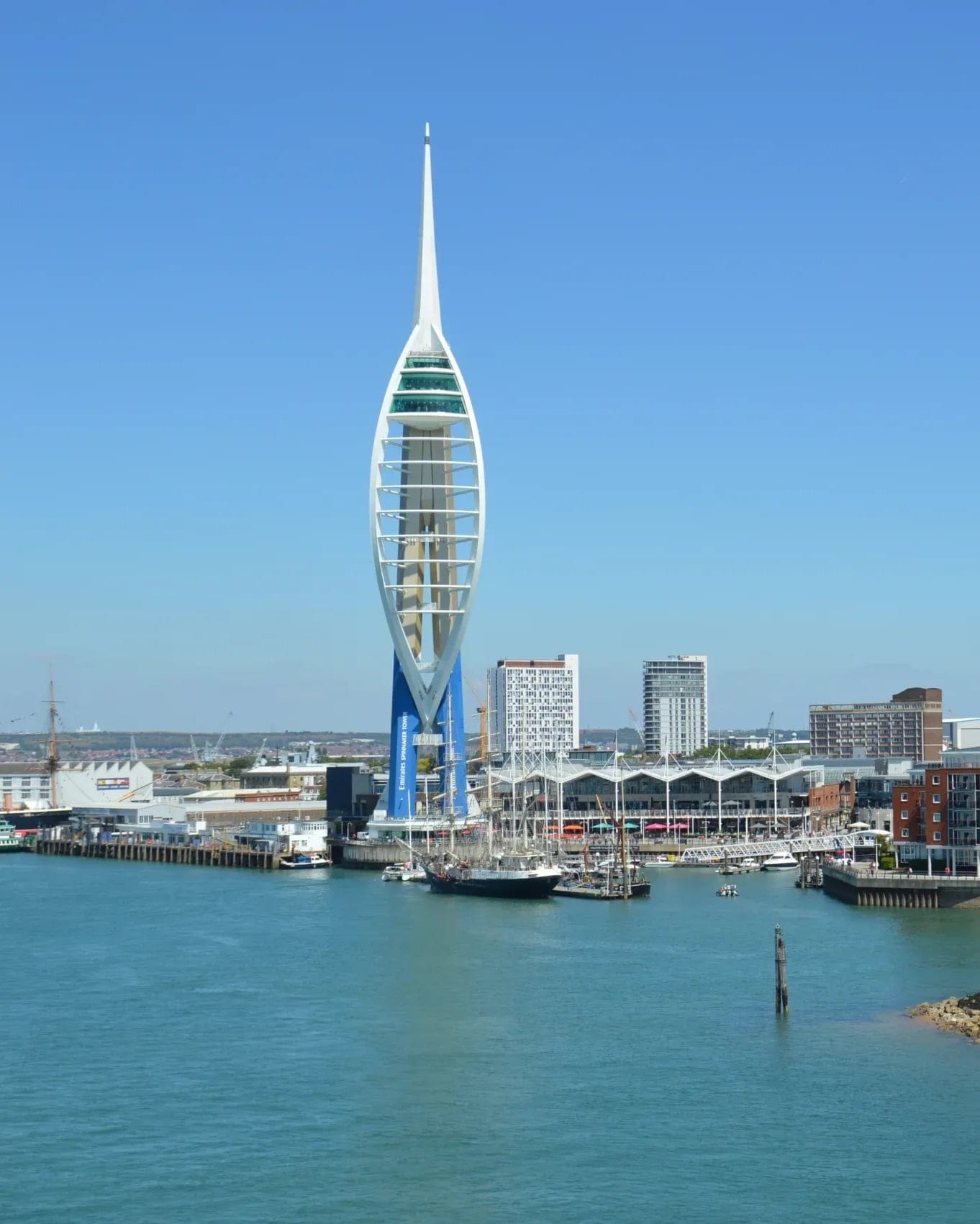
All our practical courses run from Premier Gosport Marina in the Solent, one of the best training grounds in the UK. The Solent offers challenging tides, busy shipping lanes, varied harbours, and multiple port options within a day’s sail. It’s no coincidence that the UK’s best sailors train here. Our Solent sailing routes give you exposure to real-world conditions that build genuine competence.
Final thoughts
Choosing between Day Skipper and Coastal Skipper comes down to your current experience and where you want to go. Day Skipper is your first command, the moment you stop being crew and become skipper. Coastal Skipper is the next level, preparing you for longer passages, night sailing, and more demanding conditions. Both courses are rewarding, challenging, and taught to the highest standard at Commodore Yachting. If you’re unsure which course suits you, bring your logbook down to Gosport Marina and we’ll help you decide.


