
The dreaded diesel bug
Diesel bug is one of those problems that every boat owner hopes they will never face, but too many do. If you have spent any time in a Solent marina bar, you have almost certainly overheard someone recounting the tale of an engine that failed at the worst possible moment. It is a common issue, but with the right knowledge it is also entirely preventable. In this guide, we share the practical steps we take at Commodore Yachting to protect our fleet, and what you can do to protect your own yacht.
What is diesel bug and why is it a problem for Solent boaters?
Diesel bug is a microbial sludge that thrives in the water-fuel interface at the bottom of your yacht’s fuel tank. Contrary to its name, it is not a single pest but a colony of bacteria and fungi that flourish in the presence of water, often introduced through condensation or leaky deck filler caps. For Solent sailors, where weather fluctuates between warm summers and cold winters, this creates a perfect breeding ground. Left unchecked, diesel bug clogs fuel filters, disrupts engine performance, and can lead to costly repairs, potentially ruining a weekend sail across the Bramble Bank or a holiday in Portsmouth’s marinas.
At Commodore Yachting, our Gosport-based RYA Training Centre has encountered diesel bug challenges over our 30+ years of Solent sailing. Our fleet, operating from a high-traffic marina with fresh diesel deliveries, rarely faces issues due to rigorous maintenance. However, we have seen the havoc diesel bug can wreak if ignored. This guide, rooted in our RYA-accredited expertise, outlines how to prevent and cure diesel bug, ensuring your vessel remains ready for tidal navigation in the Solent.
Why diesel bug thrives in Solent yachts
Diesel, refined from crude oil, is a reliable fuel for leisure vessels, offering economy and safety at sea. It is widely available at marinas across Gosport, Portsmouth, and Southampton. However, diesel naturally contains microscopic bacteria, and when water enters the fuel tank, through condensation during temperature swings or leaks during heavy Solent rain, these microbes multiply. The resulting sludge can block fuel lines, reduce engine power, and cause unexpected stalling, particularly problematic when navigating the Solent’s 4-knot spring tides.
The primary culprit is water contamination. Boats left idle in marinas, a common scenario for weekend sailors, are especially vulnerable. Condensation forms in partially filled tanks, creating a microbial buffet. As Jonno, our seasoned RYA instructor, says, “Preventive Planning Prevents P**s Poor Performance.”
The problem is made worse when fuel sits unused for extended periods. Diesel that remains in a tank over a sailing season or longer rarely ends well. Temperature changes between summer and winter cause condensation inside the tank, especially if it is not kept full or if the deck filler cap leaks when it rains. That water becomes food for the bacteria, and once they start feeding, they multiply fast.
Types of water contamination in diesel fuel
Understanding water contamination is key to preventing diesel bug. Water enters diesel in three forms, each posing unique challenges:
- Free Water: Visible water settling at the tank’s bottom, often from condensation or leaks. It is the primary food source for diesel bug, encouraging microbial growth that can corrode tanks.
- Emulsified Water: Tiny water droplets suspended in diesel, caused by vibrations during sailing or refuelling. This cloudy mix clogs filters and disrupts engine performance.
- Dissolved Water: Water absorbed molecularly into diesel due to its hygroscopic nature. Invisible but problematic, it can transition to free or emulsified water, feeding bacteria.
For Solent sailors, where tidal currents and weather demand reliable engines, addressing all three types is critical. Our RYA diesel engine course in Gosport teaches practical techniques to manage water contamination, ensuring your yacht meets EN590 fuel quality standards.
How do you know if diesel bug has moved in?
Spotting diesel bug early can save you from costly repairs and downtime. Common symptoms include:
- Engine revs fluctuating erratically, sounding unhealthy.
- Reduced engine power, distinct from tidal resistance in areas like the Bramble Bank.
- Sudden engine stalling after stuttering revs.
- Failure to start, despite the engine turning over.
- Fuel filters clogged with brown (live diesel bug) or black (dead diesel bug) sediment.
- Water or gunk in the fuel filter bowl.
If you notice brown sludge on equipment or filters clogging faster than usual, act immediately. Blocked filters protect your engine from sludge, but delays can lead to severe damage. Our RYA diesel engine course equips you with diagnostic skills to identify these issues during routine maintenance.
Prevention: stop diesel bug before it starts
Prevention is better than cure, especially in the Solent’s demanding conditions. Here is how to keep your fuel tank bug-free:
- Keep Tanks Topped Up: Maintain full fuel tanks year-round to minimise air space and condensation. This is particularly effective in winter, when temperature swings in Chichester Harbour exacerbate water buildup.
- Use Diesel Bug Killer Additives: Products like Fuel Set, used at Commodore Yachting, are biocides that kill bacteria and disperse water. Add at a 2000:1 ratio (2ml per 2 litres of diesel) as per manufacturer guidelines. These are affordable and available at chandlers in Southampton and Gosport.
- Sail Regularly: Frequent use prevents fuel stagnation. Take your yacht out, using the full rev range to keep the engine and fuel system active. For weekend sailors, our RYA sailing courses will boost your confidence on the water.
- Regular Maintenance: Change fuel filters annually and inspect for water or sludge. Drain water from filter bowls before each trip. Our RYA diesel engine course teaches these checks as part of engine care.
- Tank Dryers for Small Vessels: For smaller yachts, tank dryers with silica gel absorb free water. While not suitable for large tanks, they are a practical interim solution for leisure boats in Portsmouth marinas.
Diesel bug killer additives
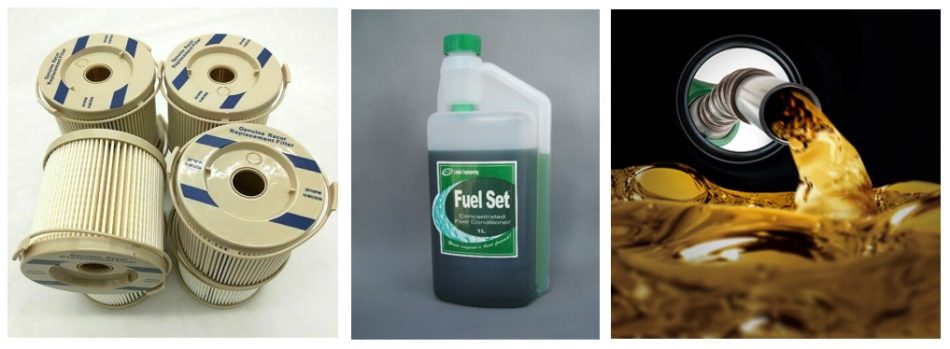
Working in conjunction with the measures above, we recommend the use of a diesel bug killer. There are plenty of products on the market, all of which work in a similar way, and they are not expensive. Any chandler will stock suitable diesel bug killer.
These are fuel additives, and for an average boat fuel tank you use them at a ratio of roughly 2000:1 (or as advised by the manufacturer). For every 2,000ml (2 litres) of fuel, you use 2ml of additive. It is potent stuff. The main thing to consider is also getting rid of any water in the fuel tank, as this is food for the diesel bug. Using a diesel bug killer like Fuel Set works well as it also disperses the water, which is then collected in the fuel filters and drained away during regular engine inspections.
What we do
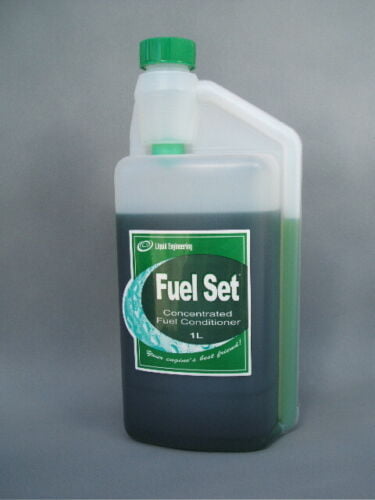
At Commodore Yachting we treat all our diesel tanks with Fuel Set each time they are filled up. Most of the fuel in our tanks does not stay in there long due to how hard our yachts work each year, so we do not tend to experience much of a problem with diesel bug. But we have done in the past, and it can cause a lot of issues. We are fortunate that our base marina has fresh diesel deliveries every few days, so the fuel is nice and fresh and is not sitting around in their tanks for weeks on end.
We learned that the moment you think you have a problem, it is usually too late. So it is best to take preventative measures, even if you think your boat is unaffected, you never know.
Limitations of water absorbers
Water absorbers, while useful, only target free water at the tank’s bottom. They cannot address emulsified or dissolved water, which bacteria thrive on. Relying solely on absorbers leaves your fuel vulnerable. Instead, combine them with biocides and regular filter checks for comprehensive protection.
The cure: tackling a diesel bug infestation
If diesel bug has taken hold, swift action is essential to avoid engine damage. Start by nuking the fuel tank with a heavy dose of diesel bug killer. Then change the fuel filters, check for water in the bottom of the fuel filter glass bowls, and go from there. Follow these steps:
- Shock Dose with Biocide: Administer a high dose of diesel bug killer to eliminate active microbes. Follow manufacturer instructions for safe application.
- Replace Fuel Filters: Swap out clogged filters immediately. Check glass bowls for water or gunk, draining as needed.
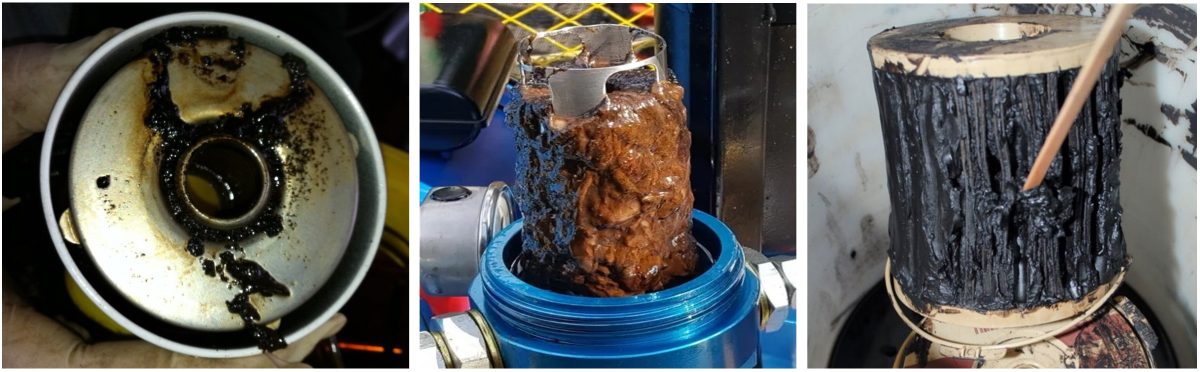
- Monitor Filter Condition: Black “coffee grind” sediment indicates dead diesel bug, showing the biocide is working. Continue replacing filters regularly until no sediment appears.
- Professional Fuel Polishing: For severe contamination, hire specialists to steam-clean the tank and filter the fuel. This removes water, sludge, and microbes, restoring fuel to EN590 standards. Our Gosport-based team can recommend trusted local services.
- Refill and Treat: After cleaning, refill with fresh diesel and add a shock dose of biocide to prevent recurrence.
Also keep a regular check on your fuel filters. If you see what looks like a lot of black “coffee grinds” in your filters, that is dead diesel bug, the treatment has worked. You just need to make sure you change the filters regularly so they do not get clogged up and stop the engine. Once you notice a lack of black sediment in your filters, you have most likely dealt with the problem. Stick to the prevention steps above and you should be fine.
Summary
Prevention recap
- Keep your fuel tank topped up at all times.
- Use a good quality diesel bug killer, ideally one that also disperses water.
- Maintain your engine regularly, including changing fuel filters each year without exception.
- Go boating more often!
Cure recap
- Nuke the tank with a shock dose of diesel bug killer.
- Change fuel filters regularly, each time you go boating before leaving the pontoon.
- Drain the fuel filters of any dispersed water each time you go boating.
- Worst case, employ a specialist company who can clean out your fuel tank and polish your fuel.
- Remember that prevention is better than cure!
The main thing is not to worry excessively. It is mostly a case of being disciplined with maintenance and ensuring each time you fill up, you add a bit of bug killer before you fill up. It is also worth filling up from places that see a lot of traffic, they sell a lot of diesel, so their supplies are fresh and have not been sitting around for months on end.
And of course, embrace the mantra that is Jonno’s six P’s:
“Preventive Planning Prevents P**s Poor Performance”!
Keep on sailing!
The Commodore Chronicles
Why choose commodore yachting for diesel engine expertise?
With over 30 years of Solent expertise, Commodore Yachting is the South Coast’s leading RYA Training Centre. Our Gosport marina centre offers tailored courses, including the RYA Diesel Engine Course, designed to equip sailors with practical skills for fuel system maintenance. Our instructors, certified by the RYA, share real-world insights from navigating the Solent’s challenging tides, ensuring you are prepared for any scenario.
Student success story: Jane from Portsmouth completed our RYA Diesel Engine Course and now confidently maintains her yacht’s fuel system, avoiding diesel bug issues during her weekend sails. Join her by enrolling in our next course.
About sailing with commodore yachting
Commodore Yachting has been delivering RYA-accredited sailing courses from Gosport Marina on the Solent since 1999. Over the past 25+ years, our qualified instructors have trained thousands of students in the challenging tidal waters of the South Coast, building genuine sailing competence that transfers to any destination worldwide.
The Solent offers one of the UK’s most rewarding sailing environments. Its complex tides, diverse ports of call, and changeable weather conditions create a proper classroom. Navigating the shipping lanes near Portsmouth Harbour, picking up a mooring in Newtown Creek, planning a passage across to the Isle of Wight, every trip teaches lessons you simply cannot learn in calmer, non-tidal waters. Training here means your skills are tested in real conditions, making you a better, more confident sailor wherever you choose to cruise.
We offer courses from RYA Competent Crew through to Yachtmaster Fast Track. Our all-inclusive pricing covers tuition, accommodation on board our Bavaria yachts, all meals (full English breakfast, lunch, dinner), snacks and soft drinks, wet-weather gear and lifejacket hire, all safety equipment, and free marina berthing at Premier Marinas (worth £50–80 a night). Group sizes are capped at 5 students per course, ensuring you get proper one-to-one attention from your instructor.
Our fleet and facilities
Commodore Yachting operates a modern fleet of Bavaria cruising yachts, ranging from 36 to 44 feet in length. Each yacht is fitted with Raymarine chart plotters, autopilot, VHF radio, and full safety equipment including liferaft, fire extinguishers, and EPIRB. Our yachts are serviced annually and undergo rigorous safety inspections. Recent upgrades include new sails from Hyde Sails, new sprayhoods and stack-packs from Tecsew in Lee-on-Solent, and engine upgrades including the latest Volvo Penta D1-30 engines.
Our maintenance team works year-round to keep the fleet in peak condition. All lifejackets are serviced annually to manufacturers’ standards by factory-trained technicians. Our marina berths at Premier Gosport Marina give us direct access to the Solent and include free berthing for our students, a benefit worth £50–80 per night that most other schools do not offer.
In addition to our yachts, we provide full sets of Henri-Lloyd or similar quality wet-weather gear, Baltic automatic lifejackets with sprayhoods and lights, and all safety equipment free of charge. We also stock the boats with generous provisions, all meals, snacks, and soft drinks are included, so you can focus on sailing rather than worrying about catering.
Frequently asked questions
How long is the RYA Diesel Engine Course?
Our one-day course, held at our Gosport training centre, covers fuel system maintenance, including diesel bug prevention, in a practical, hands-on format.
What is the best diesel bug killer for Solent yachts?
We recommend Fuel Set, a biocide that kills bacteria and disperses water, used at a 2000:1 ratio. Available at chandlers in Southampton and Portsmouth.
How can I prevent diesel bug in my yacht’s fuel tank?
Keep tanks full, use a quality biocide, sail regularly, and maintain filters annually. Our RYA courses teach these practices in detail.
Do I need previous experience to take an RYA course?
No. RYA Competent Crew is designed for complete beginners. You will learn everything on the course, sail handling, deck work, safety procedures, and living aboard a cruising yacht.
How many students per course?
Maximum of 5. This gives you plenty of time at the helm and proper individual attention from your RYA-qualified instructor.
What is included in the price?
Everything. Tuition, accommodation, all meals, wet-weather gear, lifejackets, safety equipment, certificate, and marina berthing. No hidden extras.
Why the Solent is the uk’s best training ground
The Solent is widely regarded as the finest sailing training area in the United Kingdom. The stretch of water between mainland England and the Isle of Wight offers everything a sailor needs to develop genuine competence: strong tides that demand careful planning, busy shipping lanes that teach collision avoidance, a wide variety of ports and anchorages that build pilotage skills, and weather patterns that can change from flat calm to a solid Force 6 in a matter of hours.
Sailors who train in the Solent develop skills that transfer anywhere in the world. The tidal planning you learn here prepares you for cruising the Channel Islands, the coast of Brittany, or the deep waters of the Atlantic. The IRPCS knowledge you practise daily in the Solent’s traffic keeps you safe in any shipping lane worldwide.
Our base at Gosport Marina puts you right in the middle of it all. Within minutes of casting off, you are sailing in the Solent with Portsmouth Harbour, Spithead, and the approaches to the Isle of Wight all within easy reach. Gosport itself is well served by road and rail, and we recommend familiarising yourself with our joining instructions before your course starts.
About the author
Scott Drinkwater is the IT Manager at Commodore Yachting, one of the South Coast’s leading RYA-accredited training centres. Scott manages the school’s online systems, course booking platform, and digital learning resources, ensuring students have seamless access to training information and services.
For official information on RYA training standards, course content, and certification, visit the Royal Yachting Association website at rya.org.uk.
About the author
This guide was written by Tom, RYA Yachtmaster Instructor and owner of Commodore Yachting. With over 15 years of Solent training experience, Tom has taught hundreds of students from complete beginners through to Yachtmaster level. Based at Premier Gosport Marina, our team is dedicated to providing the highest standard of RYA training on the South Coast. For more information and guidance, explore our RNLI.
Subscribe to our newsletter
Stay ahead of diesel bug and master Solent navigation with our expert insights. Subscribe now for updates and exclusive offers from Commodore Yachting.
Get in touch
Ready to start your sailing journey or book a diesel engine course? Contact the Commodore Yachting team on 023 9250 4443 or visit commodore-yachting.com to browse courses and book your place. Our friendly team will help you find the right course for your experience level and sailing goals.


