
The great debate: online vs classroom RYA theory
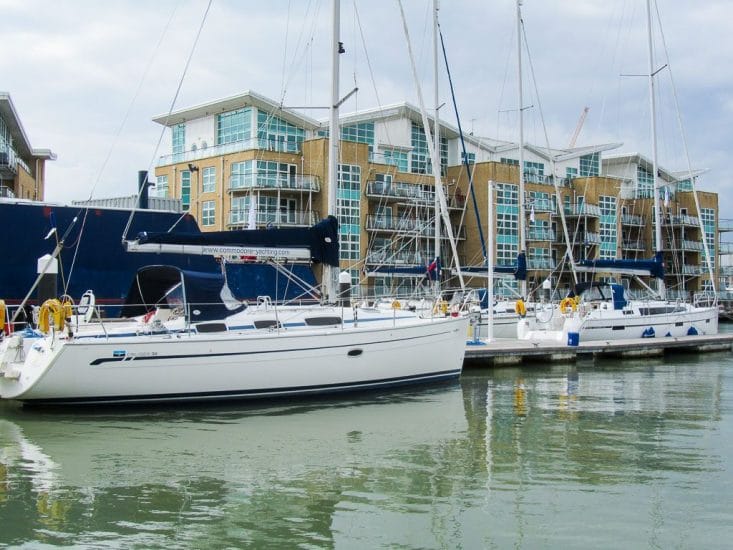
If you are researching RYA theory courses, you have probably noticed there are two ways to take them. You can study online from home, working through interactive modules at your own pace. Or you can sit in a classroom with an instructor and a group of fellow students. This choice online vs classroom RYA theory is more than a convenience question. It affects how you learn, how much support you get, and ultimately how well you perform in the exam.
We have taught RYA theory courses both ways at Commodore Yachting. Our school in Gosport runs classroom based evening courses throughout the year, and we also recommend online providers for students who cannot travel. I have seen students succeed through both routes and I have seen students struggle through both routes. The question is not which is better overall, but which is better for you.
This guide compares the online vs classroom RYA theory experience across every factor that matters: teaching quality, flexibility, cost, exam results, and the quality of support you get when you get stuck. If you are trying to decide which route suits you, this is the article to read.
How online RYA theory courses work
Online RYA theory courses deliver the same syllabus as classroom courses through a web based platform. You log in, work through modules, watch video explanations, answer practice questions, and take mock exams. The RYA approves specific online providers, so the syllabus coverage is identical to what you would get in a classroom. The key difference in the online vs classroom RYA theory comparison is how that content reaches you.
Most online platforms are structured around the RYA course book. Each chapter has video lectures, animated diagrams, and interactive exercises. You move through the material at your own speed. If you already understand navigation charts, you can skip ahead. If you struggle with collision regulations, you can spend extra time on that module. This self pacing is one of the strongest arguments in the online vs classroom RYA theory discussion.
The typical online vs classroom RYA theory experience differs most in pacing. Online, there are no fixed class times. You study when it fits your schedule. Some people finish a Day Skipper theory course in two weeks of intensive evening study. Others spread it over three months, doing one module per week. Both approaches work, and that flexibility is something a classroom schedule cannot match.
Assessment happens progressively. Most platforms auto mark your module quizzes and give instant feedback. When you consistently score above a threshold, the platform unlocks the next module. The final RYA exam is still invigilated, either at a physical test centre or via a live online proctor depending on the provider. This final exam is identical whether you took the course online or in a classroom, which makes the online vs classroom RYA theory debate about the learning journey, not the destination.
Popular online RYA theory providers include Navathome, RYA Interactive, and several school specific platforms. Course materials are typically included in the price, delivered as PDFs or through the platform itself.
How classroom RYA theory courses work
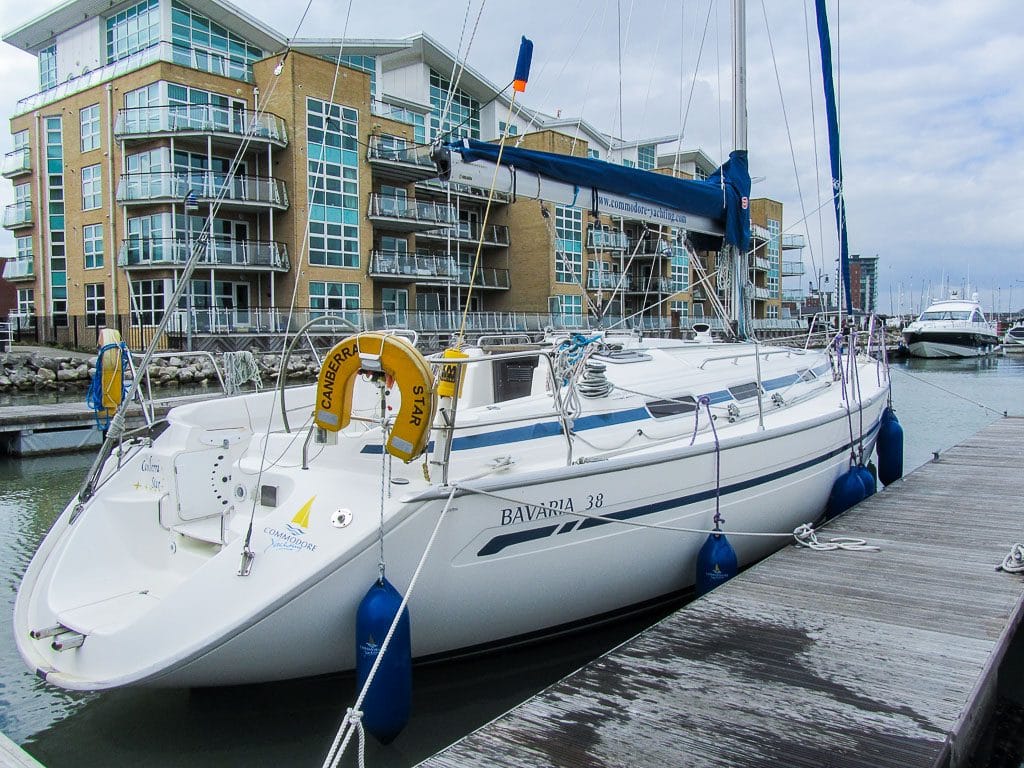
Classroom RYA theory courses run on a fixed schedule. At Commodore Yachting, our Day Skipper theory runs as evening classes, typically one evening per week for 8 to 10 weeks. Coastal Skipper and Yachtmaster theory courses run as five day intensive blocks or weekly sessions, depending on demand. Understanding the classroom format is essential for a fair online vs classroom RYA theory comparison.
You sit in a room with a qualified RYA instructor and up to maybe 12 other students. The instructor works through the syllabus using a whiteboard, charts, and a projector. There are group exercises, worked examples, and the chance to ask questions immediately when something does not make sense. The immediate feedback loop is the classroom format’s biggest advantage in any online vs classroom RYA theory comparison.
The fixed schedule is both the strength and the weakness of the classroom format. You must be in the room at a specific time every week. If you miss a session, you miss that content unless the instructor provides catch up. But the regular schedule creates a discipline that some students need. If you have ever paid for a self study course and never finished it, the classroom format might solve that problem. This is a common theme in the online vs classroom RYA theory decision process.
Instructors assign homework between sessions. The next class typically starts with a review of the homework, so mistakes get caught early. You also benefit from hearing other students questions. Someone else in the room will ask something you did not think of, and you both learn from the answer. The peer learning effect is real, and it is something online courses struggle to replicate.
When comparing the online vs classroom RYA theory formats, the classroom is the traditional route. It has been the standard for decades and many students prefer the structure it provides. The social element of learning alongside other sailors is not to be underestimated.
Comparing teaching quality and support

Teaching quality in the online vs classroom RYA theory debate depends heavily on the provider, not the format. A good instructor in a classroom is better than a poorly designed online course. A well produced online platform with great video content can be better than a tired instructor reading slides. The format is a container; the quality of what goes inside matters more.
In a classroom, you get real time feedback. The instructor sees your face when you are confused. They can rephrase an explanation, draw a different diagram, or give you a one on one example while others work on an exercise. This immediate adaptation is the single biggest advantage of classroom learning. For many students weighing the online vs classroom RYA theory options, this is the deciding factor.
Online courses handle support differently. Most platforms have email or messaging support where you can ask questions and get a response within 24 hours. Some offer scheduled Zoom drop in sessions with an instructor. A few have community forums where other students answer questions. The support gap is narrowing, but it is still a real difference in the online vs classroom RYA theory comparison.
The gap narrows significantly when online courses include live elements. For example, some providers now blend recorded content with weekly live webinars. This hybrid approach tries to capture the best of both formats and it is becoming the most popular choice for students weighing up the online vs classroom RYA theory decision. A hybrid model gives you the flexibility of online study with periodic live access to an instructor.
My experience is that motivated students do equally well in both formats. Students who need handholding or who lose momentum without external structure tend to perform better in a classroom. But I have also watched online students zoom ahead because they could study at 10pm after the kids went to bed, and that timing would never work with a scheduled class. The right answer to the online vs classroom RYA theory question depends on how you learn best.
Flexibility and pacing

Flexibility is the defining advantage of online RYA theory courses. You choose when to study. You choose how fast to progress. You choose whether to spend a whole Saturday on navigation or to do 20 minutes per day on your lunch break. This is the main reason most students end up researching the online vs classroom RYA theory question in the first place.
This matters for people with jobs, families, or irregular schedules. A classroom course that runs every Tuesday evening for ten weeks is impossible if you work shifts or travel for work. Online courses remove that barrier entirely. When people ask us about the online vs classroom RYA theory choice, schedule conflict is the most common reason they lean toward online.
But flexibility comes with a trade off. Without a fixed schedule, some students procrastinate. The course that was meant to take six weeks stretches to six months. The exam gets postponed repeatedly. The online vs classroom RYA theory choice is partly a personality question. If you are self disciplined, online works. If you need external accountability, classroom may be better.
Classroom courses also offer a compressed option. Our five day intensive theory courses pack the same syllabus into a single week. You are in the room from 9am to 5pm, working through the material with focused concentration. This suits students who want to get the theory done quickly before a practical course. You cannot get that level of immersion from an online course unless you create the structure yourself. This is another dimension of the online vs classroom RYA theory decision that people overlook.
Pacing flexibility also affects how well you retain the material. Research on learning suggests that spaced repetition over several weeks improves long term retention compared to cramming. An online course naturally encourages a spread out schedule. A five day intensive classroom course compresses everything into a short window. Both can work, but they produce different learning outcomes. Your choice in the online vs classroom RYA theory debate should account for how you learn and retain information best.
Cost comparison

Cost is where the online vs classroom RYA theory comparison changes year by year. Online courses have generally been cheaper because there is no classroom to rent, no travel costs for the instructor, and no fixed class size limits. When people search for online vs classroom RYA theory cost differences, the gap used to be wider than it is today.
As of 2026, a typical online RYA Day Skipper theory course costs between £200 and £300. Classroom courses from a reputable school like Commodore Yachting run between £350 and £450 for the same syllabus. The difference is roughly £150, which covers the instructor’s time in the room, the venue, printed materials, and tea and coffee.
But the headline price is not the whole picture. Online courses may charge extra for the exam fee, the course book, or a printed certificate. Classroom courses usually include everything. Check what is included before comparing prices. A proper online vs classroom RYA theory cost analysis needs to account for these extras.
Travel and accommodation add another layer. If you do not live near a training centre, classroom courses mean commuting or staying nearby. An evening course over ten weeks means ten round trips. A five day intensive means four nights of accommodation. These costs can easily add several hundred pounds, making online the significantly cheaper option in total cost terms. For many students, the online vs classroom RYA theory choice comes down to this maths.
There is also the question of value. A cheaper online course is not a bargain if you fail the exam and have to retake it. A more expensive classroom course is good value if it gets you through first time. The pass rate data we discuss in the next section should inform your cost calculation. Value per pound is the metric that matters more than the headline price in any online vs classroom RYA theory comparison.
Which format gets better exam results?
The honest answer is that there is no conclusive data showing one format produces better exam results than the other. The RYA does not publish pass rates broken down by delivery method. Individual schools have their own data but it is not standardised enough for a fair comparison. Anyone promising a definitive answer on the online vs classroom RYA theory exam results question is probably selling something.
What we can say from experience is that student motivation matters more than the delivery format. In the online vs classroom RYA theory pass rate debate, the student who completes every module, does every practice question, and takes mock exams seriously will pass regardless of format. The student who skips modules and guesses practice questions will struggle in either format. The format is a tool. The student is the variable that matters.
Classroom courses have a slight advantage on the support side. When a student falls behind in a classroom, the instructor notices. They can intervene, offer extra help, and get the student back on track. Online courses rely on the student to self identify and reach out for help. Many students do not do this. If you are honest that you tend to drift without someone checking on you, the online vs classroom RYA theory choice becomes clearer.
That said, online courses have improved enormously in the last few years. Modern platforms use adaptive learning algorithms that identify weak areas and suggest extra practice. Some track your progress against anonymised averages and flag when you are falling behind. These features partly compensate for the lack of direct instructor oversight. The gap in the online vs classroom RYA theory results data is narrowing as platforms get smarter.
Our recommendation is to assess your own learning style honestly. If you have completed previous qualifications through self study and did well, online will probably work for you. If you historically need a teacher and classmates to stay engaged, choose classroom. The online vs classroom RYA theory decision should be based on your past learning patterns, not on marketing claims.
Practical considerations before you decide
There are practical factors beyond teaching style and cost that should influence your online vs classroom RYA theory decision. Getting these right can make the difference between a smooth learning experience and a frustrating one.
Your practical course date. If you already have a Day Skipper practical course booked, work backwards from that date. Classroom theory courses run on fixed schedules that may not align. Online theory lets you start immediately and finish when you are ready. This is often the deciding factor in the online vs classroom RYA theory timing question.
Internet reliability. Online courses require a stable internet connection for video content and interactive exercises. If your connection is unreliable or you have limited data, classroom may be more practical. Course materials are downloadable on most platforms but assessments usually require a live connection.
Exam invigilation. Check how the final exam is invigilated for your chosen provider. Some online courses require you to attend a physical test centre. Others use live online proctoring. Classroom courses invigilate the exam in the room on the final session. Make sure you are comfortable with the invigilation method before enrolling.
Online RYA Day Skipper theory is a specific option worth considering if you are targeting that certification. It combines the flexibility of online study with the Day Skipper syllabus and is the most popular theory course we recommend for students preparing for their practical training.
Frequently asked questions
How long does an online RYA theory course take?
Most students complete an online RYA Day Skipper theory course in 40 to 60 hours of study time. Spread over a typical schedule, that is 4 to 10 weeks. Some finish in two weeks of intensive study. The platform usually gives you 12 months of access, so there is no pressure to rush. The timeline is one of the biggest factors in the online vs classroom RYA theory decision.
Can i switch from classroom to online mid course?
That depends on the provider. Our classroom courses do not have a direct transfer option, but some schools allow it if you have only missed one or two sessions. Check the terms before enrolling if you think you might need to switch. The online vs classroom RYA theory choice is usually a commitment to one format for the duration, so choose carefully.
Are online RYA theory courses recognised by the rya?
Yes, provided you choose an RYA approved online provider. The RYA maintains a list of recognised online training centres. The certificate you receive is the same RYA certificate issued to classroom students. There is no distinction on the certificate between online and classroom study, which simplifies the online vs classroom RYA theory question considerably.
Which RYA theory courses are available online?
Day Skipper theory, Coastal Skipper theory, Yachtmaster theory, and VHF radio are all available online. The full range of sailing courses at Commodore Yachting includes both theory and practical components across all RYA levels. Most of our students who ask about the online vs classroom RYA theory difference are looking at the Day Skipper level, which is available in both formats.
Do i need to buy extra materials for online study?
Most online courses include digital versions of the RYA course book, exercises, and chart plots. Some providers recommend buying a physical almanac and chart tools for practical plotting work. Classroom courses typically include all printed materials in the fee. Check what your provider includes as part of your online vs classroom RYA theory cost analysis.
What happens if i fail the exam?
Retake policies vary. Most online platforms offer a free retake within a certain period. Classroom courses may charge a retake fee to cover invigilation costs. Ask about retake policies before you enrol, regardless of which format you choose. A retake is more likely if the format does not suit your learning style, so getting the online vs classroom RYA theory decision right the first time matters.
This guide was written by Tom and Jonno, RYA Yachtmaster Instructors and joint owners of Commodore Yachting. For more information about our theory and practical courses, visit the RYA course training page or browse our course calendar at Commodore Yachting.


