
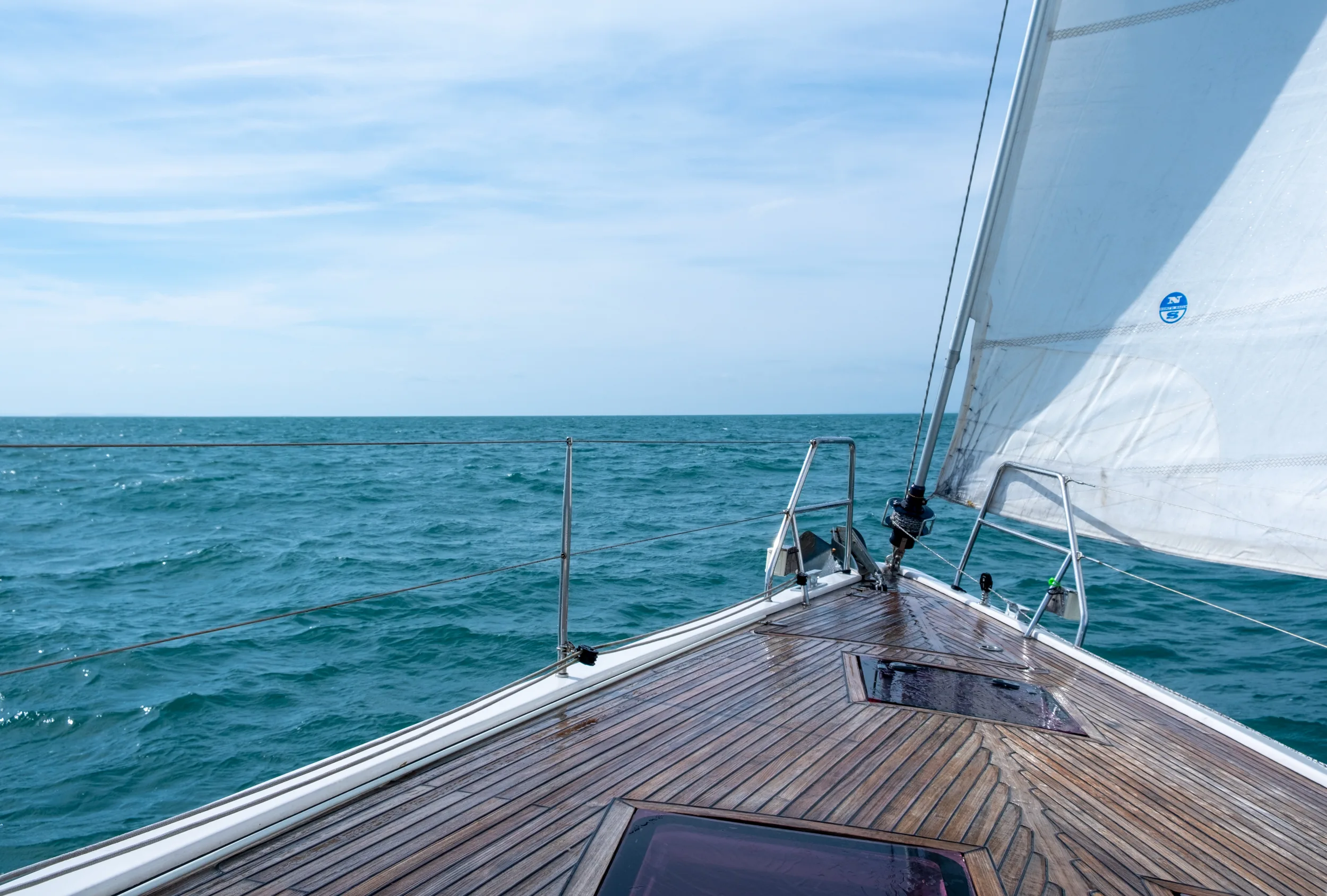
Our engineering team maintains a fleet of Bavaria yachts sailing year-round in the Solent. These sailboat maintenance tips come from decades of hands-on experience keeping charter yachts operational in one of the busiest sailing areas on the south coast. Saltwater, tidal moorings, and constant use mean components wear faster here than in more protected waters. Whether you own a yacht for weekend cruising or are training toward an RYA qualification, a well-maintained boat is a safe and reliable boat.
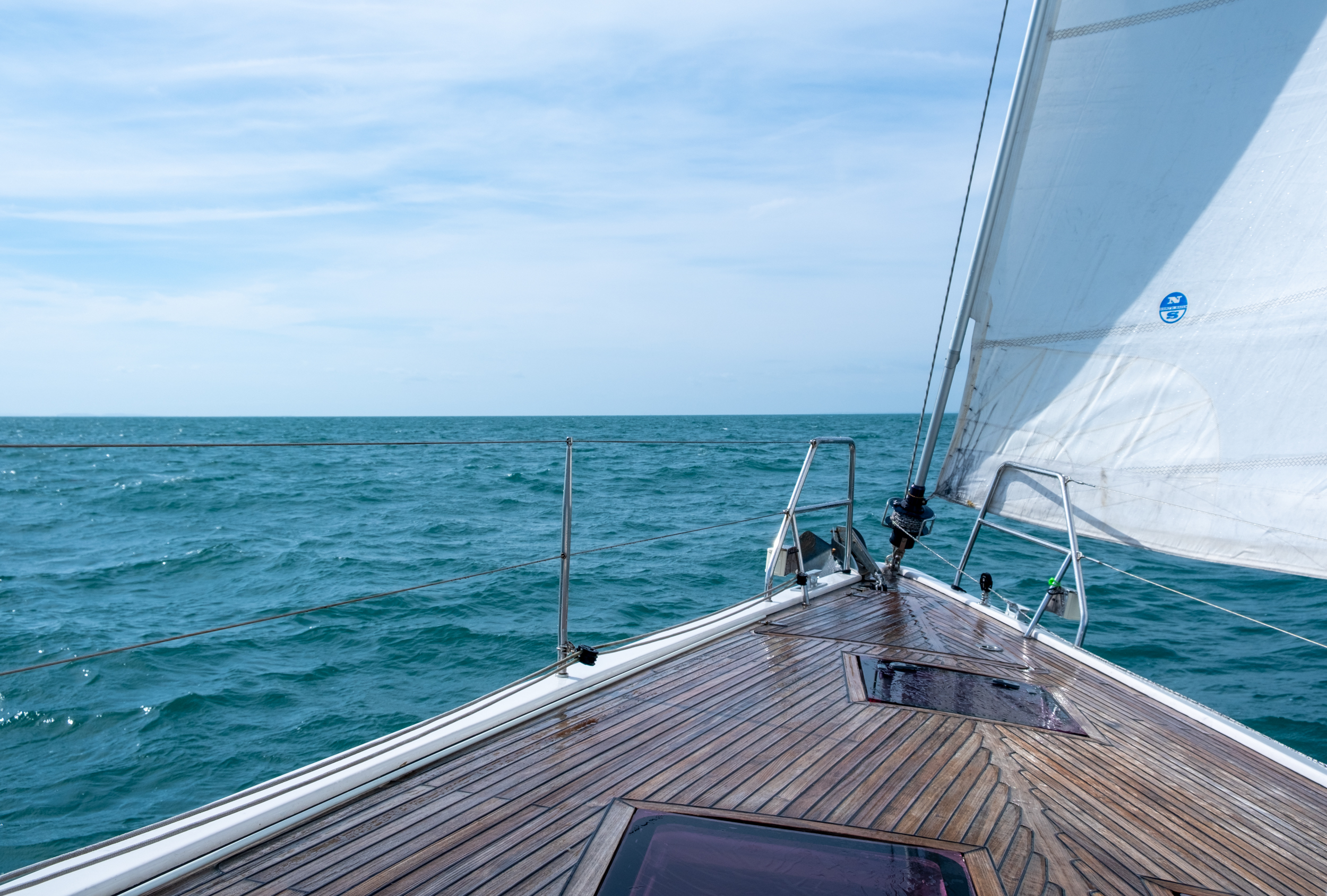
10 essential sailboat maintenance tips from our engineers
We have broken our advice into ten key areas. Some you can tackle with basic tools; others are worth discussing with a professional engineer. Every tip here comes from real-world experience maintaining a busy Solent charter fleet through all four seasons.
1. engine checks, oil, impeller, and filters
Marine diesel engines work harder than automotive engines. They run at sustained RPM in a saltwater environment that accelerates wear. Staying on top of the basics prevents the majority of breakdowns at sea. Change the engine oil and filter every 100 hours or annually, whichever comes first. Warm the engine before draining to suspend contaminants so they are removed with the old oil. Use marine-grade oil that meets your manufacturer’s specifications, for the Volvo Penta and Yanmar engines in our fleet, that means a 15W-40 or 10W-40 diesel oil. Dispose of used oil at marina collection points; never pour it overboard. The raw-water impeller is a critical but often overlooked component. Inspect it before every season and replace annually. A failed impeller can overheat the engine in minutes. Always carry spare impellers and a gasket set onboard. Check drive belts for tension, cracking, and glazing. A snapped alternator belt stops the engine from charging the batteries, and a failed raw-water pump belt leads to overheating within minutes. Carry spare belts and learn how to fit them. Fuel system maintenance deserves special attention in UK waters. Diesel bug, microbial growth in diesel fuel, thrives in the Solent damp climate. Fit a secondary fuel filter with a water separator and check it monthly. Drain any water from the primary filter bowl before every passage. Volvo Penta publishes detailed service schedules, and we recommend following them to the letter. For hands-on engine training, our RYA Diesel Engine course covers fault-finding, filter changes, belt replacement, and bleeding the fuel system.
2. rigging inspection
Standing rigging holds the mast up. Failure at sea is catastrophic. We inspect every yacht rig annually and recommend owners do the same. Look at all stays, shrouds, terminals, and swage fittings for cracks, corrosion, or deformation. Pay close attention to the mast step, spreader roots, and tangs where loads concentrate. Larger charter yachts typically need replacement every 10-12 years, but check your rigging manufacturer guidance. On our RYA Competent Crew course we teach crew how to spot rigging issues during pre-departure checks.
3. hull and anodes
Sacrificial anodes protect your propeller, shaft, and hull fittings from galvanic corrosion. Check them every haul-out and replace when 50% is wasted. Use the correct type for your mooring, zinc for saltwater, aluminium for brackish, magnesium for freshwater. Fitting the wrong type gives little or no protection. Clean the hull before every season. Marine growth adds drag, reducing speed and increasing fuel consumption by up to 20%. Check for blisters, cracking, or osmosis in the gelcoat. If you keep your boat on a drying mooring in the Solent, inspect the keel-to-hull joint carefully for impact damage.
4. sail care
Sails represent a significant investment. The biggest enemy is UV radiation, which degrades fabric even when the sail is furled. Inspect UV covers on furling sails for fraying and replace them at the first sign of wear. Check all stitching, loose or broken stitches let panels separate under load. Wash sails with fresh water after each trip to remove salt crystals. Dry thoroughly before bagging to prevent mildew. Have your sails professionally inspected and repaired every off-season. A small stitched repair in autumn prevents a blown-out sail mid-season.
5. electrical systems, batteries and wiring
Reliable electrical systems are essential for navigation instruments, radios, autopilots, and engine starting. A flat battery or corroded connection can leave you without engine start, VHF communication, or plotter data at a critical moment. Check battery terminals monthly for corrosion. Clean with a wire brush and apply dielectric grease to prevent future buildup. On batteries with removable caps, top up electrolyte levels with distilled water, never overfill. Check the voltage with a multimeter: a fully charged lead-acid battery reads around 12.7V at rest. Inspect wiring for chafe, especially where cables pass through bulkheads or near engine compartments. Vibration and heat degrade insulation over time. Pay particular attention to battery cable connections at the starter motor and isolator switch. Solar panels are an excellent addition for maintaining batteries during winter layup, we fit them across our fleet. Our RYA Day Skipper course covers essential electrical checks as part of the skipper pre-departure routine.
6. through-hull fittings
Every hole below the waterline is a potential sinking. Exercise each seacock monthly by opening and closing it fully to prevent it seizing. Double-clip all below-waterline hoses, two stainless steel jubilee clips spaced a few millimetres apart. Replace rubber hoses every five years, or sooner if they feel stiff or cracked. Check that every seacock has a wooden bung attached by a lanyard. In an emergency you may need to plug a failed hose or fitting quickly. Test the fit before you need it.
7. standing and running rigging
Running rigging, halyards, sheets, and control lines, takes constant wear from winches, clutches, and blocks. Check for chafe, fraying, and core degradation. Replace Dyneema or polyester lines when the cover becomes fuzzy or soft spots develop. Inspect splices and stitching at termination points. Keep spare warps and at least one spare halyard onboard. The RYA Yachtmaster course teaches comprehensive knowledge of rigging systems and emergency repairs.
8. deck hardware
Winches, blocks, tracks, and stanchions take a lot of abuse. Strip and grease winches annually, saltwater washes out the lubricant and grit accelerates wear. Check the pawls and springs; replace any that feel weak. Service blocks and ensure they turn freely. Rough-turning bearings indicate contamination or wear. Inspect stanchions, pulpits, and pushpits for corrosion at the base where water pools. Check that all fastenings are tight. Loose deck fittings leak water into the core and cause structural rot over time.
9. safety equipment checks
Safety equipment must work first time, every time. Set a schedule and stick to it. Lifejackets: check the gas cylinder is full, weigh it against the stamped weight. Inspect the bladder for leaks and test the auto-inflate mechanism annually. Send them to a service centre for the recommended interval service. Flares: check the expiry date on every flare. Dispose of out-of-date flares at your local marina collection point and buy replacements. Keep flares in a waterproof container accessible from the cockpit, not buried in a locker. EPIRB: test the self-test function monthly, check the manual for the correct procedure. Update your registration with the UK EPIRB database if your contact details change. Fire extinguishers: check the gauge is in the green and the safety pin is intact. Have them professionally serviced annually. Make sure extinguishers are readily accessible from the galley and the companionway. Install a gas alarm in the bilge if you have gas cooking. Liferaft: have it professionally serviced annually, do not skip this. A liferaft that has been in its valise for years may not inflate when needed. Visit RNLI Safety for guidance on safety equipment requirements.
10. winterising and laying up
Correct winter preparation saves months of spring repairs. Start with the engine: change the oil and filter before winter storage, acidic old oil attacks bearings. Fog the engine with a rust-prevention spray through the air intake. Run antifreeze through the raw-water system to prevent freezing. Drain the fresh water system completely or add potable antifreeze. Remove sails and store them dry in a ventilated space. Fully charge batteries and disconnect them, or leave them on a smart charger with a solar panel top-up. Check and replace anodes while the boat is out of the water, it is much easier than trying to do it from a tender in March. Cover the boat with a breathable cover that allows airflow, trapped moisture causes mould and mildew. Remove any valuables and open lockers to let air circulate.
Keep a maintenance log
The single best habit you can develop is keeping a maintenance log. Record every oil change, filter replacement, rigging inspection, and safety check with the date and hours run. A logbook helps you spot patterns, plan ahead, and proves maintenance history when selling the boat. The RYA publishes a recommended maintenance schedule we adapt across our fleet.
Learn more with commodore yachting
These sailboat maintenance tips are based on what we do every day managing a fleet of Bavaria yachts in Gosport. If you are not yet a yacht owner, or want to build your engineering confidence before buying, our RYA Diesel Engine course is a practical one-day course that teaches you everything from daily checks to emergency repairs. Browse all our sailing courses at Commodore Yachting or call us on 023 9250 4443 to discuss your training needs.


