Planning a sailing Solent September trip? You are not alone in thinking autumn is the best time of year on the water. The Solent crowds thin out after the school holidays, the breeze settles into something reliable, and the light turns golden over Portsmouth Harbour. For anyone considering sailing Solent September for the first time, the conditions are more forgiving than midsummer and the sailing itself is often better. We run our busiest courses through spring and summer, but ask anyone who has taken a sailing Solent September course with us and they will tell you: this is the secret season. The sea temperature peaks in September, the marinas are quieter, and you get proper wind without the summer fickle patches that leave you drifting past the forts. If you have only ever sailed here in July or August, you are missing the best of it. The Solent in September is a different world, one where you actually sail rather than motor.
Why september is a great month for sailing
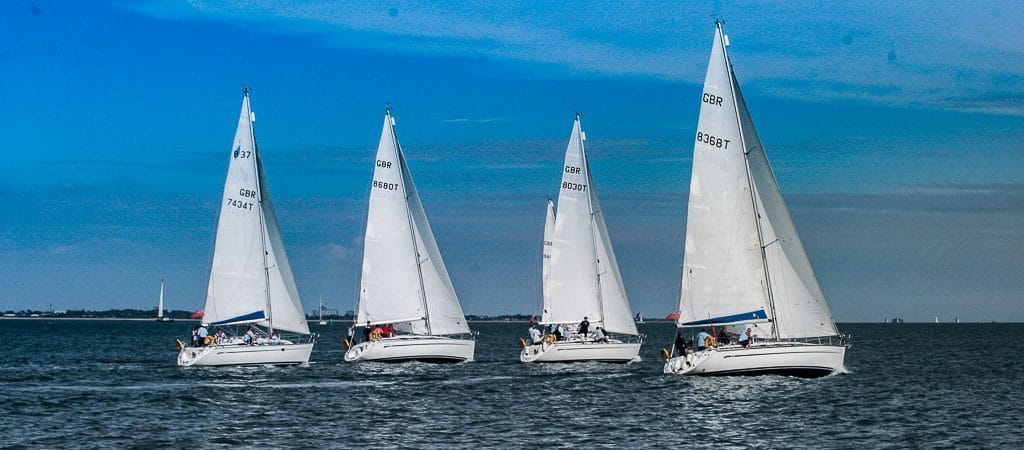
September is the sweet spot. The Solent has reliable wind all year, but September gives you the best combination of warmth, daylight, and breeze. The average wind speed sits around 12-18 knots through the month, which is ideal for both RYA sailing courses and leisurely cruising. Summer school holidays end, so the Solent is less crowded. That means more space at moorings, less queueing at the bridge in Haslar Marina, and quieter pubs ashore for a post-sail pint. For anyone planning a sailing Solent September holiday, this alone makes the month worthwhile.
We get asked about sailing Solent September conditions every year by people who worry it will be too cold. The reality: September sea temperatures hover around 16-18°C, warmer than June. The air temperature averages 15-20°C. You get the warmth without the July heat haze that makes spotting navigation marks harder. The wind tends to be steady from the southwest, and you still have over 12 hours of daylight at the start of the month.
Another reason September works: the Met Office long-range forecasts are more accurate going into autumn. The settled summer patterns break down, but that means you get clearer warning of front systems, not worse conditions. For anyone doing sailing Solent September as part of RYA training, this variety of weather makes for better learning. You get real conditions without the extremes that winter can throw at you. Our instructors rate September as their favourite teaching month because students experience more variety in a single week than they would in a month of summer sailing.
The economics work too. September course prices are often lower than peak summer rates, and availability is better. You can book a week-long course without needing to plan six months ahead. Flights and accommodation in the area are cheaper after the school holiday surcharges end. For anyone weighing up when to do their training, sailing Solent September stacks up on every measure. It is simply better value for the same or better sailing conditions.
September weather patterns in the Solent
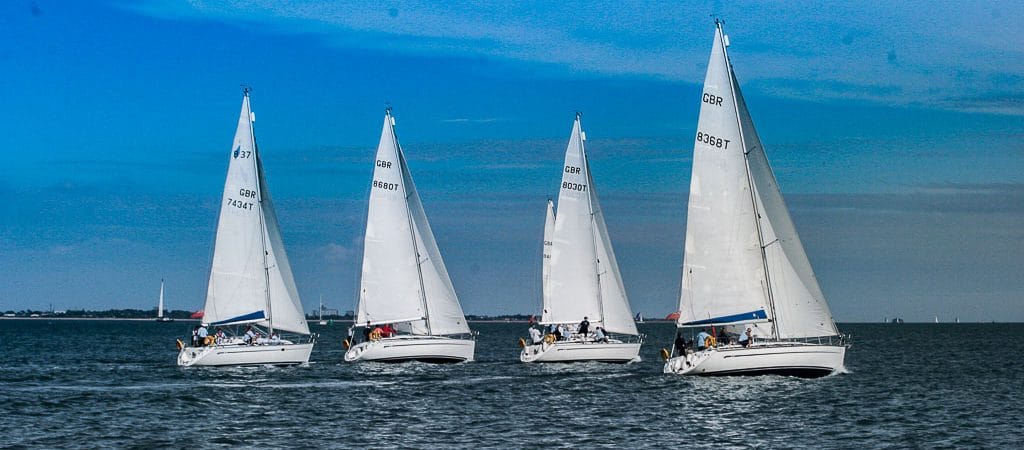
Understanding the weather is half the skill of sailing Solent September. The month sits at the transition between summer and autumn, which brings its own character. Early September often retains summer patterns: high pressure, light variable winds, and clear skies. By mid-month, the Atlantic depressions start pushing through more regularly, bringing stronger southwesterly winds and occasional rain bands that sweep across from the Needles toward Portsmouth.
The prevailing wind in September is southwest, typically force 3-5. That is ideal for beating up to Cowes or reaching across to the Isle of Wight. The key thing to watch is the depression track. If low pressure systems track north of Scotland, the Solent stays in a warm southerly flow with lighter winds. If they track further south across the UK, expect stronger winds and shorter windows between fronts. You can plan around these systems easily with the shipping forecast.
Visibility is generally good in September, but early morning mist can form over the water, especially after clear nights. This burns off by mid-morning. We recommend checking the Met Office shipping forecast for Wight or Portland, and the inshore waters forecast for the Solent before setting out. The Met Office also publishes a specific Solent forecast covering sea state, visibility, and wind speed across the area. Make checking the forecast part of your morning routine.
What sets sailing Solent September apart from summer sailing is the predictability of the breeze. Summer Solent winds are often light and shifty, especially in high pressure. September gives you a stronger, more consistent pressure gradient. You spend less time motoring and more time actually sailing. For students on RYA Day Skipper practical courses, that means more miles under sail and more hands-on helm time. The difference is noticeable from the first day of a course. You come back to the marina tired in a good way, having earned the miles.
One thing to watch in September is the potential for early autumn gales. These are rare but they happen. Late September can see the first proper low pressure systems of the season, with winds touching force 7-8. For competent crews, these are great learning days. For beginners, the skipper may choose to stay in harbour and do shore-based theory instead. Either way, the conditions build character and teach respect for the weather that summer sailing never can. This range of conditions is exactly why sailing Solent September courses are so effective.
Tides and tidal streams in september
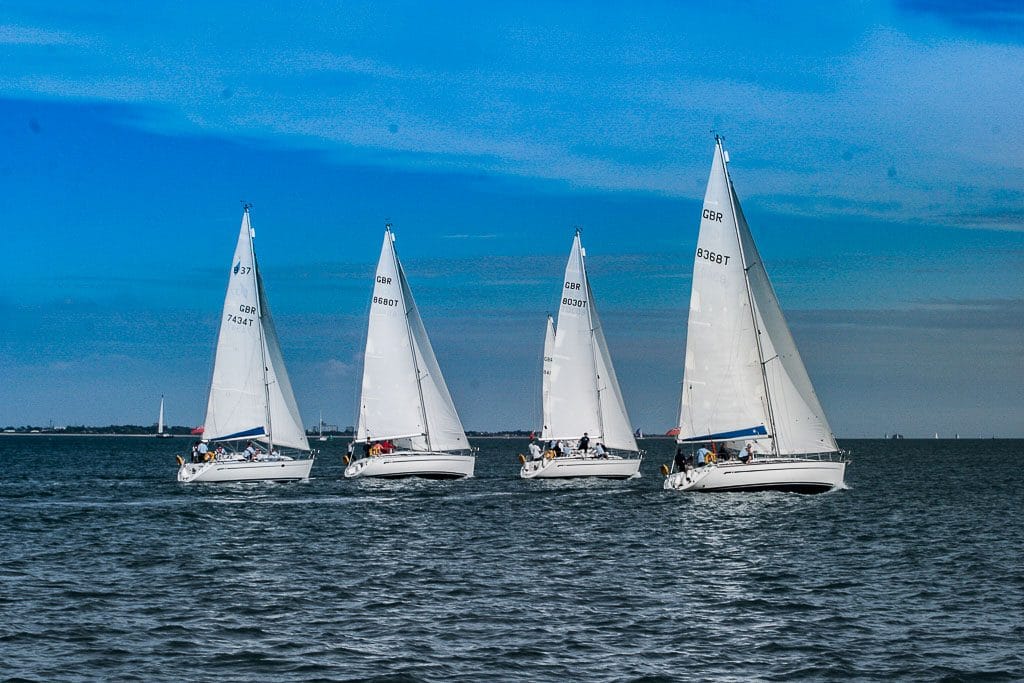
The Solent has one of the most complex tidal systems in the UK, and September is no exception. What makes sailing Solent September interesting for navigators is the range of spring and neap tides. September equinox springs around the 22nd produce some of the biggest tidal ranges of the year. At Portsmouth, springs can reach 4.5 metres, compared to neaps around 2 metres. That difference affects every passage plan, every anchorage choice, and every harbour entry.
The double high tide phenomenon that makes the Solent famous operates year round, but in September the timing shifts. The stand between the two high waters gets longer, which affects planning for ports like Portsmouth, Southampton, and Cowes. If you are navigating the Looe Channel or the North Channel past Ryde, the tidal stream can run at 2-3 knots on springs. That is significant enough to add or subtract an hour from a passage depending on your timing.
For anyone new to sailing Solent September conditions, the golden rule is to plan your passage around the tide, not against it. Use the Bramble Met forecast and Admiralty tidal diamonds. Start your trip about two hours before high water at Dover for best results heading west. Going east toward the Owers? The start of the flood gives you a fair tide. Getting this right is the difference between a relaxed sail and a frustrating motor against a 3-knot stream.
September also brings higher neap tides compared to midsummer. On neaps, the tidal stream is weaker, which makes for easier handling in restricted areas like Portsmouth Harbour entrance or the Medina River. This is a good time for less experienced crews to practise close quarters manoeuvring. The Solent is one of the best places in the UK to learn tidal navigation, and September provides the full range of conditions to practise on. You go from gentle neap streams to powerful spring tides in the space of two weeks. Any sailing Solent September course worth its salt will cover this range thoroughly.
What to wear sailing in september
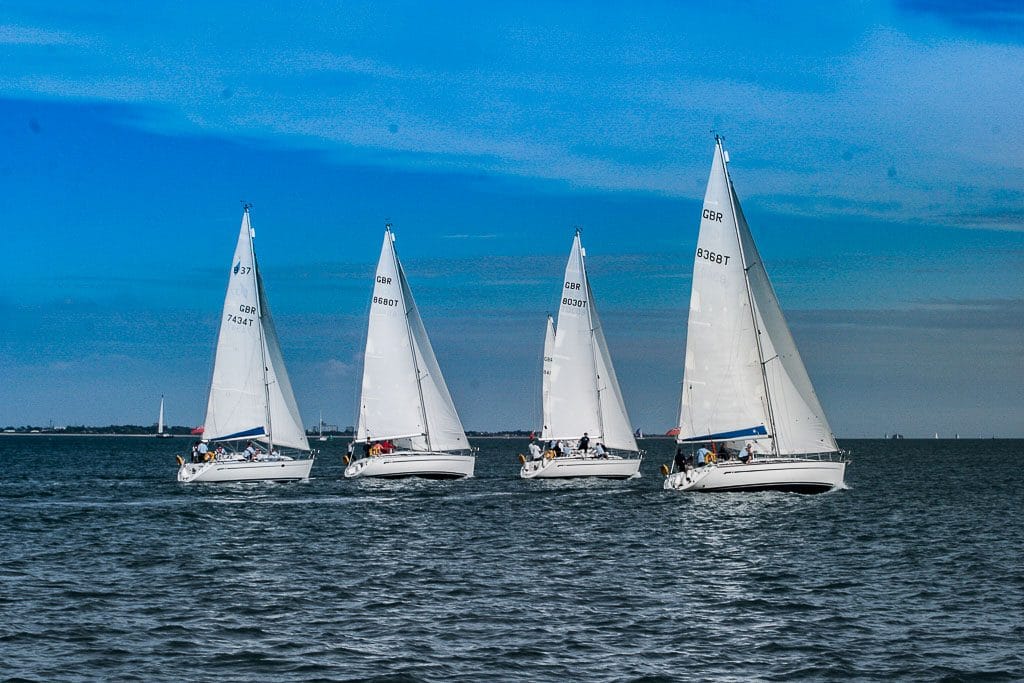
Getting the clothing right makes or breaks a sailing Solent September trip. The temperature range means you need layers, not a single heavy jacket. Start with a thermal base layer. Add a mid-layer fleece. Top with a waterproof breathable outer layer. You will peel off the fleece by midday and put it back on by late afternoon as the temperature drops with the sun.
September sea temperature means you should treat the water with respect. A 16°C splash can shock you if you are not prepared. We recommend a drysuit for RYA training in September, especially on the earlier courses at the start and end of the month. A wetsuit is fine for the warmer first half. Our school yachts carry full foul weather gear for students, but having your own well-fitting set makes a real difference to comfort over a full day on the water.
Footwear matters more than people think. Deck shoes with non-marking soles are essential. In September, they will get wet, so bring a spare pair of socks and change them at lunch. Nothing ruins a day like cold wet feet by 10am. Sun protection is still needed on sunny September days, and the reflection off the water is strong regardless of air temperature. Sunglasses with a strap, sunscreen, and a hat go in your bag every single day.
The key takeaway for anyone new to sailing Solent September conditions: cold is not the real problem. Damp is. The enemy is spray and sweat trapped under a non-breathable jacket. Invest in good technical gear and you will be comfortable all day. Cheap waterproofs leak at the neck and cuffs. On a September day with frequent showers, that leak turns into a cold trickle down your back within an hour. Buy decent gear or borrow ours.
Best routes for autumn sailing
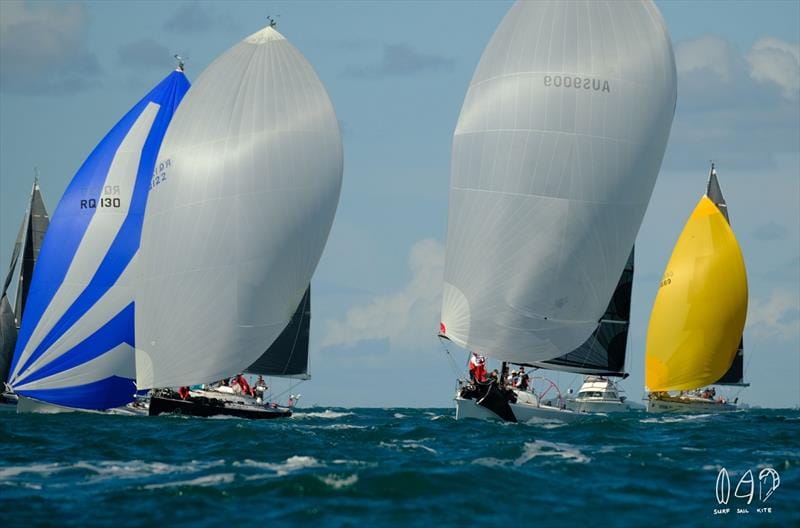
September opens up routes that can be a slog in summer when the wind dies and you end up motoring. For a day sail, head west from Gosport toward the Needles. The beat down the western Solent gives you a solid 15-mile sail in typical September winds. You can anchor in Alum Bay for lunch watching the chairlift, and then run back east on a broad reach with the wind behind you. This is one of the best day sails in the UK and it really shines in autumn conditions.
The eastern Solent offers different rewards. A passage from Portsmouth to Chichester Harbour takes you through the Looe Channel, past the Winner Bank, and into one of the most beautiful harbours on the south coast. The entrance dries at low water, so time it right with the tide tables. September’s moderate winds make this a manageable trip for Day Skipper students practising pilotage and chart work. The channel markers through the Winner are a lesson in themselves.
For longer passages, September is a good month for a cross-channel trip to Cherbourg or Alderney. The tidal gates work well with daylight hours. The passage takes 6-8 hours from the Solent depending on boat speed and tide timing. We run these longer passages in September as part of Coastal Skipper and Yachtmaster courses, giving students real offshore experience in genuine autumn conditions. There is nothing like your first night passage to cement the skills learned in a classroom.
Whatever route you choose, the Solent sailing area offers more variety per square mile than almost anywhere else in the UK. September’s settled weather makes it accessible to a wider range of sailors, from beginners on Competent Crew courses to experienced skippers brushing up ahead of winter. The combination of tides, navigation marks, and traffic makes every sail a practical exercise.
September courses at commodore yachting
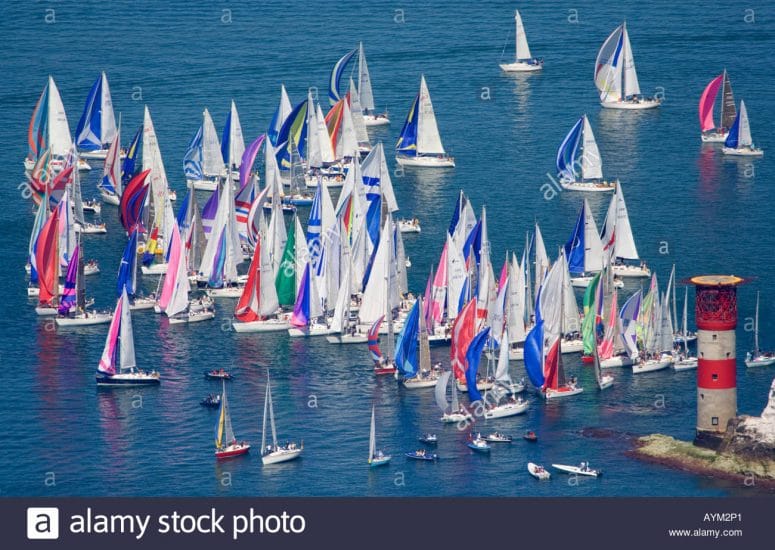
We run the full range of RYA courses through September, from RYA Day Skipper practical to Yachtmaster preparation. September is an ideal month to take a course because the conditions are challenging enough to teach real skills without being overwhelming. Students who train in September come away with more confidence than those who do the same course in high summer, because they have genuinely sailed in wind instead of ghosting along in a flat calm.
Our RYA sailing courses in September typically run with smaller groups. The summer rush is over, so you get more individual tuition from the instructor. The instructors themselves are fresher after the summer intensity, more patient, more focused. It is the perfect time to advance from Competent Crew to Day Skipper, or from Day Skipper to Coastal Skipper. The progression feels natural in September conditions.
Check our course calendar for available September dates. We recommend booking by end of July for September courses, as they fill up earlier each year as word spreads. The combination of good conditions, smaller groups, and lower prices makes sailing Solent September courses the best value of the year. You get peak season weather without peak season crowds or costs.
If you are unsure which course level is right, call us. We can match your experience against the September conditions and recommend the right path. The Solent in September is a proper classroom and the sailing speaks for itself. Whether you are starting from scratch or polishing skills before winter, there is a course that fits. All courses follow RYA training standards and are taught by qualified instructors.
Frequently asked questions
Is september a good time for sailing in the solent?
Yes. September is one of the best months for sailing Solent September conditions. The wind is more consistent than midsummer, the sea temperature is at its warmest, and the Solent is far less crowded than July and August. You get more actual sailing time and less time motoring.
Do i need a drysuit for sailing Solent september?
We recommend a drysuit, especially for early morning starts or later in the month. September sea temperatures are 16-18°C, which is manageable with good layers, but a drysuit keeps you dry through spray and rain. Our school yachts carry spares but having your own is better for fit and comfort.
What wind speed should i expect for sailing Solent september?
Typical September wind speeds in the Solent are force 3-5 from the southwest. Early in the month you may get lighter force 2-3 conditions. Mid to late September brings stronger Atlantic influence with force 4-6 possible. The Met Office inshore waters forecast is the most reliable source for day-specific predictions.
How much daylight is there for sailing Solent september trips?
At the start of September, roughly 13.5 hours of daylight. By the end of the month, it drops to about 11.5 hours. That is still plenty for a full day’s sailing. We recommend planning passages to finish before dusk, especially for less experienced crews. September evenings are cool but beautiful on the water.
What courses run in september at commodore yachting?
All RYA practical courses run through September including Competent Crew, Day Skipper, Coastal Skipper, and Yachtmaster prep. The course calendar has specific dates. September is also a good month for mile-building passages and private charters with an instructor on board.
How does september compare to summer for sailing Solent september?
September has more consistent wind and fewer boats on the water. The air temperature is lower but the sea is warmer. You get more variety in conditions, which makes it a better training environment. The main trade-off is shorter daylight, but you still have enough for a full day’s sailing. Most of our instructors prefer teaching in September over any summer month.
Can beginners sail in the Solent in september?
Absolutely. September conditions are perfect for beginners. The wind is steady without being intimidating. The Solent’s sheltered waters mean you are never far from safe harbour. Our Competent Crew courses in September give beginners a solid foundation in real conditions without the summer heat or winter chill.
This guide was written by Tom and Jonno, RYA Yachtmaster Instructors and joint owners of Commodore Yachting.