
If you are wondering about solo sailing UK legal requirements, you are not alone. It is one of the most common questions we get at Commodore Yachting. Do you need a licence? What qualifications are mandatory? Can you just take a boat out alone on a Sunday afternoon and go? The answers are less straightforward than most people expect. Understanding the solo sailing UK legal requirements that apply to your situation is the first step toward sailing alone safely and legally. This guide breaks down exactly what the law says, what the RYA recommends, and what you should have in place before you cast off single-handed. I have been teaching on the Solent for years, and I still meet experienced sailors who are unsure about the solo sailing UK legal requirements that apply to them. Let us fix that.
Can you sail alone in the uk?
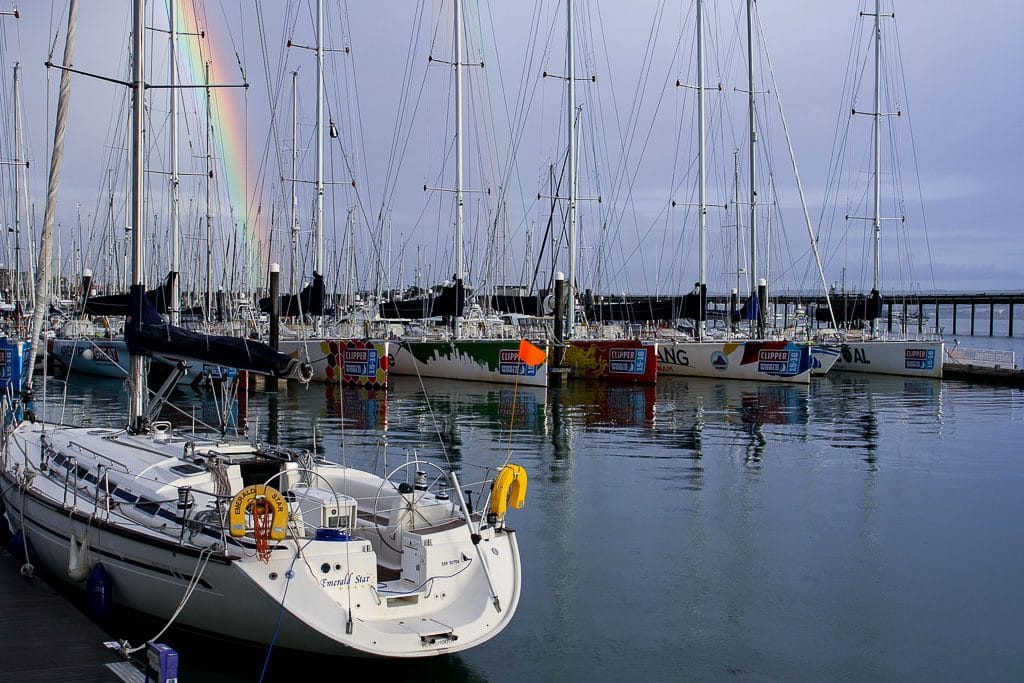
Yes, you can sail alone in UK waters. There is no law that says you must carry crew or hold a licence for leisure solo sailing. The solo sailing UK legal requirements for recreational sailors are minimal compared to commercial operations. You do not need a government-issued licence to helm a private yacht single-handed in British waters. That surprises most people. The solo sailing UK legal requirements are set out in merchant shipping legislation, but those rules apply to commercial vessels and coded charter boats, not to private leisure craft. If you own a 28-foot cruiser and want to take it out alone for a weekend, the law does not stop you.
That said, being legal and being safe are very different things. The solo sailing UK legal requirements that do exist focus on safety equipment, navigation, and the obligations every skipper carries under international collision regulations. You are still responsible for your vessel, your safety, and anyone who might need rescuing if things go wrong. The MCA publishes guidance on safety equipment and preparedness, and while much of it is advisory for leisure sailors, ignoring it is unwise. Every season we hear about solo sailors who assumed the rules did not apply to them.
If you plan to sail beyond UK territorial waters, the solo sailing UK legal requirements change. France requires a permit for certain vessel lengths and engine powers. Spain requires a specific radio operator qualification. The Netherlands has its own licensing system for inland waterways. Your RYA training covers these differences, but they are worth researching well before you leave. What is legal in the Solent may not be legal off Cherbourg.
Do you need a licence to sail in UK waters?
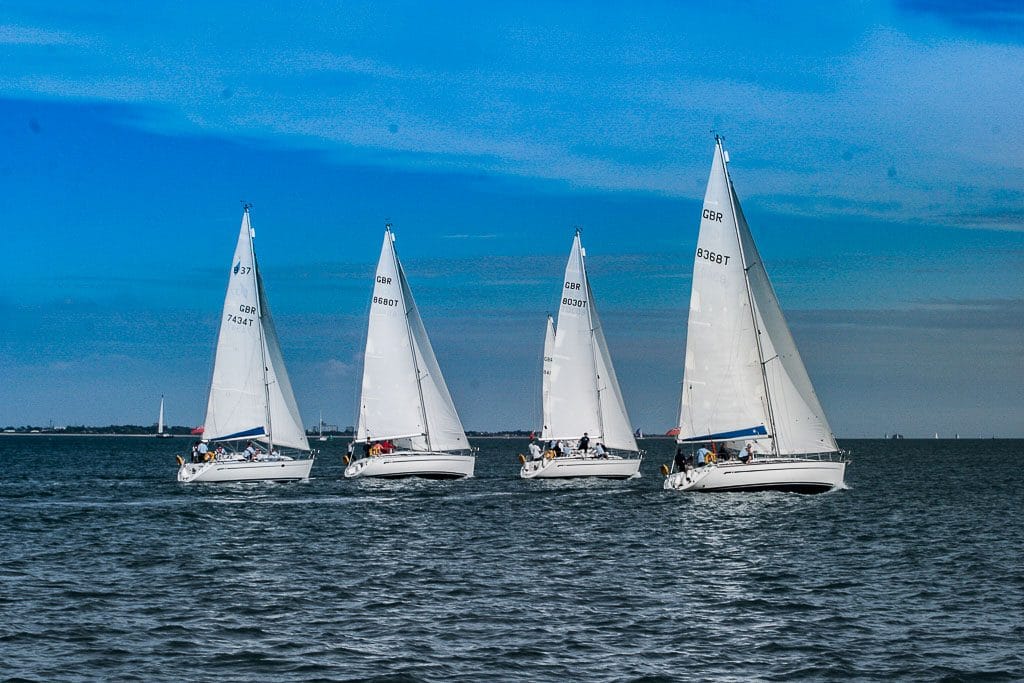
Nowhere in UK law does it say you must hold a licence to operate a leisure sailing vessel. The solo sailing UK legal requirements for licensing are straightforward: for private pleasure craft, none. That is the honest answer. But there are situations where qualifications become mandatory, and confusing those with the solo sailing UK legal requirements for leisure sailing is a common mistake. The moment you carry passengers commercially, charter your boat, or operate under a coded safety certificate, different rules apply. If you are sailing alone for leisure, you can cast off without any paperwork from the government.
What you do need is proof of ownership or registration if you cross international borders. The UK Small Ships Register is the simplest option for vessels under 24 metres. It costs around £50 for five years and gives you a registration document and a radio call sign. Not a legal requirement for domestic solo sailing, but essential if you plan to visit France, the Channel Islands, or anywhere outside UK waters. Without it, foreign port authorities can refuse entry or fine you. Several of our Day Skipper students have learned this the hard way during Solent crossings to Cherbourg or St Peter Port.
Your VHF radio licence is a separate matter. If you carry a marine VHF on board, you need a Ship Radio Licence (like a TV licence for the boat) and a personal operator certificate. The RYA Short Range Certificate is the minimum for using VHF in UK and European waters. It takes a day and covers radio procedures, DSC calling, and distress communications. Single-handing without a working VHF and the licence to use it is not just illegal , it is dangerous. When you are alone, the radio is your primary link to help and the only way to raise the alarm if things go wrong.
RYA qualifications for solo sailing
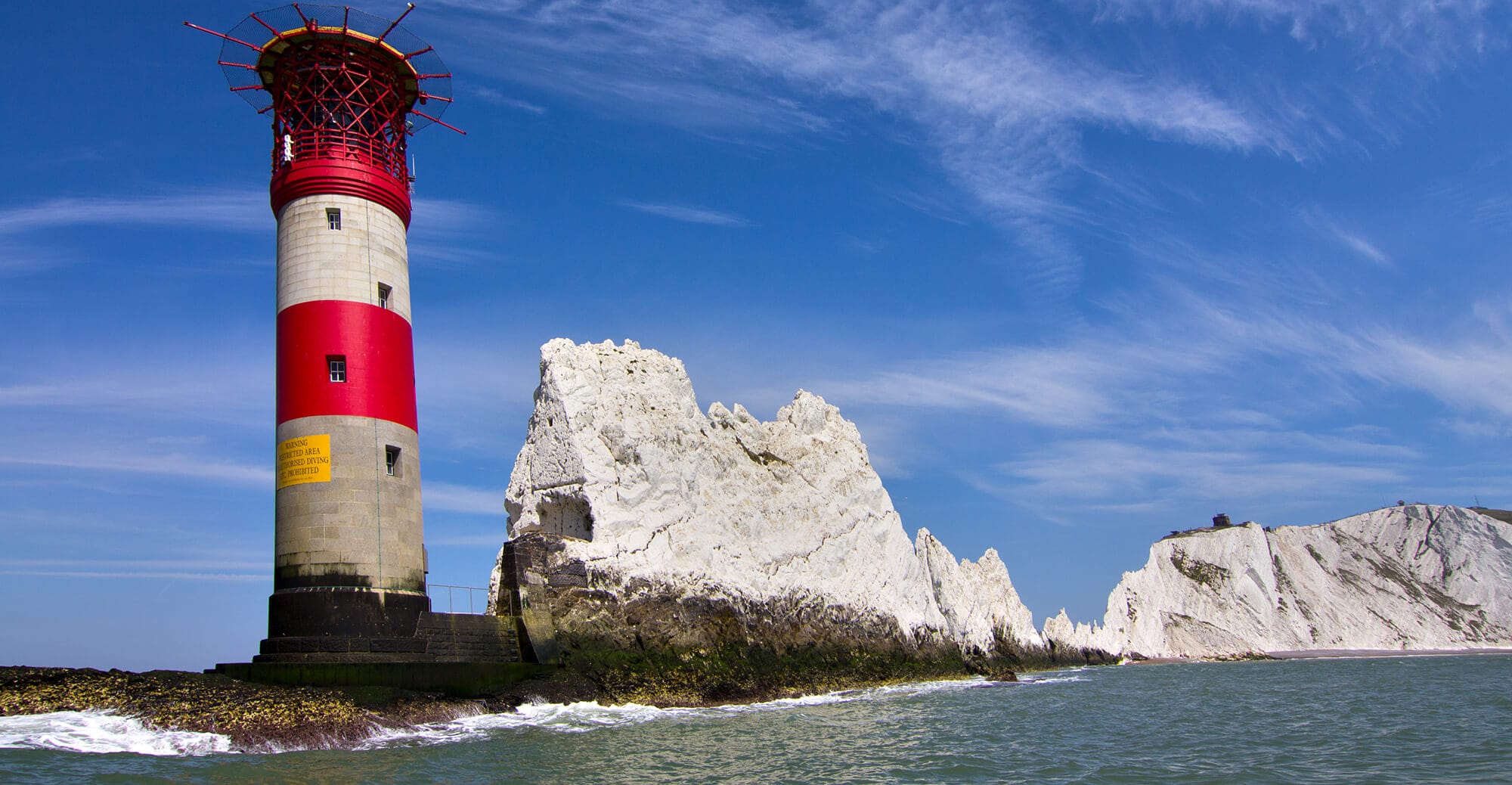
While there are no legal solo sailing UK legal requirements that demand an RYA qualification, the practical reality is different. Insurance companies, charter operators, and marina managers often require proof of competence before they let you take a boat out alone. The RYA Day Skipper course is the standard minimum qualification most insurers recognise for solo or short-handed sailing. Understanding the solo sailing UK legal requirements matters less than proving you can handle a boat under pressure, and the Day Skipper practical does exactly that.
The RYA Day Skipper practical course runs over five days liveaboard. You take command of the yacht under supervision, plan passages, handle mooring in different conditions, and make real decisions about tides and weather. It is the single best qualification for anyone moving toward solo sailing. Combine it with the online RYA Day Skipper theory course and you have a solid foundation for single-handed sailing anywhere in UK waters. The theory covers navigation, collision regulations, meteorology, and passage planning , all essential when you are the only person on board making decisions.
Beyond Day Skipper, Coastal Skipper and Yachtmaster go deeper into advanced navigation, night passages, and command responsibility. These are not required by law, but they make you a safer sailor and open up more opportunities. We run all these courses on the Solent, which is ideal for building the kind of tidal and coastal experience that matters at sea. Browse our full list of RYA sailing courses for more detail on each level.
Insurance requirements for solo sailors
Insurance is not part of the mandatory solo sailing UK legal requirements for private leisure craft. You are not legally required to insure your yacht in UK waters. But third party liability insurance is strongly recommended, and most marinas ask for proof before allowing berthing. The Solent has some of the busiest commercial shipping lanes in Europe, and a collision without insurance could be financially devastating. The practical solo sailing UK legal requirements around insurance come down to where you sail and what agreements you need to access facilities.
If you charter a yacht for solo sailing, the company will demand a certain qualification level and proof of insurance. Most UK charter operators require minimum RYA Day Skipper and third party cover of at least £2 million. Some ask for £3 million or more. Even if you own your boat, insurance providers will ask about your experience and qualifications. Holding RYA certificates can reduce your premium significantly. The solo sailing UK legal requirements may not mandate insurance, but the practical requirements of the sailing world certainly do. I have never met a solo sailor who regretted having good cover.
Safety equipment requirements
The MCA publishes a code of practice for small vessel safety, and while much of it targets commercial operators, the recommendations are good practice for any solo sailor. The solo sailing UK legal requirements for safety equipment on private leisure craft are governed by the Merchant Shipping Act and SOLAS conventions, but enforcement is light unless you operate commercially. That does not mean you should cut corners. When you are alone, every piece of safety gear is a potential lifeline, and the consequences of missing something are far more serious without crew to help.
At minimum: a lifejacket with crotch straps and spray hood, kill cord, jackstays and harness for leaving the cockpit, flares, fire extinguisher, first aid kit, anchor with chain, bilge pump, and a means of calling help. The solo sailing UK legal requirements under the Merchant Shipping Regulations do apply to all vessels regarding navigation lights, sound signals, and day shapes. Ignoring these is an offence, and the MCA can inspect any UK vessel at any time. We cover all of this on our practical courses because the habit of good safety practice starts in training.
A personal locator beacon or EPIRB is not legally required for leisure sailing in UK waters. But if you sail alone, it is the most important piece of kit you can carry. If you go overboard, nobody else is on deck to turn the boat around. A PLB registered with UK SAR authorities means rescue services can find you. The RNLI recommends every sailor carries one. We agree strongly. It costs a few hundred pounds and could save your life. Spend the money , it is cheaper than a funeral.
Planning a solo passage
Good passage planning is where the solo sailing UK legal requirements overlap with seamanship. Under SOLAS Chapter V, every skipper must plan a passage considering the vessel’s characteristics, weather, tidal streams, and hazards. This applies to all vessels, not just commercial ships. Whether you are skippering a superyacht or a 30-foot sloop alone, the regulation is the same. Meeting these solo sailing UK legal requirements means having up-to-date charts, knowing tidal gate times, and filing a passage plan with someone ashore.
For a solo sailor, the passage plan is your safety net. Leave a copy with a friend or family member stating departure time, route, ETA, and what to do if you do not arrive. I use a WhatsApp message with a screenshot of my planned route. The RNLI Safety+ scheme lets you log passage plans with them officially. It takes two minutes and means someone official knows where you are. The Solent sailing area is particularly demanding for solo passage planning because of its double high water, busy shipping lanes, and unpredictable conditions. Practice planning in a familiar area first.
Weather forecasting is another area where preparation matters. As a solo sailor you cannot rely on a crew member to check the forecast while you steer. Learn to interpret shipping forecasts, inshore waters forecasts, and weather apps before you head out alone. The Met Office shipping forecast is free and covers all UK waters. Make checking it part of your pre-departure routine, no matter how short the passage. A good rule is to check three different forecast sources and look for agreement before deciding to go.
Building up to solo sailing
If you are new to solo sailing, do not start with a cross-channel passage. Build up gradually. The solo sailing UK legal requirements will not stop you from taking a well-prepared boat out tomorrow, but your skill level might not be ready. Start with short day sails in familiar waters. Practice every manoeuvre until it is second nature. Mooring alone is different from mooring with crew. Picking up a buoy solo requires a different approach. Reefing under way when you cannot leave the helm takes practice. The solo sailing UK legal requirements for safety equipment matter most when something goes wrong, so test your gear before you need it.
Join a sailing club or take an RYA course. Competent Crew and Day Skipper are designed for exactly this progression. Many people who start on our courses go on to sail solo on the Solent within a year. Our RYA practical courses build skills in a structured environment before you head out alone. I see it every season , people who thought solo sailing was beyond them become confident single-handers after proper training. The solo sailing UK legal requirements give you the framework. Your training gives you the ability.
A few practical tips from experience: always tell someone where you are going. Carry a backup means of communication. Reef early rather than late. And never feel embarrassed about turning back if conditions are worse than forecast. The best solo sailors are the cautious ones who know when to stay in port.
Frequently asked questions
Do i need a licence to sail alone in the uk?
No, there is no legal requirement for a licence to operate a private leisure sailing vessel alone in UK waters. The solo sailing UK legal requirements do not mandate any formal qualification for recreational single-handed sailing. However, insurance policies and charter agreements often require RYA Day Skipper or equivalent experience, so qualification is practically necessary even if not legally required. Most people who sail regularly end up getting trained anyway because it makes them better sailors.
What are the solo sailing UK legal requirements for VHF radio?
You need a Ship Radio Licence for the vessel and an SRC operator licence to use marine VHF. This is one of the specific solo sailing UK legal requirements that applies to all vessels carrying radio equipment in UK waters, regardless of crew size. The RYA runs one-day SRC courses that cover DSC calling, distress procedures, and routine communications. The course is straightforward and the assessment is practical rather than academic.
Can i sail from the UK to France alone without paperwork?
Legally you need the vessel registered on the UK Small Ships Register and a valid passport. While the solo sailing UK legal requirements for domestic waters are minimal, international travel means complying with French port entry regulations. SSR registration takes about two weeks and costs around £50. You also need insurance that covers European waters and a valid VHF operator certificate if you carry a radio, which you almost certainly will.
Do the solo sailing UK legal requirements change for different boat sizes?
Vessels over 24 metres are subject to different rules under the Large Commercial Yacht Code. For most private pleasure craft under 24 metres operated for leisure, the legal requirements remain the same regardless of size. Larger vessels may need more safety equipment and different registration, but the core regulations are consistent across the leisure fleet. The main differences come from how you use the boat, not how big it is.
Is third party insurance mandatory for solo sailors?
No, there is no law requiring third party insurance for leisure craft in UK waters. The solo sailing UK legal requirements do not currently mandate insurance. However, most marinas require proof of third party cover before allowing berthing, and sailing without it is risky given the potential costs of a collision with a commercial vessel or another yacht. In practice, almost every sensible sailor carries it.
For further reading, the RYA training and courses page has the full syllabus for every qualification mentioned here. The MCA UK shipping notices contain the official legislation governing safety equipment, navigation, and vessel requirements in UK waters. Both are authoritative sources that we recommend every sailor bookmark and refer to before setting off on a solo passage.
About the author
This guide was written by Tom and Jonno, RYA Yachtmaster Instructors and joint owners of Commodore Yachting.


