
Winterising a yacht properly before the colder months is one of those jobs that separates careful owners from expensive repair bills. If you winterise boat Solent conditions need specific attention. The tidal range, salt spray, and winter gales here are different to what you would deal with in a sheltered marina further inland. This guide covers exactly how to winterise boat Solent yachts, from engine lay-up through to antifouling and spring recommissioning. We have been running yachts through Solent winters for over 30 years at Commodore Yachting, so we know what fails first. The process below is what we use to winterise boat Solent fleet of nine Bavaria yachts every October.
Why winterising matters in the Solent
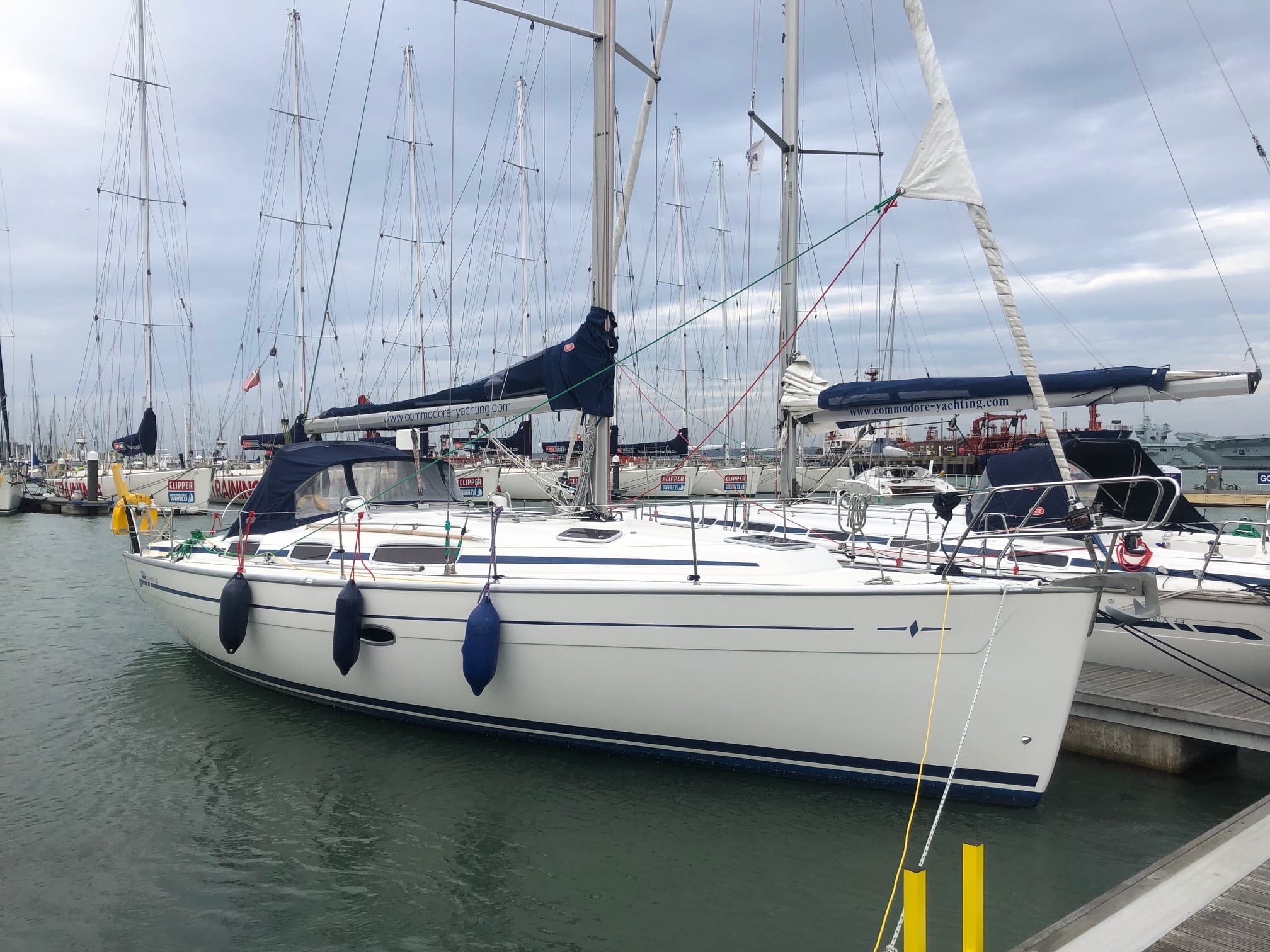
The Solent is a demanding environment for any yacht left standing over winter. Strong spring tides, frequent gales from the southwest, and the constant damp mean that if you winterise boat Solent incorrectly, you will pay for it in April. Frost damage to engines costs thousands. Mould in accommodation ruins interiors. Corroded electrics fail the moment you need them most.
I have seen boats winterised in a hurry come back to life with cracked heat exchangers, seized impellers, and water in the fuel. Every single one was preventable. The Solent does not forgive shortcuts. When you winterise boat Solent yachts, the tidal range matters because marina pontoons rise and fall over 5 metres twice a day. Your warps and fenders need to handle that movement without chafing or snapping. The damp means salt air gets into every electrical connection. The cold means any water left in pipes freezes and splits them.
At Commodore Yachting we begin our winterisation programme in late September. Each of our Bavaria 37s, 38s, and the 44-footer comes out of the water in rotation. By mid-November the whole fleet is laid up ashore or on careful pontoon moorings with full covers. The extra effort of doing it right is nothing compared to the cost of fixing a cracked engine block. That is why we have built a specific procedure to winterise boat Solent vessels properly, and we share it here so you can do the same.
Engine and systems lay-up
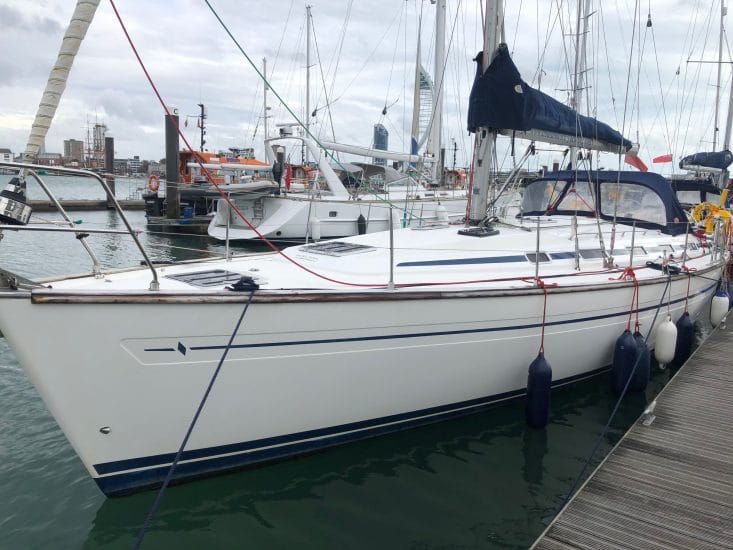
The engine is the most expensive single component on your yacht to replace. If you winterise boat Solent engines properly, they start first time in spring. If you rush it, you risk cracked blocks, seized pumps, and fuel contamination. Here is the step-by-step process we follow.
Change the oil and filter. Old engine oil contains acids and combustion byproducts that corrode internal components over winter. Run the engine up to operating temperature, then drain the oil while it is hot. Replace the filter, refill with fresh oil, run for five minutes to circulate, then shut down. This leaves clean oil protecting the internals for months. Every time we winterise boat Solent fleet engines, this is the first job.
Fog the engine. With the engine off, remove the air filter and spray fogging oil into the intake while cranking the engine over. This coats the cylinder walls, valves, and piston rings with a protective layer that prevents rust. Fogging is the single biggest difference between an engine that sits well and one that develops scoring on start-up. We use the same technique to winterise boat Solent engines in our training fleet and it has cut our spring commissioning time by half.
Drain the cooling system. Raw water cooled engines need their cooling system drained completely or filled with antifreeze. For fresh water cooled engines, check the coolant strength with a refractometer. It should protect down to at least -15°C. We lost a heat exchanger two winters ago to a blocked drain that left water in the system. It split when the temperature dropped to -6°C in January. A five minute check would have saved a £1,200 replacement.
Fuel system treatment. Diesel bug thrives in the water that condenses inside fuel tanks over winter. If you need to understand why this matters, read our detailed guide on diesel bug prevention and treatment. Fill the tank to near-full to minimise condensation space. Add a biocide treatment. Run the engine for ten minutes to circulate treated fuel through the injectors and return lines. Then change the primary fuel filter. The combination of a full tank, biocide, and a clean filter gives you the best chance of a bug-free spring.
Anodes and stern gear. Check the anode on the engine driveshaft and replace it if it is more than 50% worn. Inspect the propeller shaft seal for drips. Grease the shaft if your setup allows it. This is also a good time to check the cutlass bearing for play. We replace anodes every year when we winterise boat Solent fleet and have never had a shaft or propeller damaged by electrolysis.
Water systems and antifreeze
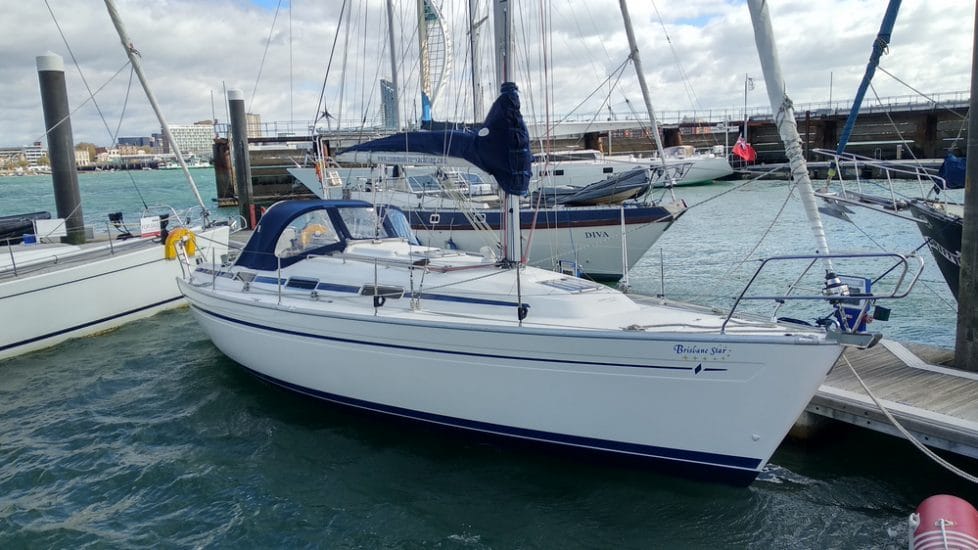
Fresh water freezing expands by roughly 9%. That is enough to crack a plastic pipe, split a calorifier, or destroy a pump. If you winterise boat Solent yachts without properly protecting the water system, the first sign of trouble comes when you turn on the tap in spring and water floods the bilge instead of the sink.
Drain the fresh water tanks. Open all taps, flush the heads several times, and drain the calorifier. Leave all taps open so air can circulate. Some owners blow compressed air through the system to clear the last drops from low points. We do this on every yacht we winterise boat Solent fleet-wide.
Pink antifreeze through the system. Pour potable antifreeze into the fresh water tank or use a hose to suck it through the galley tap while the system is running. Run each tap, the shower, and the deck wash until pink water comes out. Do not forget the transom shower if you have one. For the heads, pump antifreeze through until the seals are protected. Leave pink water in all traps and the toilet bowl. It keeps the seals from drying out and stops smells developing.
Calorifier and heating. Drain the calorifier completely or make sure the antifreeze in the central heating loop is strong enough. If you have a diesel heater, run it on high for 30 minutes to burn off any condensation in the combustion chamber. Then clean or replace the fuel filter on the heater supply. A heater that fails halfway through January because of a clogged filter is a miserable thing.
Bilge pumps. Clean the bilge thoroughly. Check both automatic and manual bilge pumps work. Pour a bucket of water in to test the float switch. A bilge pump that fails during a Solent winter, when rain and spray are constant, can sink your boat at the pontoon. We test every bilge pump when we winterise boat Solent fleet yachts. If a pump sounds laboured, we replace it.
Deck and hull preparation
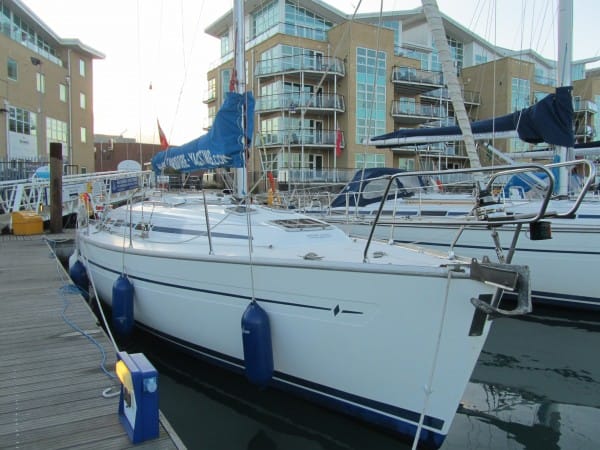
The hull takes the worst of the winter weather. If you winterise boat Solent yachts properly at the deck level, you prevent the most common spring headaches: blistered gelcoat, corroded fittings, and water ingress around deck hardware.
Antifouling. If you are lifting out for the winter, now is the time to antifoul. Pressure wash the hull while it is still wet from the lift-out. Scrape off any loose antifouling. Sand the areas where the old coating has flaked. Apply two coats of a suitable Solent-grade antifouling. The Solent waters are rich in nutrients, so you need a good quality eroding or self-polishing copolymer. Do not cheap out on this. Cheap antifouling costs more in fuel over the season when the growth clings on.
Anodes. Check the hull anodes. If you winterise boat Solent vessels on a drying mooring or on the hard, the anodes are not working over winter anyway, but you want fresh ones for spring. Replace any anode that is less than half its original size. We keep spare sets for each of our yachts and swap them during the winter lay-up.
Deck fittings. Inspect every deck fitting: stanchions, pulpit, pushpit, cleats, winches. Remove, clean, and grease winch mechanisms. Check the sealant around chainplate bolts and stanchion bases. Water that gets through these seals runs down inside the hull and causes rot in the deck core, which is expensive and hard to fix. Our detailed winter boat maintenance guide in the shed shows exactly how we do this for the whole fleet.
Thorough hull inspection. While the boat is out of the water, walk around the hull with a torch. Look for blisters, cracks, or impact damage. Check the rudder stock for play. Inspect the propeller for pitting or distortion. Check the P-bracket and cutlass bearing. This annual inspection has caught problems on our yachts that would have been invisible from the water. Every time we winterise boat Solent fleet boats, we do this walk-around and log the findings.
Winter storage options
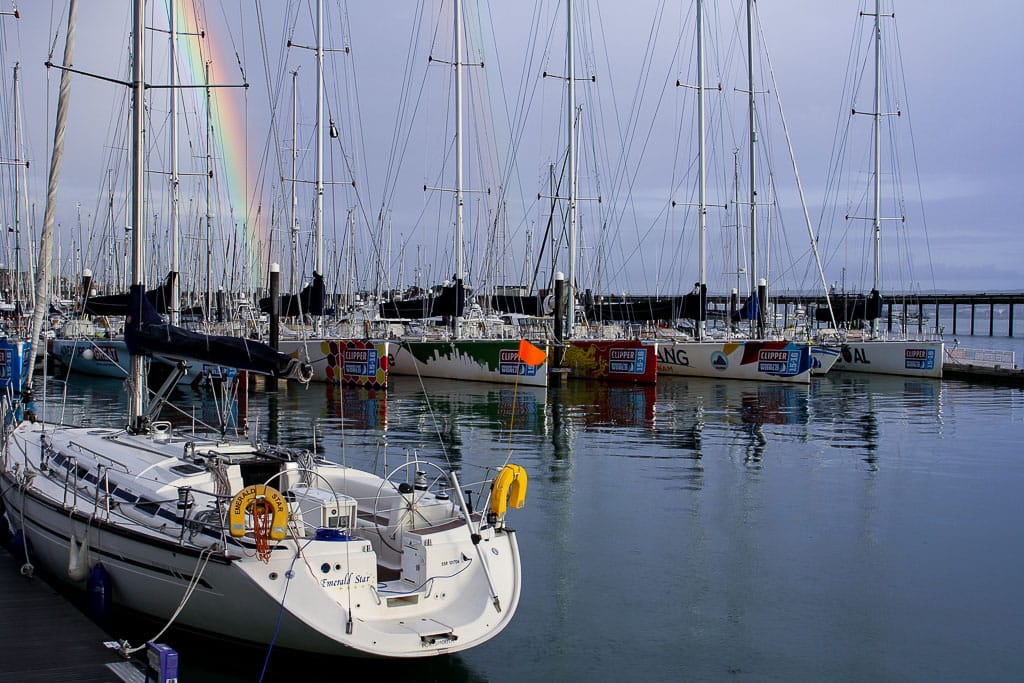
Where you keep your boat over winter is as important as how you prepare it. For Solent based yachts, you have three main options. Each has different implications for how you winterise boat Solent vessels.
On the hard standing. Lifting out and storing ashore is the safest option. The hull is out of the water, so no antifouling degradation, no electrolysis risk, no constant damp. The boat is stable. You can work on it any time. The downside is cost. A winter ashore at a Solent yard runs £1,500 to £3,000 depending on the size of the yacht and the yard. You also need to support the hull correctly. Use proper keel blocks and adjustable legs. Do not let the boat rest on the propeller or rudder. When we winterise boat Solent fleet boats ashore, we use cradles built for each hull shape.
On a pontoon with covers. Keeping the boat afloat is cheaper but harder on the gear. The hull stays wet, so antifouling continues to erode. The boat moves constantly, which chafes warps and fenders. Frost protection is critical because the boat is exposed to full winter temperatures. You need a good shore power connection for a dehumidifier and trickle charger. Many Solent marinas offer winter berthing from £2,000 to £4,000 for the season. If you choose this option, make sure you have a robust winter cover and that you check the boat every two weeks.
On a drying mooring. Some owners lay up on a drying mooring where the boat sits upright on the mud at low tide. This is the riskiest option. The hull gets battered by waves at each tide. Mud and stones can damage the gelcoat. The bilge needs to be spotless because any water in the bilge will freeze. We only recommend this for boats that are already on drying moorings during the season and built for it. Most production cruising yachts are not. If you choose this route to winterise boat Solent conditions demand extra vigilance with covers, anchors, and warps.
Whichever option you pick, the most important factor is ventilation. Trapped moisture destroys boats faster than frost. Leave all lockers, cupboards, and floor hatches open. Fit solar powered ventilators if you can. A boat that breathes over winter is a boat that survives well.
Sails, covers, and canvas
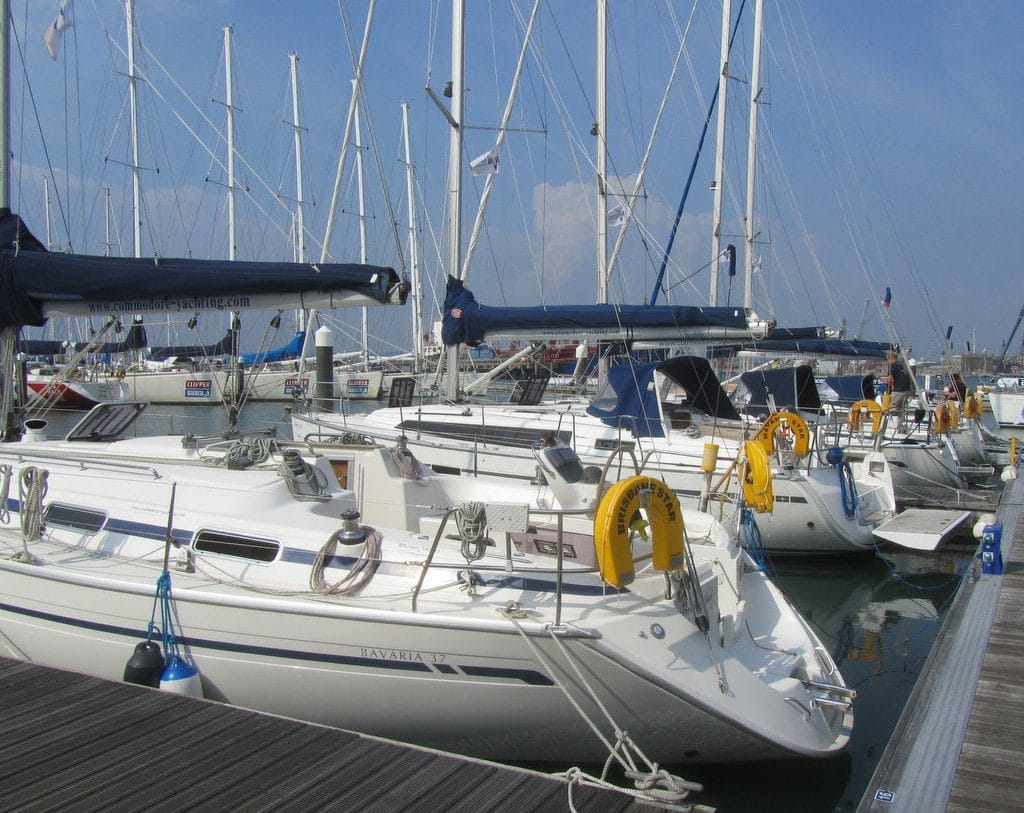
Sails and canvas work are expensive to replace. If you winterise boat Solent yachts without proper care for the textile components, you lose years of life from your sailcloth and covers.
Remove and store sails. Take down all sails. Fold or roll them loosely — never fold along the same crease lines repeatedly as this fatigues the cloth. Store them in a dry, ventilated space. We keep our fleet sails in a dedicated loft above the workshop at Gosport Marina. If you do not have that option, store them at home in a spare room or garage. Do not leave them in a damp shed or a car boot. Mildew sets in fast and is almost impossible to fully remove from Dacron. Canvas covers, sprayhoods, and sailbags should come off the boat too. Wash them with fresh water and mild soap before storage. Salt residue left on canvas absorbs moisture and causes the stitching to rot.
Inspect for damage. Winter is the time to repair sail damage, not spring when you are rushing to launch. Look for chafe at spreader patches, torn stitching on leech and foot tapes, and worn batten pockets. Mark each repair with a sticker or chalk. Send the mainsail and the most used headsail for professional servicing every second year. UV damage on the headsail cover is the most common repair we see. If the sacrificial strip on your genoa is fraying, winter is the time to replace it. Our team does this work over the quiet months when we winterise boat Solent fleet sails, and it means we start the season with everything ready.
Winter covers. A good winter cover is essential whether the boat is ashore or afloat. It should be breathable — never use tarpaulin directly on the boat as it traps condensation and the flapping chafes the gelcoat. Use a purpose-made yacht cover or a heavy duty polytarp with a breathable inner layer. The cover should extend below the toe rail and be tightly secured. We use a system of webbing straps and foam pads to prevent chafe at contact points. The cover must slope so rainwater runs off, not pools on top. A pool of water weighing 50kg on a cover can tear the fittings out of the deck and damage the sprayhood below.
Sprayhood and cockpit canopy. Remove these if possible and store them indoors. If they must stay on the boat, treat them with a UV protectant and ensure all zips and fastenings are clean and lubricated. A seized zip on a sprayhood is a nightmare to fix with cold fingers in March.
Spring recommissioning checklist

If you winterise boat Solent yachts properly in autumn, spring commissioning is straightforward instead of frantic. Here is the order we work through in March and April. Our clean boat hull summer checklist covers the full summer preparation in detail.
Week 1: Inspection and ventilation. Remove the cover on a dry day. Inspect the interior for mould, condensation, or leaks. Open all hatches and lockers. Run a dehumidifier for 24 hours before putting anything back onboard.
Week 2: Engine recommission. Check the oil level and coolant level. Fit a new impeller. Replace the fuel filter. Turn the engine over by hand first to check it is free. If you winterise boat Solent engines properly, it should spin freely. Prime the fuel system and start the engine. Let it reach operating temperature and check for leaks. Run the engine under load if possible — a session motoring around the harbour tests everything.
Week 3: Water system flush. Drain the pink antifreeze from the fresh water system. Flush twice with clean water. Fill the tank, run all taps, check for leaks. Flush the heads with fresh water and a holding tank treatment. Test the calorifier for hot water within five minutes of engine running.
Week 4: Deck and rigging. Refit sails and canvas. Inspect all rigging terminals for cracks or corrosion. Tension the rigging to the manufacturer specification. Lubricate winches. Check the gas system if you have one. Test the navigation lights. Check the VHF works. Make sure the lifejackets are in date and the flares have not expired. Test the EPIRB battery.
Week 5: Sea trial. Do a full sea trial in the Solent before your first charter or cruise. Test everything under way: engine at cruising RPM, autopilot, instruments, bilge pumps, heads, galley stove. If the boat has been ashore for months, check the seacocks open and close freely. Test the stern gland for drips. Sail for at least an hour to shake everything down. We do this with every yacht in our fleet and have caught steering cable slack, corroded electrical terminals, and a sticking throttle cable during spring sea trials. Issues found at the dock are cheap. Issues found at sea are not.
Frequently asked questions
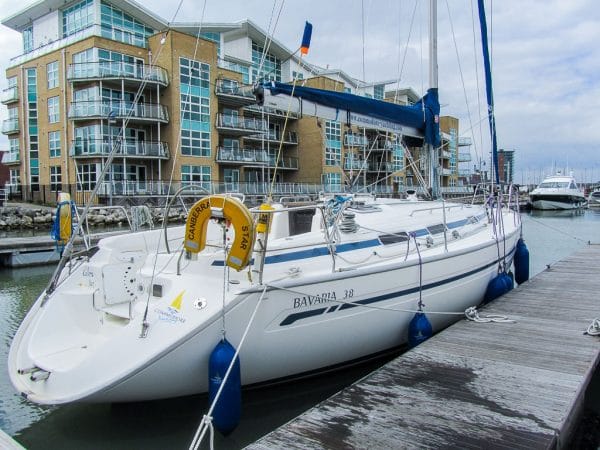
When should i winterise boat Solent yachts?
Start the process in late September. Complete the engine and water systems by the end of October. The first frosts in the Solent area typically arrive in November. Do not wait for the weather to turn before you start.
Can i leave my boat in the water over winter?
Yes. Many Solent owners keep boats afloat year-round. You need to be more thorough about antifouling, anodes, and covers. Check the boat every two weeks. A shore power connection for a battery charger and dehumidifier is highly recommended. If you winterise boat Solent yachts that stay afloat, pay extra attention to the stern gland and bilge pumps.
How much does it cost to winterise a boat in the solent?
For a typical 38ft yacht, budget £300 to £600 for winterisation materials: antifouling, filters, oil, antifreeze, fogging oil, grease, and cleaning supplies. Haul-out and ashore storage adds £1,500 to £3,000 for the winter. A new winter cover costs £400 to £1,200. Professional winterisation by a yard adds another £500 to £1,000. Totals range from £2,200 to £4,800 depending on your choices.
Do i need to remove the sails every winter?
Yes, if you can. UV damage is cumulative. A sail left on the boom through a Solent winter loses roughly 10% of its lifespan. If you cannot remove them, use a sail cover that completely shields the cloth from sunlight and keep the sail dry.
What is the most common winterisation mistake?
Not draining the engine cooling system properly. I see it every spring. A blocked drain, a forgotten pipe, or antifreeze that was too dilute. The result is always a cracked component and a bill over £1,000. Take the time to trace every cooling hose and confirm it is drained or filled with antifreeze. Double check the calorifier. Triple check the engine raw water intake hose.
Can i learn more about Solent yacht maintenance?
If you want to build your maintenance skills alongside your sailing ability, our RYA sailing courses include practical boat care as part of the syllabus. We also recommend the RYA training resources for technical courses on diesel engines, marine electrics, and first aid. The more you understand about how your boat works, the more confident you will be when something goes wrong three miles from shore.
This guide was written by Tom and Jonno, RYA Yachtmaster Instructors and joint owners of Commodore Yachting.


