
Solent vs mediterranean RYA training: choosing your destination
When weighing up Solent vs Mediterranean RYA training for your sailing certification, deciding where to train is one of the most important choices you’ll make. Your RYA certification location directly affects the quality of your learning and how your qualification is perceived by charter companies and insurers worldwide. The two most popular options are the Solent on the UK’s South Coast and various Mediterranean locations. Both offer excellent sailing, but they provide very different training experiences and outcomes. We’ve created this guide to help you decide which is right for you.
Why your RYA certification location matters
The RYA syllabus is standardised, but the environment where you train significantly impacts your learning and the value of your qualification. Tidal waters, weather conditions, traffic density, and port variety all contribute to the quality of your training experience. When you choose where to train for RYA certification, you are effectively choosing the conditions in which you will develop your seamanship skills, and those conditions shape your competence for years to come. A student who trains in challenging tidal waters will have broader practical experience than one who trains exclusively in calm, non-tidal conditions, regardless of the syllabus being identical.
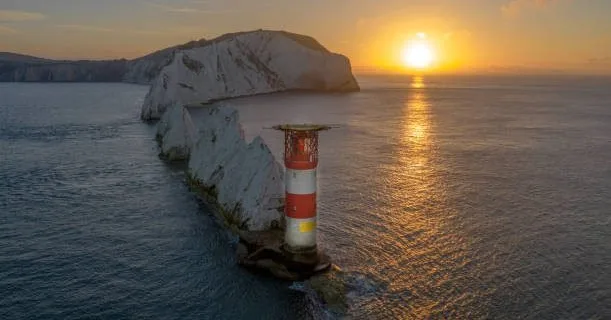
Training in the Solent
Challenging tidal conditions
The Solent has some of the strongest tidal streams in the UK, with spring tides reaching up to 4 knots. Learning to navigate these waters teaches you to calculate tidal heights and streams accurately, skills that transfer directly to any tidal sailing location worldwide. This is the essence of tidal sailing training UK students seek: real tidal calculations applied in real time. No simulator can replicate the experience of planning a passage through a tide race or arriving at a harbour entrance exactly at the right state of tide.
Busy shipping lanes
The Solent is one of the busiest recreational and commercial waterways in Europe. Training here means learning collision regulations in real conditions, with large commercial vessels, ferries, and other yachts to navigate around. This builds awareness and confidence that calm-water training cannot provide. Our Solent RYA courses routinely include encounters with commercial traffic, giving you practical experience of the International Regulations for Preventing Collisions at Sea (IRPCS) that classroom study alone cannot teach.
Diverse ports and harbours
During a typical course with us, you might visit Ocean Village, Hamble, Yarmouth, Cowes, Lymington, Chichester, and Portsmouth. Each port has its own entry procedures, tidal considerations, and berthing challenges, providing varied and comprehensive pilotage experience. You will med-moor in Yarmouth, pick up a visitors buoy in Newtown Creek, berth alongside in Portsmouth, and dry out alongside the hammerhead in Haslar. Each manoeuvre is different, and each builds a new dimension of competence.
Changeable weather
The Solent’s weather can change from calm to challenging in hours. Our students learn to interpret forecasts, make go/no-go decisions, and handle a range of wind conditions, all essential skipper skills. The ability to read a synoptic chart and decide whether to set sail or stay in port is something you can only learn through experience in a genuinely variable environment. Following a complete sailing career pathway that includes tidal training builds competence that stays with you for life.
Training in the mediterranean
Pleasant conditions
The Mediterranean offers consistent weather, warm temperatures, and generally calm seas. Training is comfortable and enjoyable, with less clothing and gear required. Many students find the relaxed environment ideal for building initial confidence, particularly if they are nervous about starting their sailing journey. The Mediterranean cruising grounds are beautiful, places like the Balearics, the Ionian, and the Dalmatian coast provide beautiful backdrops for a training holiday.
Limited tidal experience
Most Mediterranean sailing areas have minimal tides (often under 30cm). Students miss the experience of calculating tidal heights, navigating through tide races, and berthing in tidal marinas, skills that are essential for UK and worldwide certification recognition. If your RYA yacht training journey ultimately takes you to the UK, the English Channel, or any tidal destination, the lack of tidal experience from Mediterranean training can be a significant gap that requires additional courses to fill.
Lower industry recognition
Many UK and international yacht charter companies specifically require tidal water training for their skippers. An RYA Day Skipper completed in non-tidal waters may not be accepted by insurance companies for bareboat charter in tidal destinations. If you’re planning to gain your Day Skipper qualification, doing so in tidal waters gives you the widest recognition. This is one of the most frequently overlooked aspects of the Solent vs Mediterranean RYA training decision: your qualification has the same paper value, but its real-world currency differs dramatically depending on where you earned it.
Industry recognition: why solent training wins
RYA qualifications completed in tidal waters like the Solent are held in higher regard by:
- UK yacht charter companies (many require tidal training)
- International charter operators in tidal destinations
- Insurance companies assessing skipper competence
- Commercial maritime employers
A Solent-trained skipper has proven ability to handle real-world conditions, not just ideal-weather sailing. This reputation translates directly into more charter opportunities, lower insurance premiums, and greater confidence on the water wherever you choose to sail.
Training at commodore yachting in the Solent
Since 1999, we’ve been training sailors in the Solent from our base at Premier Gosport Marina. Our instructors are RYA-qualified Yachtmasters with decades of local knowledge. With small group sizes (maximum 4 students), you’ll receive personalised instruction and plenty of hands-on helm time in challenging, real-world conditions. Whether you’re starting with Competent Crew or advancing toward Yachtmaster, our courses build real competence you can trust. We also offer Day Skipper vs Coastal Skipper training options so you can choose the right level for your experience.
Solent vs mediterranean RYA training: which option is right for you?
Choose Solent training if you want the most respected qualification, plan to charter in tidal waters, are pursuing commercial certification, or want comprehensive all-weather experience. Choose Mediterranean training if you only plan to sail in non-tidal areas, prefer guaranteed good weather for your training week, or are combining training with a holiday. There is no wrong answer, but understanding your long term sailing goals is essential before deciding where to train for RYA certification.
Our recommendation
For students serious about sailing and seeking the most valuable qualification, Solent training is unmatched. The skills you develop in tidal waters, busy shipping lanes, and varied conditions will make you a more competent and confident skipper, recognised and respected wherever you choose to sail. If you are unsure how to choose the right RYA sailing course, our team can help match your experience level and ambitions to the perfect training pathway.
Detailed comparison: Solent vs mediterranean training
The Solent offers challenging tides up to 4 knots, busy shipping lanes, and variable conditions, it’s a proper test of seamanship. Sailors here learn tidal stream planning, collision avoidance, and real-world passage planning. Mediterranean training offers consistent weather, warm seas, and beautiful cruising grounds. Predictable conditions suit beginners who might find the Solent’s tides daunting initially. However, many students who choose Mediterranean training for its ease later find they need to return for tidal experience to unlock charter opportunities. When comparing Solent vs Mediterranean RYA training, consider not just the course experience but the doors each qualification opens. For UK and Northern European waters, Solent training is essential. For professional yachting, RYA qualifications are globally recognised, and training in tidal waters builds the confidence that employers notice. The RYA website has comprehensive information on training pathways.
Cost comparison
Training costs differ between locations. UK Solent courses typically range from £895 to £1,895 depending on the level, with all-inclusive packages covering accommodation, meals, and equipment. Mediterranean courses can appear cheaper initially, but often exclude accommodation, meals, and kit hire, adding £50–100 per day in extras. When you factor in travel costs, the overall investment is often comparable, making the quality of training the deciding factor.
About sailing with commodore yachting
We’ve been delivering RYA-accredited sailing courses from Gosport Marina on the Solent since 1999. Over the past 25+ years, our qualified instructors have trained thousands of students in the challenging tidal waters of the South Coast, building genuine sailing competence that transfers to any destination worldwide. The Solent offers one of the UK’s most rewarding sailing environments. Its complex tides, diverse ports of call, and changeable weather conditions create the perfect classroom. Navigating the shipping lanes near Portsmouth Harbour, picking up a mooring in Newtown Creek, planning a passage across to the Isle of Wight, every trip teaches lessons you simply cannot learn in calmer, non-tidal waters. Training here means your skills are tested in real conditions, making you a better, more confident sailor wherever you choose to cruise. We offer RYA sailing courses from Competent Crew through to Yachtmaster Fast Track. Our all-inclusive pricing covers tuition, accommodation on board our Bavaria yachts, all meals (full English breakfast, lunch, dinner), snacks and soft drinks, wet-weather gear and lifejacket hire, all safety equipment, and free marina berthing at Premier Marinas (worth £50–80 a night). Group sizes are capped at 5 students per course, ensuring you get proper one-to-one attention from your instructor. For a detailed breakdown of pricing, see our RYA course price guide for 2026.
Frequently asked questions
Q: Do I need previous experience? A: No. RYA Competent Crew is designed for complete beginners. You’ll learn everything on the course, sail handling, deck work, safety procedures, and living aboard a cruising yacht. Q: What type of yachts do you use? A: We maintain a modern fleet of Bavaria cruising yachts, 36 to 44 feet, fitted with the latest Raymarine navigation electronics and regularly serviced. Each yacht has multiple cabins, a galley, chart table, and full safety equipment including liferaft and EPIRB. Q: How many students per course? A: Maximum of 5. This gives you plenty of time at the helm and proper individual attention from your RYA-qualified instructor. Some schools pack 8 or more students onto a boat, we keep our groups small for a reason. Q: What’s included in the price? A: Everything. Tuition, accommodation, all meals, wet-weather gear, lifejackets, safety equipment, certificate, and marina berthing. No hidden extras. Many schools charge extra for food (£20–40/day), accommodation (£30–50/night), and kit hire (£15–25/day) — we don’t. Our prices are genuinely all-inclusive. Q: Can I do theory courses online? A: Yes. RYA Day Skipper Theory, Coastal Skipper Theory, and Yachtmaster Theory are all available online through Commodore Yachting. Work through them at your own pace and complete the practical course when you’re ready. Q: What happens after I qualify? A: You can build experience with our Mile Building weekends, charter yachts from our fleet (available to qualified sailors), or progress to the next RYA level. Many of our students return year after year for advanced courses and cruises. Q: Is Solent training harder than Mediterranean training? A: Yes, in the sense that tidal conditions, traffic density, and changeable weather demand more from students. But harder means better preparation, our students consistently tell us that the challenge made them more confident skippers. Q: Will a non-tidal Day Skipper be accepted in the UK? A: Many UK charter companies and insurers specifically require tidal training. A Day Skipper completed in non-tidal waters may not meet their minimum requirements for bareboat charter in tidal destinations.
Why the Solent is the uk’s best training ground
The Solent is widely regarded as the finest sailing training area in the United Kingdom. The stretch of water between mainland England and the Isle of Wight offers everything a sailor needs to develop genuine competence: strong tides that demand careful planning, busy shipping lanes that teach collision avoidance, a wide variety of ports and anchorages that build pilotage skills, and weather patterns that can change from flat calm to a solid Force 6 in a matter of hours. Sailors who train in the Solent develop skills that transfer anywhere in the world. The tidal planning you learn here prepares you for cruising the Channel Islands, the coast of Brittany, or the deep waters of the Atlantic. The IRPCS knowledge you practise daily in the Solent’s traffic keeps you safe in any shipping lane worldwide. The weather interpretation you master in these changeable conditions makes you a more confident and capable navigator wherever you sail. Our base at Gosport Marina puts you right in the middle of it all. Within minutes of casting off, you’re sailing in the Solent with Portsmouth Harbour, Spithead, and the approaches to the Isle of Wight all within easy reach. Gosport itself is well served by road and rail, and we recommend familiarising yourself with our joining instructions before your course starts.
Our fleet and facilities
Commodore Yachting operates a modern fleet of Bavaria cruising yachts, ranging from 36 to 44 feet in length. Our yachts are well-maintained and perfectly suited for tidal sailing training UK courses, with full navigation equipment to handle Solent conditions. Each yacht is fitted with Raymarine chart plotters, autopilot, VHF radio, and full safety equipment including liferaft, fire extinguishers, and EPIRB. Our yachts are serviced annually and undergo rigorous safety inspections. Recent upgrades include new sails from Hyde Sails, new sprayhoods and stack-packs from Tecsew in Lee-on-Solent, and engine upgrades including the latest Volvo Penta D1-30 engines. Our maintenance team works year-round to keep the fleet in peak condition. All lifejackets are serviced annually to manufacturers’ standards by factory-trained technicians. Our marina berths at Premier Gosport Marina give us direct access to the Solent and include free berthing for our students, a benefit worth £50–80 per night that most other schools don’t offer. In addition to our yachts, we provide full sets of Henri-Lloyd or similar quality wet-weather gear, Baltic automatic lifejackets with sprayhoods and lights, and all safety equipment free of charge. We also stock the boats with generous provisions, all meals, snacks, and soft drinks are included, so you can focus on sailing rather than worrying about catering.
About the author
This guide was written by Tom, RYA Yachtmaster Instructor and owner of Commodore Yachting. With over 15 years of Solent training experience, Tom has taught hundreds of students from complete beginners through to Yachtmaster level. Based at Premier Gosport Marina, our team is dedicated to providing the highest standard of RYA training on the South Coast. For official information on RYA training standards, course content, and certification pathways, visit the Royal Yachting Association website at rya.org.uk.
Get in touch
Ready to start your sailing journey? Contact the Commodore Yachting team on 023 9250 4443 or visit commodore-yachting.com to browse courses and book your place. You can also follow us on social media for the latest news, course availability, and special offers. Our friendly team will help you find the right course for your experience level and sailing ambitions, whether you’re a complete beginner or an experienced skipper looking to take the next step forward in your sailing career.


