
So you have your RYA certificates and you are wondering what comes next. The Competent Crew vs Day Skipper employers question comes up in our office constantly. After every course, someone asks which qualification will help them get work. The short answer is: both will, but in different ways.
What Competent Crew vs Day Skipper employers look for depends entirely on the role. A charter company looking for weekend crew wants different things than a delivery skipper hiring for a cross-channel trip. We train hundreds of students a year at Commodore Yachting on the Solent, and we talk to the people doing the hiring. Their answers about Competent Crew vs Day Skipper employers preferences are worth hearing before you book your next course.
This guide breaks down what each qualification means for your career, what salary you can expect, and how to make yourself hireable regardless of which certificate you hold.
Turning RYA qualifications into a career

Getting on the paid crew ladder is harder than it used to be. Ten years ago, a Competent Crew certificate and a bit of enthusiasm could land you a spot on a delivery or a summer season flotilla. Now the industry has more qualified people chasing the same positions, and Competent Crew vs Day Skipper employers have raised their minimums.
The RYA structures its practical courses as a progression: Competent Crew, then Day Skipper, then Coastal Skipper, then Yachtmaster. Each adds responsibility, navigation ability, and command experience. Employers know this progression. When they see a Day Skipper certificate, they assume a certain baseline of competence that a Competent Crew holder may not have had time to develop.
But here is the thing: a Day Skipper with 5 days of logged seatime looks weaker to many employers than a Competent Crew with 50 days of actual sea miles. The certificate matters less than what you actually did on the water. Competent Crew vs Day Skipper employers are looking at the whole picture: qualifications, miles, references, and attitude.
I have seen competent crew holders get hired over day skippers because they had better practical experience and a stronger reference from a previous skipper. I have also seen day skippers walk into paid roles immediately because they had the right combination of ticket and experience. There is no single answer, which is frustrating but also means you can shape your own path.
What employers expect from competent crew holders
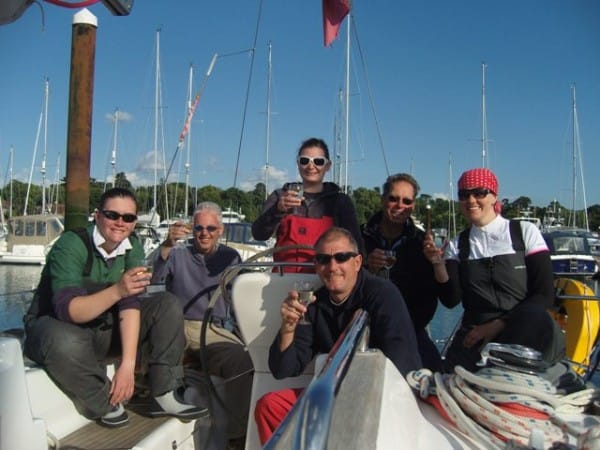
A Competent Crew certificate says you can be a useful member of a watch. It does not say you can navigate, make decisions under pressure, or manage a crew. Employers know this. They hire competent crew holders for roles where following instructions matters more than giving them.
Typical roles for Competent Crew holders, according to most Competent Crew vs Day Skipper employers, include:
- Delivery crew on coastal passages
- Flotilla crew during summer seasons in the Mediterranean or Croatia
- Weekend race crew for club or corporate events
- Deckhand on smaller charter vessels
- Bosun’s mate or assistant on superyacht support vessels
What Competent Crew vs Day Skipper employers notice at this level is reliability rather than advanced navigation or command experience. Competent Crew vs Day Skipper employers hiring for crew roles want someone who turns up on time, stays calm in a blow, and does not need constant supervision. Can you keep a night watch without falling asleep? Can you cook a meal in a galley at 25 degrees of heel? Can you handle a mooring line without losing fingers? These sound basic, but they are the skills that separate a competent crew member from someone who just passed the course.
The best way to make yourself useful as a Competent Crew holder is to get sea miles. Lots of them. Volunteer for deliveries. Offer to crew on weekends. Sign up for the Round the Island Race. Every mile you log makes the certificate worth more. When we place competent crew holders with local skippers, the ones who get repeat offers are the ones who show up early, stay quiet unless spoken to, and never complain about the weather.
What employers expect from day skipper holders

Day Skipper is the minimum qualification most professional skippers look for when hiring crew for anything beyond basic line-handling. A Day Skipper certificate tells employers you can plan a passage, use a chart plotter, understand tides and collision regulations, and take command of a vessel in fair conditions.
Roles that open up with a Day Skipper ticket:
- First mate or second hand on charter yachts
- Delivery skipper on shorter passages (under 60 miles)
- Lead crew on flotilla holidays
- Instructor assistant on shore-based courses
- Skipper on small charter vessels under 15 metres
What Competent Crew vs Day Skipper employers look for at this level shifts from "can you follow orders" to "can you give them." The key difference is decision making. When a squall hits at 0200 and the main needs reefing, the Day Skipper is expected to make the call without waking the skipper. Someone with only Competent Crew training is not expected to do that.
But a Day Skipper certificate without sea time is a red flag. Employers have told me they see plenty of candidates with the ticket and almost no practical experience. These get rejected in favour of competent crew holders who have done multiple deliveries. The certificate gets you an interview. The logbook gets you the job.
The Competent Crew vs Day Skipper employers dynamic here is nuanced. For some positions, a Day Skipper is mandatory (insurance policies often require it for anyone taking command). For others, the employer would rather take a competent crew holder with proven reliability. Understanding which roles require which ticket is the first step in planning your career.
Key differences in career prospects

The career path from Competent Crew is slower but more flexible. You can build experience across different boat types, skippers, and conditions without the pressure of command. The path from Day Skipper is faster but narrower; you are expected to perform at a higher level from day one.
Competent Crew holders typically spend 12-24 months building sea time before they are considered for paid roles that involve responsibility. During this period they build a network. Skippers remember reliable crew. When a paid position opens up, they call the people they trust, not the people with the best certificates.
Day Skipper holders can move into paid roles faster, sometimes immediately after the course, if they already have good sea time. The Day Skipper course itself includes navigation, passage planning, and skippering exercises that prepare you for command. Competent Crew vs Day Skipper employers know this and adjust their expectations accordingly.
Long term, the ceiling is higher with a Day Skipper because it is a stepping stone to Coastal Skipper and Yachtmaster. Most professional skipper roles require Yachtmaster Offshore or Ocean. You cannot get those without holding Day Skipper first. Competent Crew is not a prerequisite for Day Skipper in terms of course entry requirements, but in practice, most successful day skippers have either done the Competent Crew course or accumulated equivalent experience.
For career changers (people leaving office jobs to pursue sailing), I usually recommend going straight to Day Skipper if you can handle the intensity. The Competent Crew vs Day Skipper employers question for career changers is really about time and money. Day Skipper costs more and takes longer per course, but it accelerates the career transition by 6-12 months. Most Competent Crew vs Day Skipper employers I have spoken to would rather hire a career changer with a Day Skipper ticket and transferable management skills than one who only holds Competent Crew.
Salary expectations for each level
Let’s talk money. This is where Competent Crew vs Day Skipper employers diverge most clearly because the roles involve different levels of responsibility.
Competent Crew roles:
- Delivery crew: £50-£100 per day plus expenses. Mostly cash-in-hand, often just travel and food covered for the first few trips.
- Flotilla crew: £800-£1,500 per month during the season. Accommodation and food included. Tips can double this on busy weeks.
- Weekend race crew: £30-£60 per race day. Irregular but useful for building experience.
- Deckhand (charter): £1,200-£1,800 per month. Seasonal, May through September.
Day Skipper roles:
- Delivery skipper (coastal): £150-£250 per day. Typically 2-5 day passages.
- First mate (charter): £1,800-£2,800 per month. Year round in warmer climates, seasonal in the UK.
- Flotilla lead: £2,000-£3,500 per month. Higher responsibility, higher pay.
- Skipper (small charter): £2,500-£4,000 per month. Insurance requires minimum Day Skipper for most vessels under 20m.
The salary gap between Competent Crew vs Day Skipper employees is roughly 2:1 at entry level and grows as both progress. But the cost of training also differs. Day Skipper is around twice the price of Competent Crew. For someone planning a long sailing career, the return on investment for Day Skipper is clear. For someone who wants to crew occasionally and build miles slowly, Competent Crew offers better value. When Competent Crew vs Day Skipper employers evaluate candidates with similar sea time, the Day Skipper holder typically commands the higher rate for roles involving any command responsibility.
How to stand out to employers

Whether you hold Competent Crew or Day Skipper, certain traits make employers take notice. The Competent Crew vs Day Skipper employers factor is real, but it is not the only thing they care about.
Logbook depth. A logbook with 30 different entries across varied conditions beats one with 10 entries even if those 10 include a Day Skipper course. Employers flip to the logbook first. If it looks thin, the rest of the CV does not matter as much.
Engine familiarity. The single biggest gap I see in newly qualified sailors is an inability to troubleshoot basic engine problems. A sailboat without an engine is just an expensive rowing boat. If you can diagnose a blocked fuel filter, bleed the injectors, and change the impeller, you are instantly more hireable than 80% of candidates at your qualification level. This matters to Competent Crew vs Day Skipper employers equally. Whatever your certificate, being mechanically useful sets you apart from the crowd of applicants who can only sail.
Radio confidence. Being able to use the VHF without freezing up is rare. Do a short radio course. Learn the phonetic alphabet. Practice making a mayday call until it is automatic. Skippers notice this.
References from qualified skippers. One solid reference from a Yachtmaster or commercial skipper outweighs a dozen generic recommendations. The industry is small, especially on the Solent. People talk. A good reputation travels fast.
Navigation skills beyond GPS. Paper chart navigation is not optional. More than one skipper has told me they test candidates by asking them to plot a position fix using handbearing compass bearings. If you cannot do this, your Day Skipper certificate looks like it was papered.
We have seen students from our sailing courses go straight into paid positions because they demonstrated these skills during their training. The ones who treat their course as a job interview tend to get hired.
Building on your qualifications
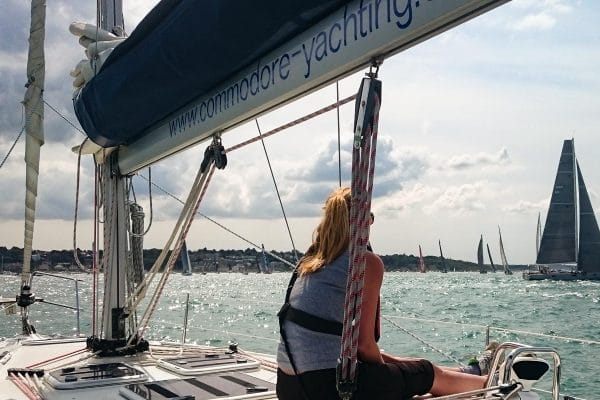
Whichever ticket you hold, the next step is the same: keep learning and keep logging miles.
For Competent Crew holders, the logical progression is to Day Skipper. You can do this as a weekend skills course if you already have navigation theory, or as a 5-day practical if you need the full package. The course builds directly on what you learned in Competent Crew and adds command responsibility. Most students who complete both are ready to skipper a yacht in fair conditions within 18 months of starting.
For Day Skipper holders, the next milestone is Coastal Skipper, then Yachtmaster Offshore. Coastal Skipper adds night navigation, advanced passage planning, and command in more demanding conditions. Yachtmaster Offshore is the professional benchmark, the qualification most commercial skippers hold. The journey from Day Skipper to Yachtmaster takes most people 2-5 years depending on how actively they sail.
There are also complementary qualifications that make you more hireable regardless of your primary certificate:
- VHF SRC (mandatory for radio use, takes one day)
- First Aid at Sea (required for commercial roles)
- Powerboat Level 2 (useful for tender driving and marina manoeuvres)
- Diesel Engine Maintenance (the course that makes you actually useful)
- STCW Basic Safety Training (required for superyacht and commercial work)
The Competent Crew vs Day Skipper employers picture changes as you add these qualifications. A competent crew holder with STCW, VHF, and diesel engine knowledge is often more hireable than a bare Day Skipper. It is the combination that counts. For Competent Crew vs Day Skipper employers hiring for specific roles, the person with broader supplementary training usually gets the nod regardless of which core certificate they hold.
If you are serious about a career on the water, look at our careers page to see what roles we currently have available or where former students have ended up. The industry needs good people, and the qualifications are just the starting point.
Frequently asked questions
Can i get a paid sailing job with only competent crew?
Yes, but the roles are limited to crew positions where you follow instructions rather than give them. Delivery crew, flotilla crew, and deckhand roles are all realistic options. Expect to start on lower pay and work your way up through sea miles and references. The key insight about Competent Crew vs Day Skipper employers at entry level is that reliability often beats qualifications.
What competent crew vs day skipper employers prefer
Most Competent Crew vs Day Skipper employers prefer Day Skipper for roles involving command or responsibility. For crew-only roles, they prefer the candidate with more sea miles regardless of certificate. The best answer is to hold Day Skipper and have extensive sea time.
How much sea time do i need before employers take me seriously?
For Competent Crew holders aiming for paid crew roles, 20-30 days of logged sea time is a solid start. For Day Skipper holders aiming for mate or skipper roles, 50+ days with at least 5 different skippers and varied conditions is the minimum that gets Competent Crew vs Day Skipper employers interested. The more varied your logbook, the better your chances with either qualification.
Is it worth doing competent crew if i eventually want day skipper?
Yes. The Competent Crew vs Day Skipper employers dynamic rewards thorough training. Competent Crew gives you a foundation that makes Day Skipper much stronger. Students who skip Competent Crew often struggle with basic boat handling during the Day Skipper course, which limits how much they learn.
Do i need Yachtmaster to work commercially?
For most commercial skipper roles, yes. Insurance requirements typically demand Yachtmaster Offshore or equivalent. But you cannot get to Yachtmaster without going through Competent Crew and Day Skipper first. The progression is sequential for a reason.
What non-sailing skills help with getting hired?
Cooking, mechanics, electrical knowledge, and foreign languages. A competent crew member who can cook proper meals is worth their weight in any galley. A day skipper who speaks French, Spanish, or Greek is far more valuable in Mediterranean charter zones. Competent Crew vs Day Skipper employers notice these extras. The more you bring beyond your ticket, the harder it is for Competent Crew vs Day Skipper employers to say no to you.
How do i find my first paid sailing job?
Network at marinas. Volunteer for deliveries. Join sailing clubs. Register with crew agencies like Crewseekers or YPI Crew. Post on Facebook sailing groups. Most first paid roles come through personal connections, so get yourself known in your local sailing community.
The external resources available through the RYA training hub can help you understand what qualifications you need for specific career paths. Use it alongside local networking for the best results.
This guide was written by Tom and Jonno, RYA Yachtmaster Instructors and joint owners of Commodore Yachting.


